

The Canadian Plumbing Code is a set of regulations that govern the installation, design, and maintenance of plumbing systems in Canada. It sets the minimum standards for the quality and safety of plumbing systems used in both residential and commercial buildings. However, many homeowners and business owners are often unaware of the code’s requirements and the implications of non-compliance. In this article, we will provide an overview of the Canadian Plumbing Code, what it means for you, and what you need to know to ensure your plumbing system is up to code.
What is the Canadian Plumbing Code?
The Canadian Plumbing Code (CPC) is a nationally recognized set of regulations that outlines the minimum requirements for the design, installation, and maintenance of plumbing systems in Canada. It is part of the National Building Code of Canada, which is updated every five years to reflect changes in the field of plumbing and building construction.

The latest edition of the CPC, released in 2015, includes guidelines for various plumbing systems such as drainage, venting, and water supply. It also covers the installation of appliances, such as water heaters and toilets, and the design of plumbing systems in buildings of all sizes and types.
Why is the Canadian Plumbing Code important?
The CPC is important because it helps ensure that plumbing systems in Canada are safe and functional. Compliance with the CPC is mandatory for anyone who installs, designs, or maintains plumbing systems in Canada. By following the guidelines set out in the CPC, we can ensure that plumbing systems are installed and maintained to a high standard and are capable of performing their intended functions, including waste removal and water supply.
What are the key elements of the Canadian Plumbing Code?
The key elements of the CPC include the requirements for the installation of plumbing systems, the materials and equipment used for plumbing, and the maintenance and repair of plumbing systems.
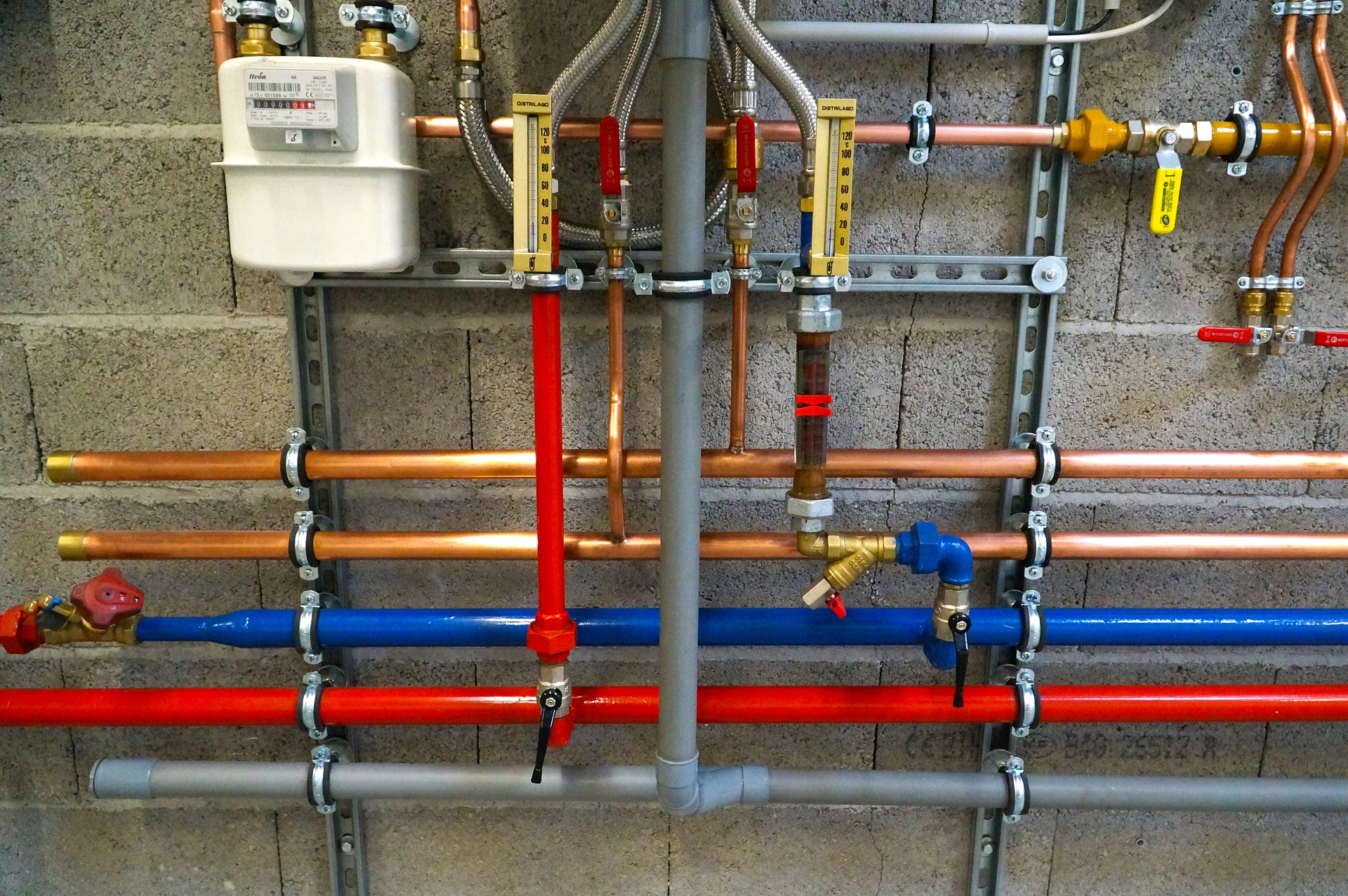
Installation requirements: The CPC sets out the requirements for the installation of plumbing systems, including the sizing and layout of pipes, the number of fixtures allowed per drain, and the type of ventilation required for each fixture. It also sets out guidelines for the installation of appliances, such as water heaters, dishwashers, and toilets.
Materials and Equipment: The CPC lists the materials and equipment that can be used for plumbing systems. These materials must meet certain standards to ensure they are safe and effective. For example, copper pipes used for water supply must meet the Canadian Standards Association (CSA) B88-14 standard, while PVC pipes used for drainage must meet the CSA B182.1-17 standard.
Maintenance and Repair: The CPC also specifies the requirements for the maintenance and repair of plumbing systems. This includes regular inspections, testing of backflow preventers, and the repair of leaks and other issues that may arise.
How does the Canadian Plumbing Code impact homeowners and business owners?
Homeowners and business owners who are planning to have plumbing work done need to be aware of the CPC and its requirements. It is important to ensure that the plumber or contractor hired for the job is familiar with the CPC and follows its guidelines. Failure to comply with the CPC can result in fines and legal action, as well as potential health and safety risks for occupants of the building.
For example, if a homeowner hires a plumber to install a water heater, the plumber must ensure that the installation complies with the CPC guidelines for the type of water heater being installed. Failure to comply can result in a dangerous situation, such as a gas leak or carbon monoxide poisoning.
Business owners also need to be aware of the CPC when constructing or renovating a commercial building. Compliance with the CPC is mandatory for all types of buildings, including commercial, industrial, and institutional. Failure to comply can result in fines, costly repairs, and potential loss of business.
The Canadian Plumbing Code is an important set of regulations that ensures the safety and effectiveness of plumbing systems in Canada. Compliance with the CPC is mandatory for anyone involved in the installation, design, or maintenance of plumbing systems. Homeowners and business owners need to be aware of the CPC and its requirements to ensure the safety and functionality of their plumbing systems. By following the guidelines set out in the CPC and working with a qualified plumber or contractor, we can ensure that our plumbing systems are up to code and capable of performing their intended functions. For all your plumbing needs, visit aceplumbingrepair.com or call (844) 711-1590 to speak to our expert plumbing team.


 Call Now