
As the world slowly embraces the new normal, most people are still working from home, reducing the need for daily commutes. This situation has had a significant impact on the plumbing system of households. Home plumbing systems that used to operate for basic daily routines are now being overburdened with greater usage. This increased demand has seen plumbing needs shift from just basic plumbing issues like clogged sinks, leaky faucets to more comprehensive plumbing needs, necessitating the separation of business and home plumbing needs. This article explores how homeowners can separate their plumbing needs and understand why a separation between business and home plumbing is essential.
Separation of Business and Home Plumbing Needs
Separating your business and home plumbing needs means that any plumbing requirements in your office or commercial property are considered separate from your home plumbing system. In most cases, homeowners tend to think that their house plumbing system can handle all kinds of situations, including their business needs. However, this can lead to overburdening your home plumbing system, resulting in frequent breakdowns and high repair costs.
Why Separating Plumbing Needs is Crucial
One of the key reasons for separating plumbing needs is to avoid overburdening the home plumbing system. For example, commercial properties often have higher water consumption needs compared to residential homes. This increased usage can place excess pressure, leading to frequent system breakdowns.
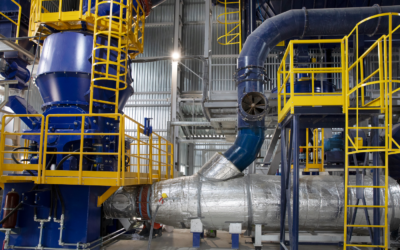
Additionally, commercial buildings also have larger plumbing systems, which require a unique set of tools and expertise to troubleshooting. Separating your home plumbing system from your business needs not only avoids overburdening your system, but also guarantees that all your plumbing services are conducted by professionals with adequate knowledge on the unique intricacies of commercial plumbing systems.
How to Separate Business and Home Plumbing Needs
The first step towards separating business and home plumbing needs is identifying the needs of each unit. Understanding what each entity requires in terms of water consumption needs, plumbing fixtures, piping, and drainage needs will facilitate the selection of the best plumbing services needed.
Once you have identified your unique plumbing needs, you can take the following steps towards separating your home and business plumbing needs:
1. Hire a Professional Plumbing Company
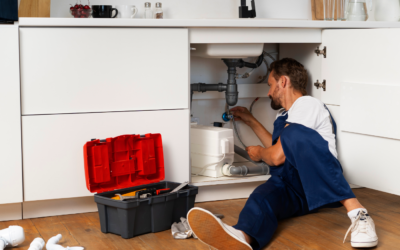
Hiring a professional plumbing company is an essential step towards ensuring that your plumbing needs are adequately catered for. Such a company has the expertise and equipment to handle all manner of plumbing needs, regardless of the size or nature.
2. Install Separate Plumbing Systems
Creating separate plumbing systems is an effective way of separating your home and business plumbing needs. This means that your commercial property drains and fixtures are separate from the home plumbing system, avoiding overburdening and breakdowns.
3. Schedule Regular Plumbing Maintenance
Frequent maintenance of your plumbing system is critical in ensuring it runs, and it is essential to conduct regular maintenance on both your home and business plumbing systems. Regular maintenance helps to identify any faults or leakages early, facilitating timely repairs, and avoiding costly repairs or replacements.
Common Plumbing Issues That Require a Separation of Business and Home Plumbing Needs
Some of the common plumbing issues that require the separation of business and home plumbing needs include the following:
1. Frequent Drain Clogs
If you experience clogged commercial property drains frequently, it may indicate that there is a need for separation of business and home plumbing needs.
2. High Water Consumption Bills
If you experience higher than normal water consumption bills, it might indicate that you are overusing, overburdening, or that your plumbing system is faulty.
3. Decreased Water Pressure
A decrease in water pressure is a common sign of a faulty plumbing system. Homes and businesses each have distinct plumbing systems that cater to their respective needs, and such issues can be addressed through proper understanding and separation of the plumbing entities.
Conclusion
The importance of separating your business and home plumbing needs cannot be overstated. As homeowners and businesses embrace the new normal, the increased demand on plumbing systems will likely lead to frequent breakdowns, thereby increasing repair costs. Therefore, it is imperative to separate your plumbing systems to avoid overburdening, optimize your plumbing system usage, and reduce the overall cost of repair and maintenance. This can be achieved by hiring a professional plumbing company, installing separate plumbing systems, and scheduling regular maintenance. Ultimately, separating your business and home plumbing needs guarantees that you receive adequate plumbing services that cater to each entity’s unique needs. Don’t hesitate; invest in separating your business and your home plumbing needs today.

 Call Now