
Preparing for the Michigan Journeyman Practical Plumbing Exam
Becoming a licensed plumbing professional in Michigan requires passing the Journeyman Practical Plumbing exam. The exam measures the ability to install, maintain and repair plumbing systems in accordance with code regulations. This exam covers a wide array of skills, testing applicants in everything from drainage systems to fixture installation. To help you prepare for this exam, we’ve put together a guide to the exam and some tips to help you pass.
Components of the Exam
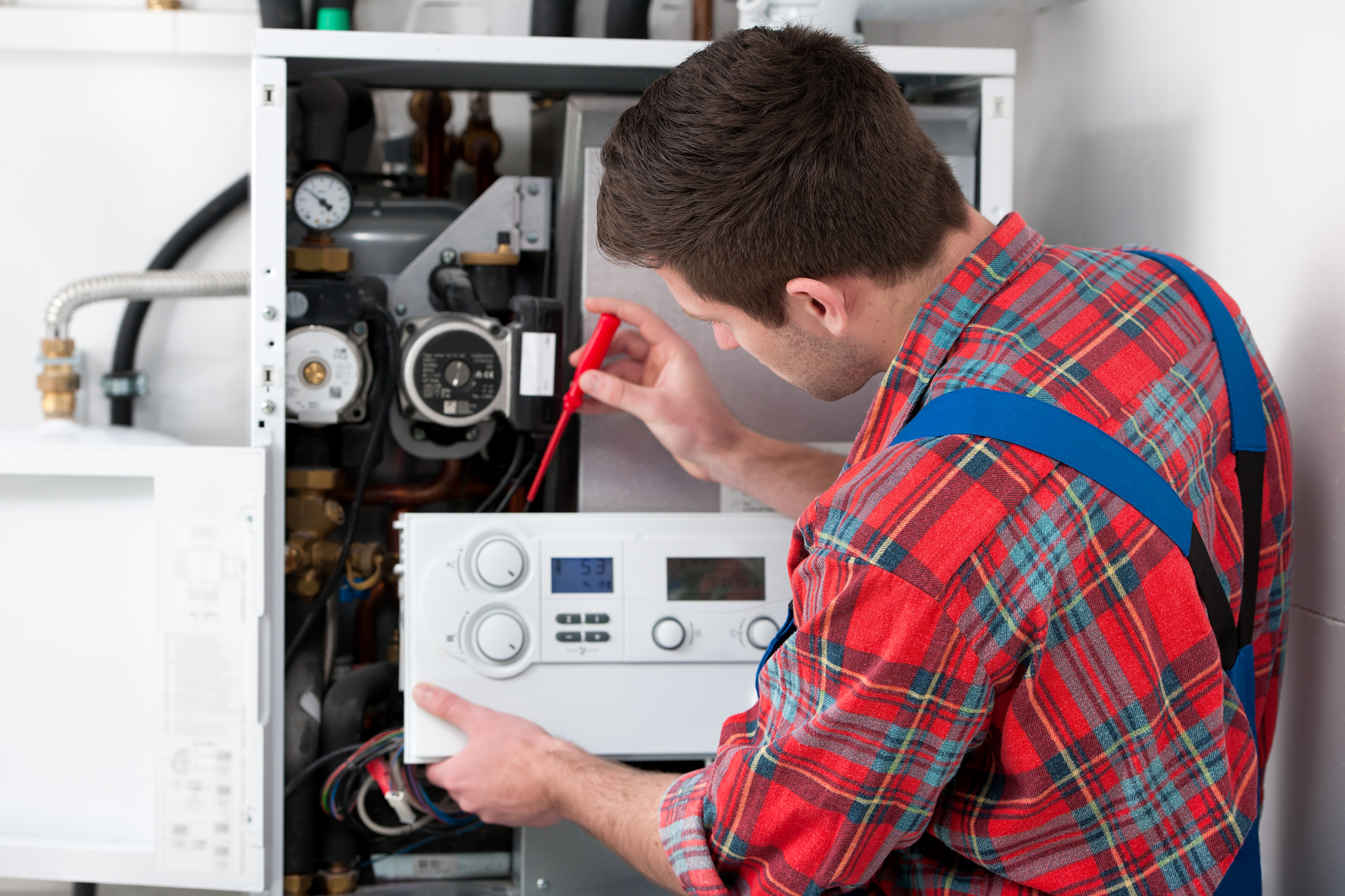
The Journeyman Practical Plumbing exam consists of a written section, practical section, and journeyperson safety training (JST). The written section evaluates the applicant’s knowledge of plumbing theory, national and state plumbing codes, and safety regulations. The practical section measures the ability to install, maintain and repair plumbing systems, including copper and plastic piping, drainage systems, water heaters, and gas systems. The JST aims to provide safe and risk-free practices for plumbing professionals, ensuring they understand the proper safety protocols when working with plumbing systems.
To pass the exam, an overall score of 70% or higher is required. Applicants who score below the minimum passing score on any section of the test may retake that section independently. However, if the applicant fails the entire exam, he or she will be required to retake the entire exam.
Preparing for the Exam
It’s essential to fully understand the content being tested to get the best possible results on the exam. The first step in preparing for the exam is reviewing the Michigan Plumbing Code, which outlines the minimum standards for plumbing systems within the state. The next step would be to review the reference materials allowed during the exam, which will include the code book, manufacturer’s instructions, and other materials specified by the state. Becoming familiar with these resources will allow you to look up any information that you may not remember, reducing the likelihood of errors during the test.
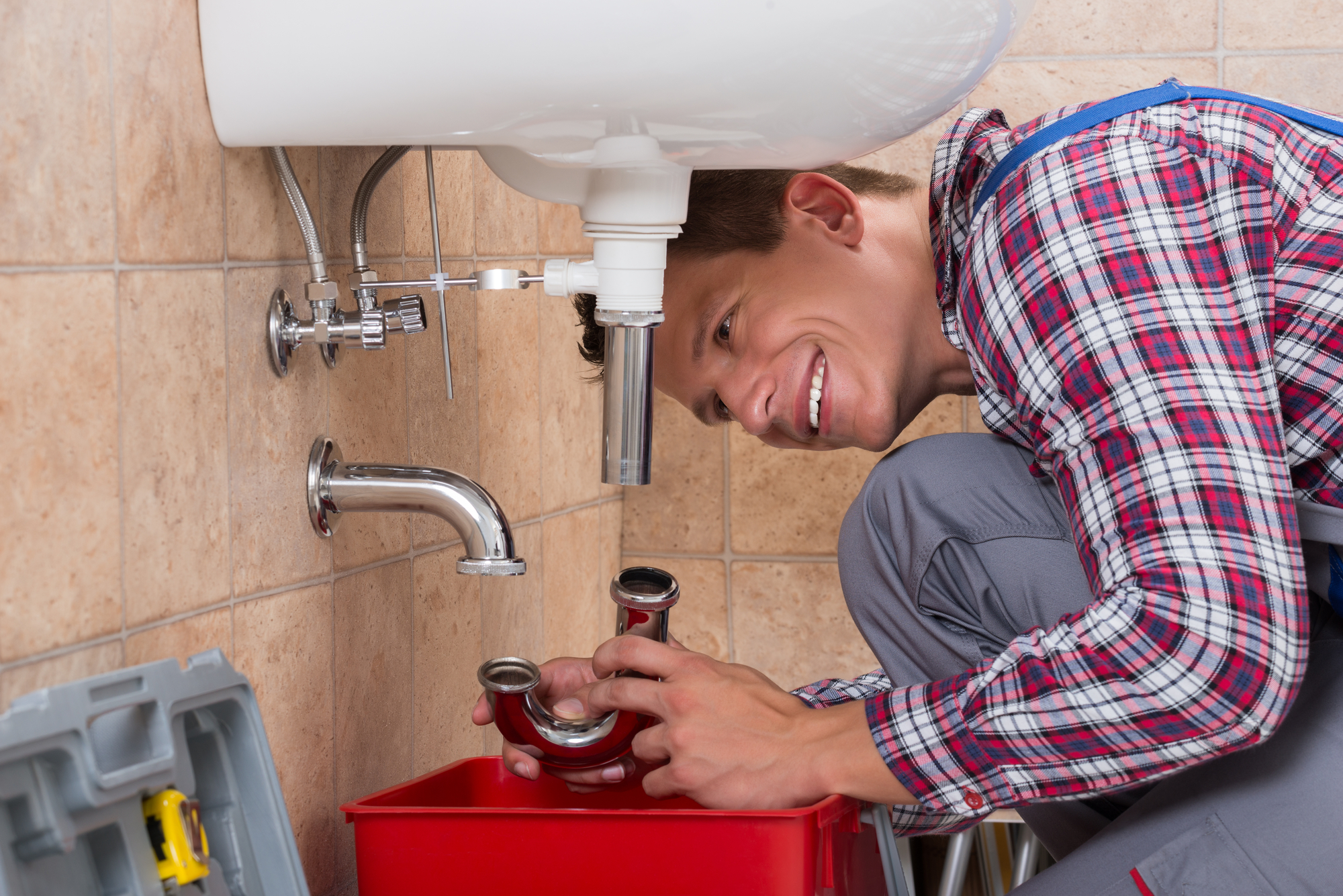
In addition to reviewing reference materials, it’s important to practice the hands-on skills tested during the exam. Some critical skills to brush up on include safety protocols when working with plumbing systems, copper and plastic piping, drainage systems, water heaters and gas systems along with fixture installation. As with any hands-on skill, repetition is key. Practicing regularly, even for short periods, will help keep the skills fresh in your mind.
Tips for Passing the Exam
1. Arrive Early: Arrive at the exam location early to allow time for check-in and to get mentally prepared.
2. Take your time:during the written section, make sure to read each question carefully and thoughtfully, fully understanding the material before choosing an answer.
3. Follow Instructions: adhere to instructions of each section of the exam, paying close attention to the time limit.
4. Practice: utilize practice exams or sample questions to prepare.
5. Be Confident: approach the exam not only fully prepared, but with confidence in your abilities as a trained and experienced plumber.
Conclusion
Becoming a licensed plumbing professional in Michigan requires passing the Journeyman Practical Plumbing exam. The exam is no easy task, but by preparing and studying the materials, you will give yourself the best chance to succeed. Focus on studying and refreshing your knowledge of the materials and taking your time during the exam. Review any mistakes and study again accordingly. Keeping up-to-date with the Michigan Plumbing Code and other reference materials, practice hands-on plumbing skills, utilizing practice exams or sample questions, and arriving early will guarantee a successful testing experience. Remember, passing the Journeyman Practical Plumbing exam is key to opening doors towards building a successful plumbing career.

 Call Now