
It’s no secret that scalding can be a serious safety issue in plumbing and heating systems. It’s important to be aware of the risks and to take appropriate measures to protect yourself and your loved ones.
Scalding occurs when hot water comes into contact with the skin, causing burns. This can happen in several ways, including in the shower, bathtub, or kitchen sink. It’s important to remember that hot water can cause burns at temperatures lower than boiling, so it’s crucial to take precautions even when the water feels warm instead of hot.
One measure you can take to prevent scalding is to install a thermostatic mixing valve. This valve regulates the temperature of the water coming out of your faucets, ensuring that it never gets hot enough to cause burns. They can also help you save water since you don’t have to wait for the water to cool down before using it.
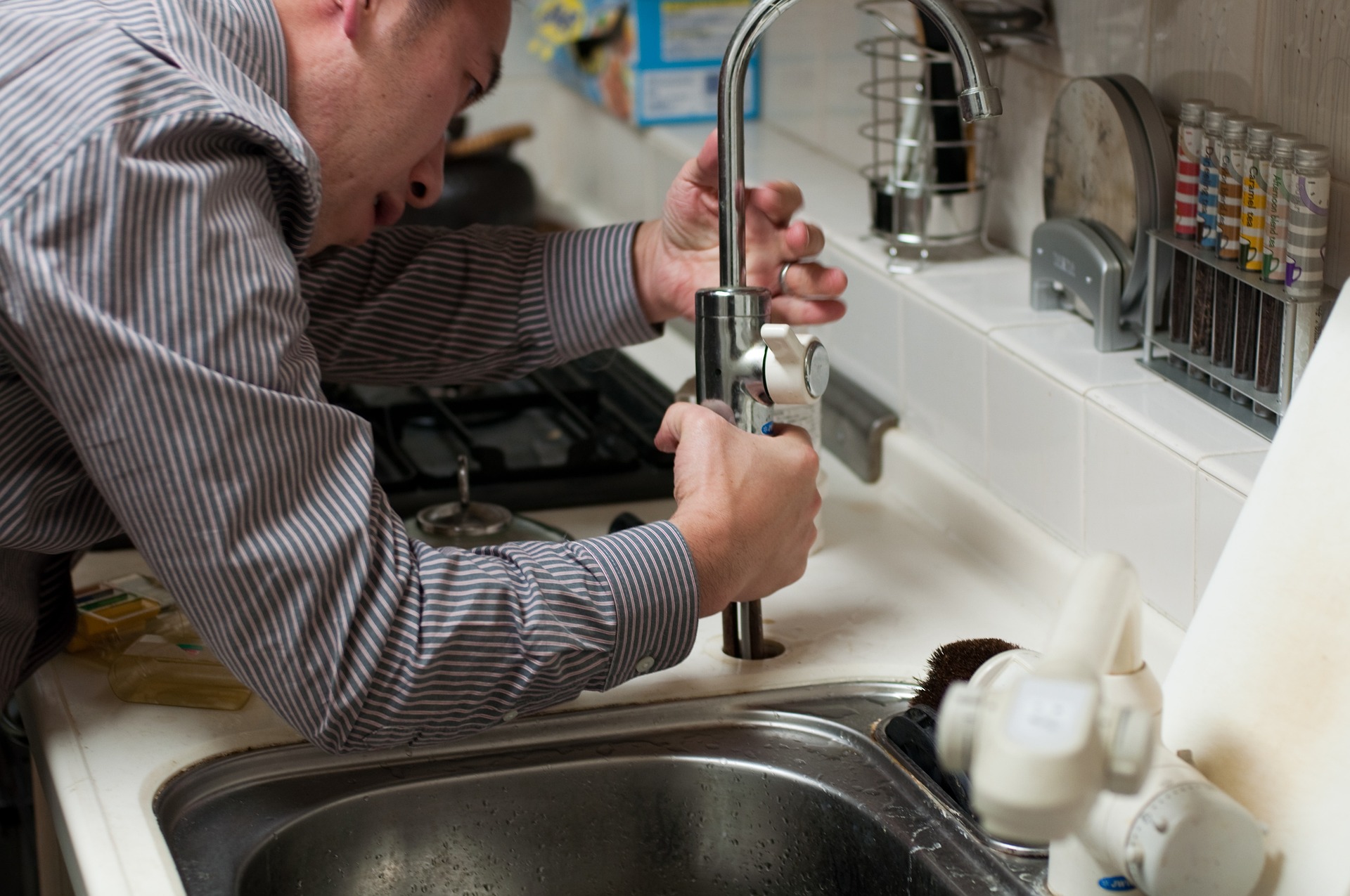
Another option is to set your water heater temperature to no higher than 120 degrees Fahrenheit. This can also help prevent burns from scalding water and save you money on your energy bill. If you’re unsure how to adjust your water heater temperature, consult a professional plumber to ensure that it’s done safely and correctly.
In addition to preventing scalding, there are other benefits to installing a thermostatic mixing valve or setting your water heater temperature lower. For example, it can also help prevent the growth of bacteria like Legionella in your water heater. Legionella is a type of bacteria that can cause Legionnaires’ disease, a potentially fatal respiratory infection.
If you suspect that your water heater is contaminated with Legionella, it’s crucial to have it cleaned and disinfected by a professional plumber as soon as possible. Symptoms of Legionnaires’ disease include fever, chills, coughing, and shortness of breath. If you’re experiencing any of these symptoms, seek medical attention immediately.
Another common plumbing issue that homeowners face is leaky pipes. Leaky pipes can cause a variety of problems, including water damage and mold growth. If you suspect that you have a leaky pipe, it’s important to have it fixed right away. Ignoring the issue can lead to costly repairs down the line and even more extensive water damage.
If you’re experiencing low water pressure or discolored water, it could be a sign of a more serious plumbing issue, such as a broken pipe or corroded water line. These issues can be difficult to identify on your own, so it’s important to consult a professional plumber if you notice any changes in your water quality.
Another common plumbing issue is clogged drains. Clogs can occur in your sinks, toilets, or shower drains, and can be caused by a variety of factors, including hair, food particles, and mineral buildup. While it can be tempting to use harsh chemical drain cleaners to unclog your drains, these products can actually cause more harm than good by corroding your pipes.
Instead, try using a plunger or a drain snake to dislodge the clog. You can also prevent clogs by using sink strainers and avoiding pouring grease and oil down your drains. If you’re still experiencing clogs despite your best efforts, consult a professional plumber to ensure that the issue is resolved safely and efficiently.
In conclusion, plumbing issues can be both dangerous and costly if left untreated. By taking proactive measures to prevent scalding, leaks, and clogs, you can avoid these problems and keep your plumbing system running smoothly. If you’re experiencing any issues with your plumbing system, don’t hesitate to contact a professional plumber. They can offer expert advice and repair services to get your system back on track and protect your home and family from the risks of plumbing issues.
 Call Now