
After extensive research into the latest developments in the world of plumbing, it is clear that one area that is set to receive a significant boost is energy efficiency. With governments all over the world investing in funding to make buildings as energy-efficient as possible, the future of this industry is looking incredibly bright.
One specific example of this is the recent announcement of government funding in the UK to improve energy efficiency in buildings. The initiative, which will involve a £3 billion investment by the government, aims to create jobs and cut carbon emissions by retrofitting buildings with low-carbon heating and energy efficiency measures.
This is welcome news for the plumbing industry, and in this article, we will explore some of the ways in which the plumbing industry is set to change as a result of this new investment.
Energy-Efficient Heating Systems
Perhaps the most obvious way in which the plumbing industry will change as a result of this new investment is the demand for energy-efficient heating systems. With the focus on reducing carbon emissions and increasing energy efficiency, there will likely be a greater demand for heating systems that are designed to consume less energy.
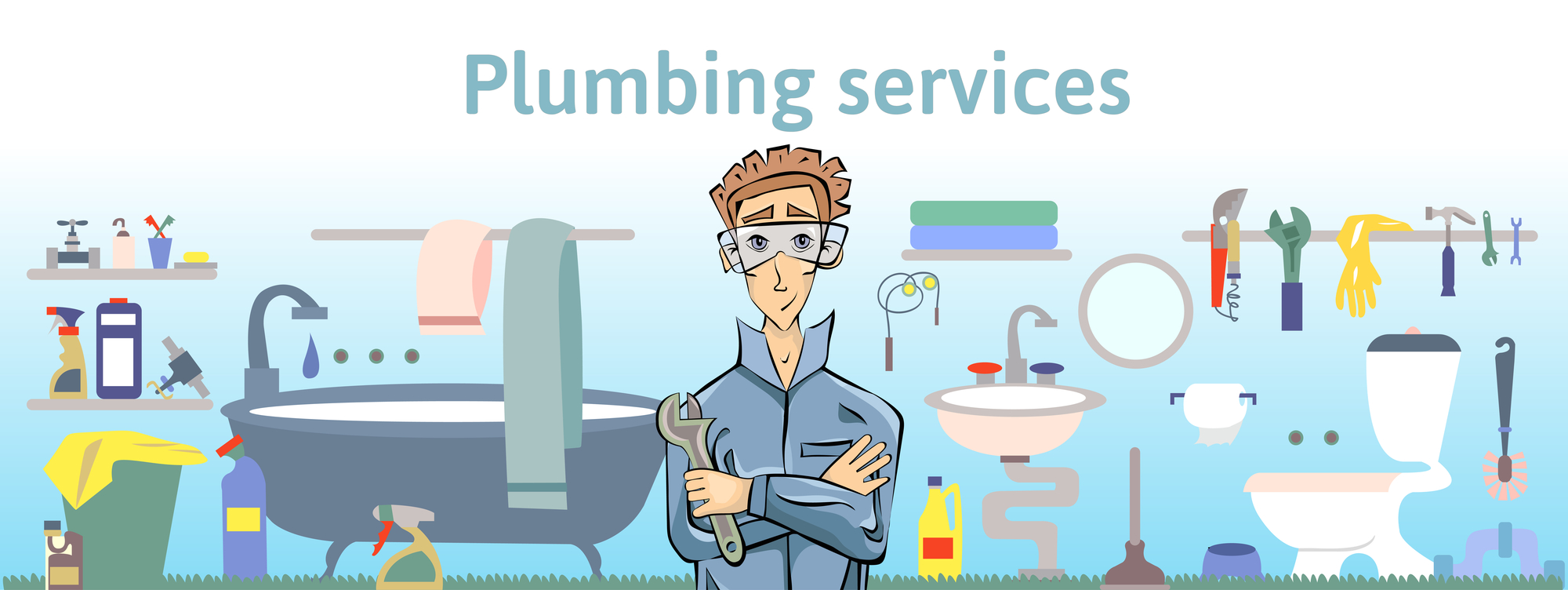
This will result in a shift towards heating systems that utilize renewable energy sources such as solar power, ground source heat pumps, air source heat pumps, and biomass boilers. These systems may also be integrated with smart technology to optimize energy consumption.
Plumbing Installations
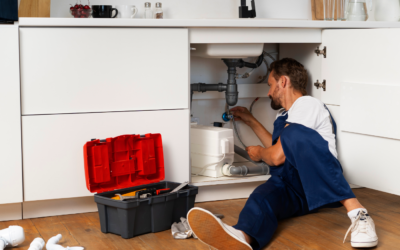
The plumbing industry is also set to benefit from the increased investment in energy efficiency. Retrofitting buildings with low-carbon heating and energy efficiency measures will require a significant amount of plumbing work. The installation of energy-efficient heating systems, smart meters, and water-saving devices will all require the services of plumbers.
As a result, plumbers will need to adapt their skills to include the installation of energy-efficient plumbing systems. This includes the installation of efficient boilers, pipework, radiators, and pumps, as well as the installation of renewable energy systems such as solar panels and heat pumps.
Water-Saving Devices
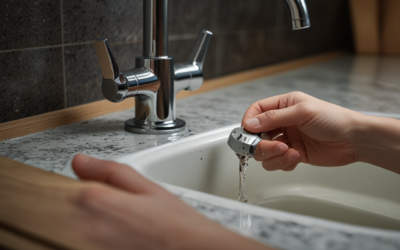
Water-saving devices are another area of plumbing that is set to receive greater attention as a result of the increased investment in energy efficiency. Water-saving devices such as low-flow toilets and showerheads, and aerators can help to reduce water consumption, thereby saving energy and reducing water bills.
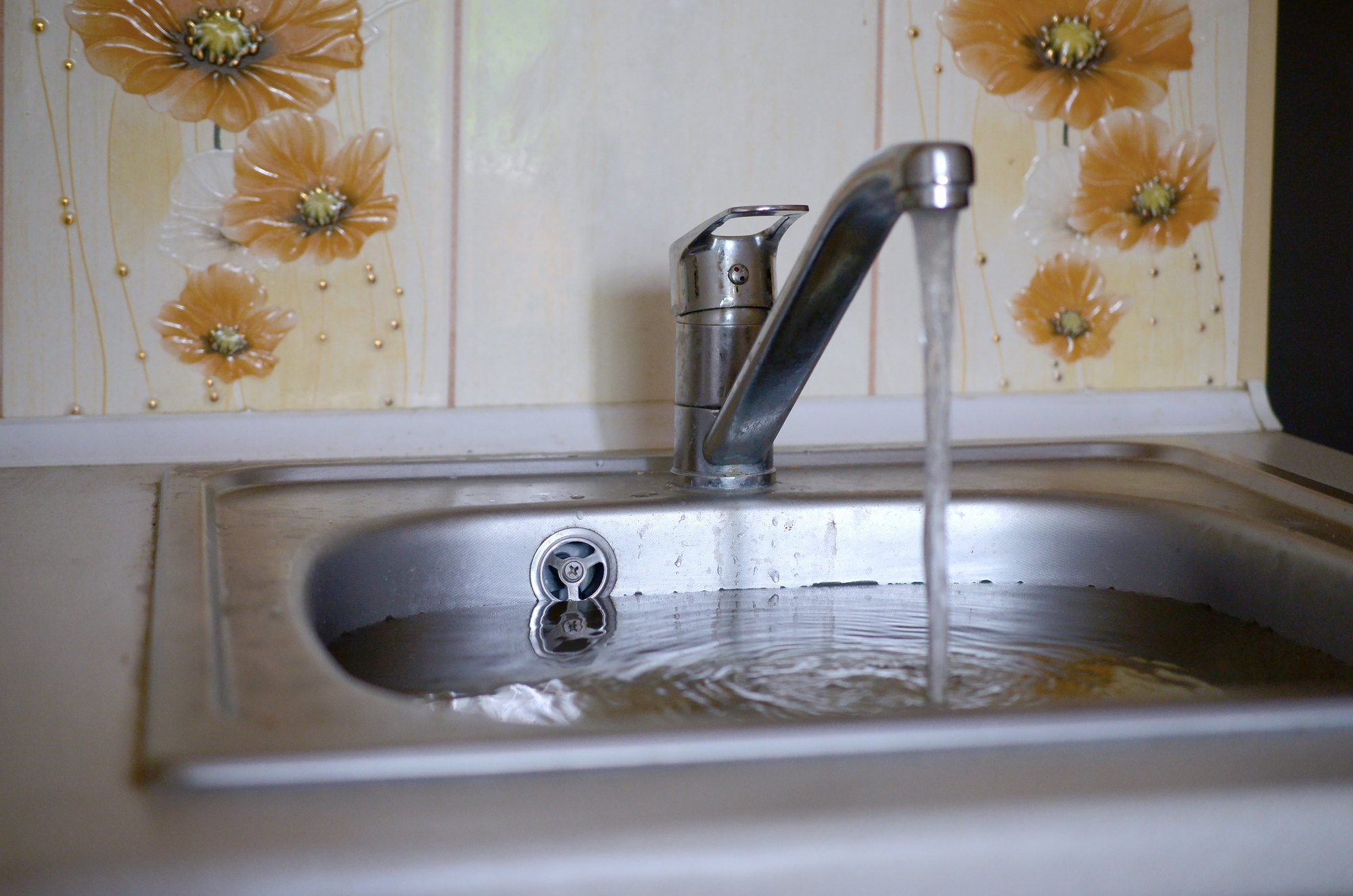
Plumbers will need to be able to advise customers on the best water-saving devices for their needs and install them correctly. In addition, they will need to be able to diagnose and fix leaks promptly to ensure that water wastage is minimized.
Smart Plumbing Technology
Smart plumbing technology is a growing area that harnessed the power of the internet to revolutionize the way in which we manage our homes. With the increasing focus on energy efficiency, smart technology will play an even greater role in the plumbing industry.
Smart devices such as thermostats, flow meters, and leak detectors can provide real-time data that enables homeowners to monitor their energy consumption and water usage. This can help to identify areas where wastage can be reduced, leading to significant savings on energy and water bills.
In conclusion, the plumbing industry is set to undergo significant changes as a result of the increased focus on energy efficiency. The demand for energy-efficient heating systems, smart plumbing technology, and water-saving devices will increase, and plumbers will need to adapt their skills and services to meet this demand.
As a homeowner, you can do your part by investing in energy-efficient plumbing systems and fixtures. If you’re looking for a reliable and experienced plumbing service provider, give Ace Plumbing Repair a call at (844) 711-1590, or visit our website at aceplumbingrepair.com for more information on our services.
 Call Now