by Brandon | Jul 27, 2023 | Tips
Pipe inspection is a crucial part of every plumbing project. Without an accurate view of the pipelines, it can be challenging to locate a problem area, which can eventually lead to more severe issues. Fixing these issues can be time-consuming and expensive. In the past, pipe inspections utilized outdated techniques such as manual inspection or CCTV. Luckily, new technological advancements in plumbing have revolutionized pipe inspections. One such innovation is the vCam Drain Wireless System, which has made pipe inspections more efficient, reliable, and seamless.
What is the vCam Drain Wireless System, and How Does it Work?
The vCam Drain Wireless System is a state-of-the-art plumbing tool that utilizes a wireless system to provide an instant and clear view of the inside of your pipelines. It’s a portable, compact device, and it consists of a monitor, camera, and cable reel. The camera mounted on the end of the cable relays back real-time footage of the pipelines, providing instant and comprehensive information about the condition of your pipelines.
The vCam Drain Wireless System also comes equipped with several critical features, such as the ability to capture still images and record high-definition video footage of the pipelines. This visual data can help the plumbing experts identify potential issues, including debris buildup, corrosion, cracks, leaks, or blockages.
The device’s wireless capabilities also make it simple for plumbing experts to share their findings with clients. With everything recorded on the device, plumbers can quickly show their clients exactly what the issue is and recommend the best course of action.
Advantages of Using vCam Drain Wireless System
1. Versatility
The vCam Drain Wireless System’s versatility is one of its most significant advantages. The camera head attached to the cable reel can easily fit into different pipeline diameters, making it possible to inspect pipelines anywhere from 2-inches up to 12-inches in diameter.
2. Real-time Monitoring
The vCam Drain Wireless System provides real-time monitoring of your pipelines. Plumbing experts can inspect the pipes in real-time using a monitor, allowing necessary adjustments to be made on the go.
3. Cost-Effective Solution
The vCam Drain Wireless System is a cost-effective solution compared to traditional pipe inspection techniques, such as manual inspection or CCTV. It saves time, as well as money, as plumbers can diagnose issues accurately the first time. This eliminates the need for further costly repairs down the line.
4. Easy to Use
The vCam Drain Wireless System is easy to use and lightweight. Its portability makes inspections more comfortable, and its wireless capability eliminates the need for lengthy and elaborate setup procedures.
5. Improved Customer Experience
The vCam Drain Wireless System provides a better customer experience, as it allows plumbers to share their findings with clients. This helps clients understand the issue and the recommended course of action, providing them with peace of mind that the problem will be resolved efficiently.
In summary, the vCam Drain Wireless System is a valuable tool that can help plumbing experts diagnose problems accurately and cost-effectively. It provides real-time visuals, improves the overall customer experience, and is easy to use, making it a worthwhile investment for any plumbing business.
If you are experiencing any plumbing issues and need the services of plumbing experts who utilize the vCam Drain Wireless System, consider contacting Ace Plumbing Repair. We are a team of reliable and trustworthy plumbing experts who utilize the latest technology to ensure we resolve any plumbing issue you might encounter. Contact us today at (844) 711-1590 or visit us at aceplumbingrepair.com, and let us provide you with a seamless plumbing experience.
by Brandon | Jul 27, 2023 | Tips
A recent survey found that millions of Brits are running old boilers, which are less energy-efficient and more prone to breakdowns and safety risks. In fact, about 7 million households in the UK have boilers that are more than 10 years old, according to the Energy Saving Trust. This means that these homes are not only wasting energy and money, but also contributing to carbon emissions and poor air quality.
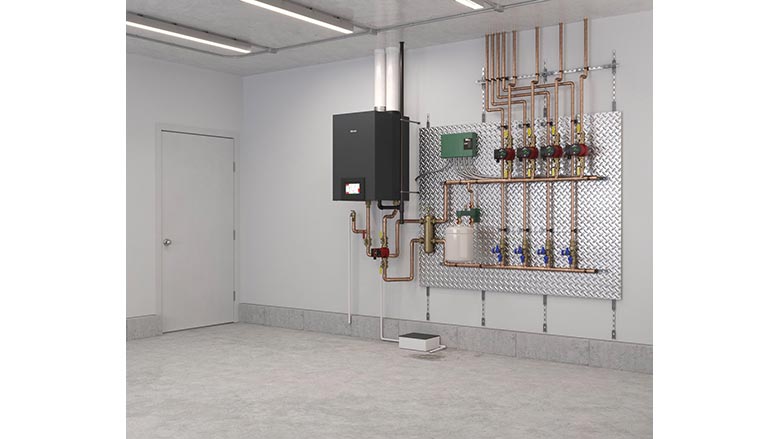
Boiler replacement is a smart investment that can save you money, improve your comfort, and reduce your carbon footprint. In this article, we will guide you through the process of boiler replacement, from choosing the right boiler to finding a qualified installer. We will also answer some common questions and dispel some myths about boiler replacement.
Why Replace Your Boiler?
There are many good reasons to replace your boiler, even if it still works. Here are some of the main benefits of boiler replacement:
– Lower energy bills: A new boiler can be up to 30% more energy efficient than an old model, according to the Energy Saving Trust. This means you could save hundreds of pounds a year on your energy bills, and recoup the cost of the new boiler in a few years.
– Better comfort and control: A new boiler can provide more consistent heat and hot water, and allow you to control your heating more precisely with a smart thermostat or programmable controls. This can improve your comfort and convenience, and avoid wasteful overheating or underheating.
– Higher safety and reliability: A new boiler is less likely to break down or develop faults that can pose a safety risk, such as leaking gas or carbon monoxide. A new boiler also comes with a warranty that covers parts and labor for a certain period, giving you peace of mind.
– Lower carbon footprint: A new boiler emits less carbon dioxide and other pollutants than an old model, which helps to reduce your environmental impact and contribute to the UK’s target of net-zero emissions by 2050. A new boiler can also qualify for government incentives such as the Green Homes Grant or Renewable Heat Incentive.
What to Consider When Choosing a New Boiler
There are many types and models of boilers to choose from, and it can be confusing to know which one is best for your home and budget. Here are some factors to consider when choosing a new boiler:
– Fuel type: Boilers can be powered by gas, oil, electricity, or renewable energies such as biomass or solar. The most common fuel in the UK is gas, but oil boilers are more common in rural areas. Electric boilers are less common and more expensive to run, but may be suitable for smaller properties or off-grid homes. Renewables are typically more expensive to install but may offer long-term savings and environmental benefits.
– Boiler type: Boilers can be classified as combi, system, or regular (also called conventional or heat-only). A combi boiler heats water on demand and does not require a separate hot water cylinder or cold water tank, making it a space-saving and efficient option for small homes or flats. A system boiler heats water in a cylinder and requires a separate tank for cold water, but can support multiple outlets and offer higher flow rates. A regular boiler is the most traditional type and requires a separate cylinder and tank, but can provide high water pressure and compatibility with older heating systems.
– Efficiency rating: Boilers are rated by their efficiency in converting fuel into heat, expressed as a percentage. The higher the rating, the less fuel will be wasted and the cheaper your energy bills will be. The current minimum standard for new boilers is 92% for gas and 89% for oil, but some models can achieve up to 98% efficiency. Look for the Energy Saving Trust Recommended logo to find the most efficient models.
– Size and output: Boilers are sized according to the heat demand of your home, measured in kilowatts (kW). The output should match the heat loss of your property, which depends on its size, insulation, windows, and other factors. Oversized or undersized boilers can waste energy and money and cause comfort issues. You can use an online calculator or consult a heating engineer to determine the right size for your home.
– Cost and budget: Boilers come in a range of prices, from a few hundred pounds to several thousand pounds. The cost depends on the brand, type, size, efficiency, and warranty of the boiler, as well as the installation costs. You should consider the lifetime costs and savings of a new boiler, rather than just the upfront cost, when making a decision. There are also financing options and government schemes that can help you spread the cost or reduce the cost, such as the Pay As You Save scheme or the Affordable Warmth scheme.
How to Find a Qualified Installer
Boiler replacement is not a DIY task and should be carried out by a Gas Safe registered installer or an OFTEC registered installer for oil boilers. You should also choose an installer who is experienced, qualified, insured, and accredited by a reputable scheme such as the Heating and Hot Water Industry Council (HHIC), the Association of Plumbing and Heating Contractors (APHC), or the Chartered Institute of Plumbing and Heating Engineering (CIPHE). Here are some tips on how to find a qualified installer:
– Ask for recommendations from friends, family, or neighbors who have had a new boiler installed recently.
– Check online reviews and ratings of local installers on websites such as Which? Trusted Traders, Checkatrade, or Trustpilot.
– Request quotes from at least three installers and compare them based on the price, scope, and quality of the work, as well as the warranty and aftercare service.
– Ask for proof of accreditation and registration, such as a Gas Safe or OFTEC ID card, and verify their status on the official website.
– Check the installer’s insurance and guarantees, such as public liability insurance and workmanship guarantee, and ask for details on the terms and coverage.
– Ask questions about the installation process, such as the estimated duration, the materials and equipment used, the location of the boiler, the safety measures taken, and the testing and commissioning procedures.
– Get a written agreement that outlines the scope, price, warranty, and payment terms of the work, as well as any additional services or costs that may arise.
Conclusion
Boiler replacement is a wise investment that can benefit your pocket, your health, and the planet. By choosing a new boiler that is energy efficient, safe, reliable, and suitable for your needs, you can enjoy lower bills, higher comfort, and peace of mind. By finding a qualified installer who can install your new boiler to the highest standards, you can ensure that your investment is protected and your safety is assured. If you need any advice or assistance on boiler replacement, contact Ace Plumbing Repair at (844) 711-1590 or visit our website at aceplumbingrepair.com. We are here to help you keep your home warm, cozy, and safe all year round.
by Brandon | Jul 27, 2023 | Tips
Are you considering upgrading your home’s water heating system? If so, you might be wondering whether a tankless or conventional water heater is the best option for you. In this blog post, we’ll explore the differences between these two types of water heaters, their pros and cons, and help you make an informed decision.
Conventional Water Heater
A conventional water heater, also known as a storage tank water heater, is the most common type of water heater found in homes. As the name suggests, it stores hot water in a tank until it’s needed. The tank is insulated to keep the water hot, so it’s always ready to use. Conventional water heaters can run on gas or electricity.
Pros:
– Cost-effective: Conventional water heaters are generally less expensive to purchase and install than tankless water heaters.
– Familiarity: Most people are familiar with conventional water heaters, so they are easier to maintain and repair.
– Simplicity: Conventional water heaters are relatively simple and easy to operate.
Cons:
– Limited hot water: The size of the storage tank determines how much hot water is available. Once the tank is empty, you’ll need to wait for the water to heat up again.
– Energy loss: Conventional water heaters constantly heat and reheat the water to keep it at the desired temperature. This process can lead to energy loss, which can be costly over time.
– Space: Conventional water heaters take up a lot of space, typically in a utility closet or basement.
Tankless Water Heater
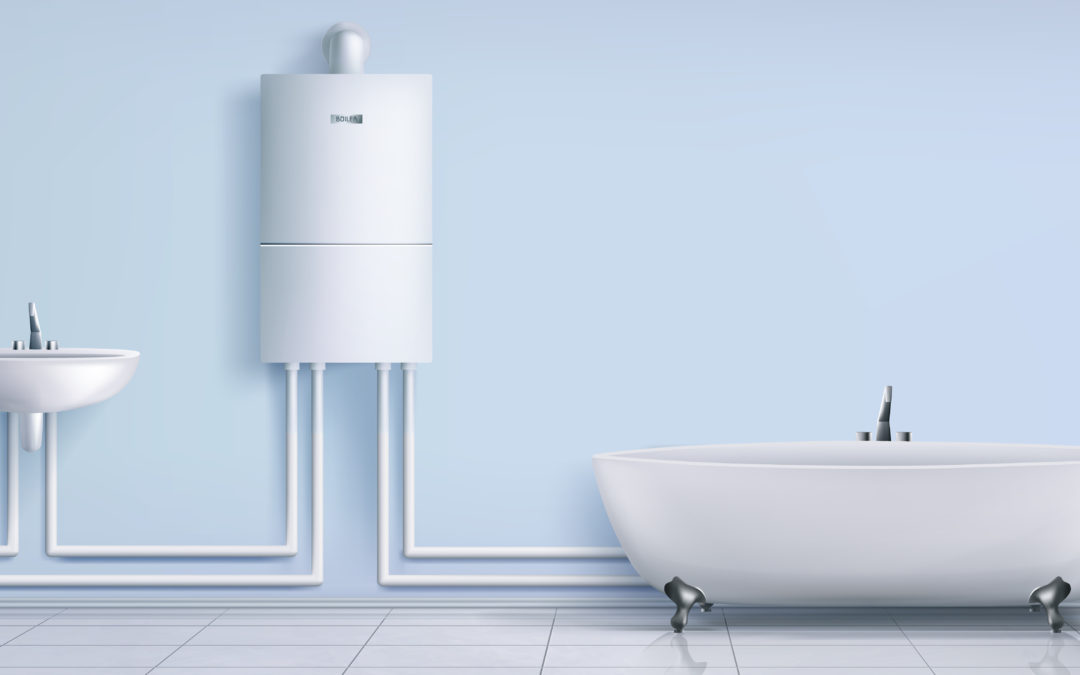
A tankless water heater, also known as an on-demand water heater, heats water only when it’s needed. When you turn on the hot water tap, cold water flows through the unit and is heated by a gas burner or electric element. Tankless water heaters can provide hot water on demand, without the need for a storage tank.
Pros:
– Unlimited hot water: Tankless water heaters provide hot water on demand, so you’ll never run out of hot water.
– Energy-efficient: Tankless water heaters only heat water when it’s needed, so they use less energy and can save you money on your energy bills.
– Space-saving: Tankless water heaters are much smaller than conventional water heaters, so they take up less space.
Cons:
– Upfront cost: Tankless water heaters are more expensive to purchase and install than conventional water heaters.
– Complexity: Tankless water heaters are more complex, so they require a professional installation and maintenance.
– Inconsistent temperatures: The water temperature may fluctuate with a tankless water heater if it is used at a high demand rate, causing discomfort.
Which One is Right for You?
The decision between a tankless and conventional water heater depends on your specific needs, budget, space, and other factors. If you live in a household with one or two people, a tankless water heater is perfect for you. Tankless water heaters take up less space and are great for households that want a continuous supply of hot water for things like showers, cooking, or doing laundry.
However, if you’re looking for a cost-effective solution or have a larger household, a conventional water heater may be a better option. Conventional water heaters are more affordable and perform well if you only need hot water for a few hours a day.
Conclusion
Choosing between a tankless and conventional water heater requires careful consideration of multiple factors, including your household size, budget, space, and hot water needs. If you need help deciding which type of water heater is right for you, contact the plumbing experts at aceplumbingrepair.com or call (844) 711-1590. They can assess your needs, budget, and space to recommend the best water heater solution for you.
by Brandon | Jul 27, 2023 | Tips
Tankless water heaters have gained popularity in recent years and are becoming more common in households as a cost-effective and energy-efficient alternative to traditional water heaters. If you’re considering upgrading to a tankless water heater in 2022, there are a few things you should keep in mind when choosing and installing one.
Benefits of a Tankless Water Heater
Unlike traditional water heaters, tankless water heaters do not store hot water in a tank. Instead, they heat water on demand, which means that you only use energy when you need hot water. This can result in significant energy savings and lower utility bills.
Another benefit of tankless water heaters is their longer lifespan in comparison to traditional water heaters. Traditional water heaters typically last anywhere from 8-12 years, while a tankless water heater can last up to 20 years with proper maintenance.
Choosing the Right Tankless Water Heater
When choosing a tankless water heater, there are a few key factors to consider:
1. Size: The size of the tankless water heater you choose will depend on several factors, including the size of your household and your hot water usage needs.
2. Fuel type: Tankless water heaters can be powered by gas or electricity. The fuel type you choose may depend on the availability of natural gas in your area, as well as your personal preferences and budget.
3. Efficiency: Look for a tankless water heater with a high energy efficiency rating, as this will result in lower energy bills in the long run.
4. Installation requirements: Tankless water heaters require adequate ventilation and a dedicated gas or electrical line. Make sure that your home meets the installation requirements before choosing a tankless water heater.
Installation Considerations
Installing a tankless water heater is a complex process that should be done by a professional plumber. Here are some things to keep in mind when installing a tankless water heater:
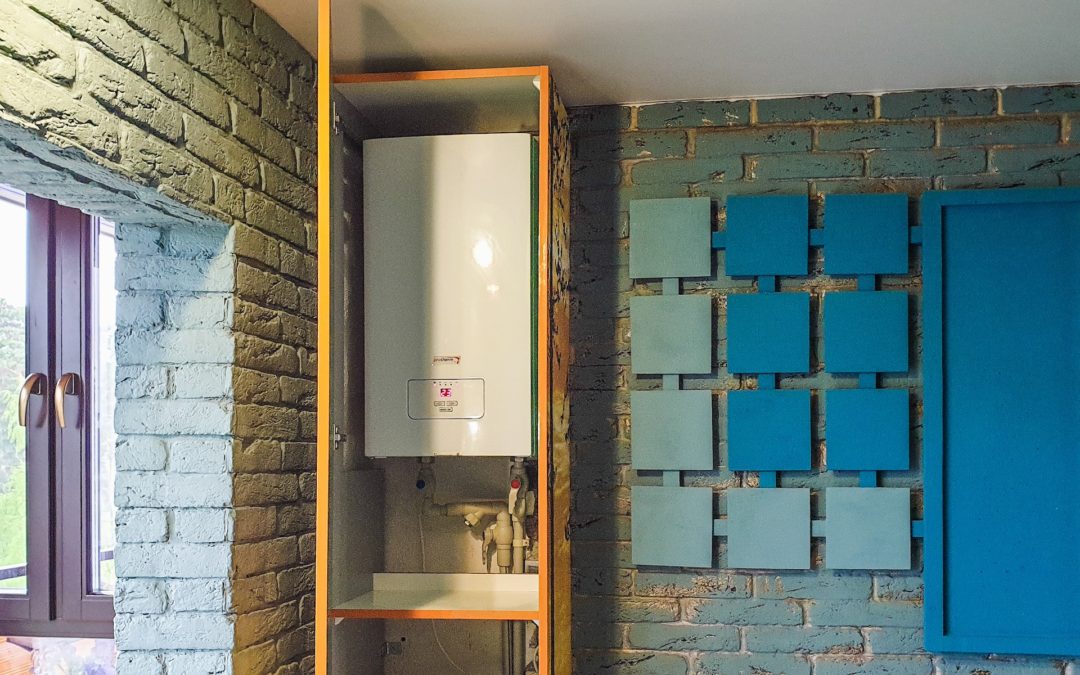
1. Location: Tankless water heaters are typically mounted on a wall, so you will need to choose a location that is both accessible and safe. They also require proper ventilation to prevent dangerous carbon monoxide buildup.
2. Water supply: Tankless water heaters require a certain amount of water pressure and flow rate. Make sure that your home’s plumbing system can accommodate the demands of a tankless water heater.
3. Electrical and gas connections: Tankless water heaters require a dedicated gas or electrical line. Ensure that your home’s electrical and gas connections can support the tankless water heater.
4. Regular maintenance: To ensure the longevity and efficiency of your tankless water heater, regular maintenance is essential. A professional plumber can perform routine maintenance checks and necessary repairs.
Conclusion
Switching to a tankless water heater can provide significant energy savings and a longer lifespan for your water heating system. However, choosing and installing a tankless water heater is not a DIY job. It’s essential to work with an experienced plumber who can help you choose the right size and fuel type for your needs, and ensure that your home meets the installation requirements. If you’re thinking about upgrading to a tankless water heater in 2022, contact Ace Plumbing Repair for professional installation and maintenance services.

 Call Now