by Brandon | Aug 3, 2023 | Tips
As a plumbing service company, it’s important to have a strong social media presence to attract potential customers. Instagram is an excellent platform to showcase your services, engage with your audience, and stand out in the competitive plumbing industry.
Here are some tips to help you utilize Instagram for your plumbing service business:
1. Instagram Profile & Bio
Your Instagram profile should be complete with an eye-catching profile picture and a clear and concise bio that explains what your company does. Make sure to include your website link and contact information, such as your phone number and email address.
2. Showcase Your Work
Instagram is a visual platform, so use it to showcase your plumbing services. Share photos and videos of your work, such as before-and-after shots of the plumbing repairs you’ve completed. You can also share photos of your team at work to give your followers a glimpse of your company culture.
3. Use Hashtags
Hashtags are key to getting your posts discovered on Instagram. Research and use relevant hashtags that potential customers may be searching for, such as #plumbingrepair, #waterheaterrepair, #draincleaning, and #emergencyplumbing. Don’t overdo it, though—use only a few hashtags in each post that are specifically related to the content of that post.
4. Engage with Your Audience
Engagement is key to building a loyal following on Instagram. Respond to comments on your posts and reach out to your followers through direct messages. Encourage them to share their experiences with your services and to leave reviews on your website and social media pages.
5. Share Educational Content
Educational content is a great way to establish your expertise in the plumbing industry and help your followers understand common plumbing issues and how best to address them. Share tips and tricks on how to avoid common plumbing problems, suggestions for regular maintenance, and other useful information for your followers.
6. Run Instagram Contests and Promotions
Instagram contests and promotions are a fun way to increase engagement and grow your following. You can create a contest where users share their worst plumbing disaster story or a promotion where users receive a discount on their next plumbing service when they follow your page and tag a friend in the comments.
7. Collaborate with Other Local Businesses
Collaborating with other local businesses is a great way to expand your reach to potential customers. Partner with local hardware stores, home renovation stores, or other related businesses and share each other’s content on social media.
8. Use Instagram Stories
Instagram Stories are a great way to engage with your audience through quick, temporary, and informal content. Share behind-the-scenes glimpses of your workday, showcase new products or services you’re offering, or share customer stories.
9. Use Instagram Ads
Instagram Ads are an effective way to reach a broader audience. Don’t be afraid to invest in targeted Instagram Ads that reach potential customers in your area searching for plumbing services near them.
In conclusion, Instagram is an excellent platform for plumbing service businesses to showcase their services, engage with customers, and stand out in the competitive industry. By following these tips, you’ll be on your way to growing your social media presence and building a loyal following of customers. Don’t forget to include a clear call-to-action at the end of each post inviting potential customers to visit your website or contact you for your plumbing services.
by Brandon | Aug 3, 2023 | Tips
Clogged drains are a common plumbing problem that homeowners face every day. It’s frustrating to deal with, and it can be expensive to fix if not addressed immediately. Fortunately, there are several ways to prevent clogged drains and keep your plumbing system functioning properly. In this article, we’ll share some tips and tricks to help you prevent clogged drains from happening in your home.
1. Use a Drain Strainer
One of the easiest ways to prevent clogged drains is by using a drain strainer. These strainers are designed to catch hair, food particles, and other debris that can clog your pipes. Simply place the strainer over the drain and clean it out regularly. This will help keep your pipes clean and clear, preventing clogs from forming.
2. Don’t Pour Grease Down the Drain
Cooking grease may seem harmless when it’s hot and liquid, but once it cools down, it solidifies and can clog your pipes. It’s best to dispose of cooking grease by letting it cool down and then throwing it away in the trash. You can also pour it into a container and dispose of it properly. Avoid pouring grease down the drain to prevent clogs from forming.
3. Use a Plunger
If you notice that your drain is draining slowly, try using a plunger. This will help dislodge any debris that may be clogging your pipes. Be sure to use a plunger specifically designed for sinks and showers, as they have a different shape than toilet plungers. Place the plunger over the drain and plunge vigorously. Repeat as necessary until the drain is clear.
4. Hot Water Flush
Another easy way to prevent clogged drains is by flushing hot water down the drain once a week. This will help dissolve and wash away any debris that may be building up in your pipes. Boil water in a kettle or pot and then slowly pour it down the drain, repeating until the water runs clear.
5. Regular Cleaning
Preventing clogs in your drains requires regular maintenance. Clean your drains weekly by pouring hot water down the drain. You can also use a mixture of baking soda and vinegar to help dissolve any debris that may be clogging your pipes. Pour a cup of baking soda down the drain followed by a cup of vinegar. Let it sit for 30 minutes, then flush the drain with hot water.
6. Professional Drain Cleaning
If your drains are consistently clogging, it may be time to call in a professional plumber to clean your drains. They have specialized equipment that can remove any clogs that may be deep in your pipes. Regular drain cleaning can also help prevent clogs from forming in the first place.
In Conclusion
Preventing clogs in your drains is essential to maintain a properly functioning plumbing system. By using a drain strainer, not pouring grease down the drain, using a plunger, flushing hot water down the drain, regular cleaning, and professional drain cleaning, you can keep your pipes clear and avoid costly repairs. Remember to always call a professional plumber if you’re having trouble with your plumbing system. At Ace Plumbing Repair, we offer same-day plumbing services to prevent any plumbing mishaps from escalating. Call us at (844) 711-1590 if you need assistance with your plumbing needs.
by Brandon | Aug 3, 2023 | Tips
When it comes to bathroom design, the fixtures you choose can have a significant impact on the overall look and functionality of the space. Whether you’re looking to renovate an existing bathroom or designing one from scratch, selecting the right fixtures is crucial. In this guide, we’ll cover everything you need to know about bathroom fixtures, from sinks to faucets to toilets to showerheads.
Sinks
One of the most critical fixtures in any bathroom is the sink. The sink needs to be both functional and aesthetically pleasing, as it is the first thing you’ll see when you walk into the bathroom. There are several styles of sinks to choose from, depending on your design preferences and budget.
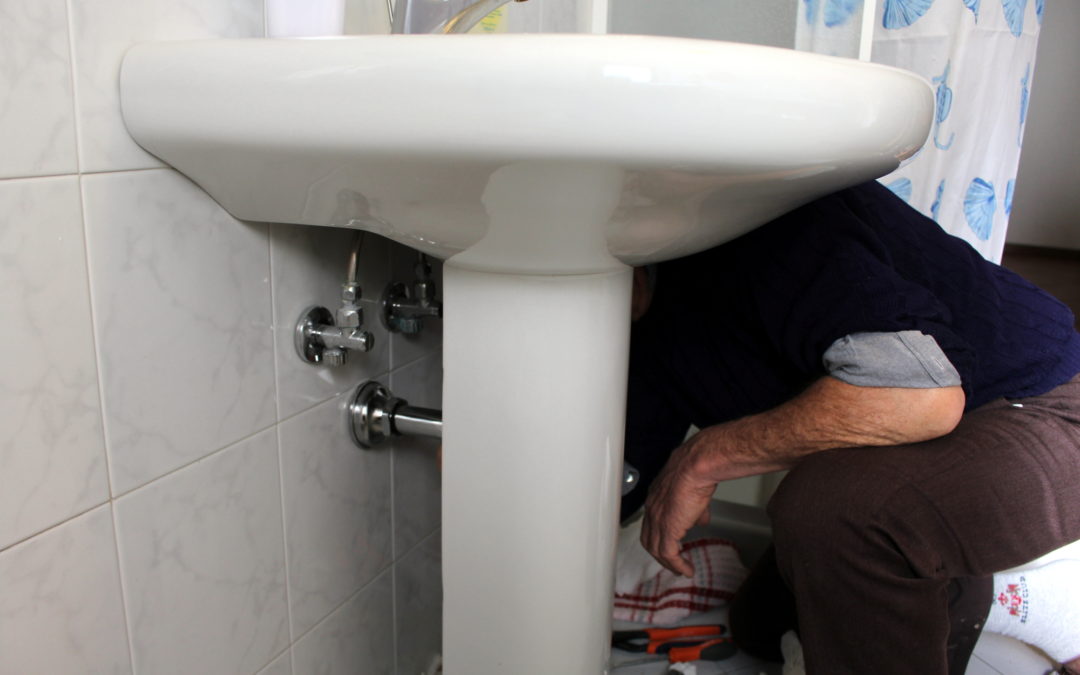
Pedestal sinks are a classic choice, with a timeless, elegant look. However, they can be challenging to install and require a lot of space. Wall-mounted sinks are a more modern option, requiring less space and providing a sleek, minimalist look. Undermount sinks are another option, with a seamless look that is easy to clean.
Faucets
Faucets are an essential component of any sink, and choosing the right one can add a touch of elegance and style to your bathroom. There are several types of bathroom faucets available, including standard, center-set, single-hole, and wall-mount.
Standard faucets are the most common and come in various finishes, including chrome, nickel, and bronze. Center-set faucets are designed for sinks with three holes and have two handles. Single-hole faucets are a more modern choice, with a sleek look and a single lever for controlling both temperature and water pressure. Wall-mount faucets are a trendy option for a modern and minimalist look.
Toilets
Toilets are another essential fixture in any bathroom, and choosing the right one is essential. There are several types of toilets, including one-piece, two-piece, and wall-mounted.
One-piece toilets have a sleek, seamless design that is easy to clean but can be more expensive. Two-piece toilets are the most common and come with a separate tank and bowl. Wall-mounted toilets are a more modern option, offering a minimalist look and taking up less space.
Showerheads
The showerhead is another crucial bathroom fixture, and choosing the right one can make all the difference in your shower experience. There are several types of showerheads available, including fixed, handheld, rain, and high-pressure.
Fixed showerheads are the most common and come in various shapes and sizes, from traditional round heads to square and rectangular options. Handheld showerheads offer more flexibility and are ideal for those with mobility issues or for cleaning the shower. Rain showerheads are more luxurious, offering a gentle, soothing flow that simulates rainfall. High-pressure showerheads are perfect for those who like a strong, invigorating shower.
Conclusion
Choosing the right bathroom fixtures is essential for creating a functional and stylish space. Whether you’re renovating an existing bathroom or designing a new one, selecting the right fixtures can make all the difference. From sinks to faucets to toilets to showerheads, there are endless options to choose from, depending on your design preferences and budget. By keeping these tips and considerations in mind, you can create the bathroom of your dreams that is both functional and aesthetically pleasing. And if you need any help with your plumbing needs, don’t hesitate to contact the experts at Ace Plumbing Repair by visiting our website at aceplumbingrepair.com or giving us a call at (844) 711-1590.
by Brandon | Aug 2, 2023 | Tips
As people grow older, they often face new challenges in maintaining their homes and daily care routines. While many older adults want to age in place independently, they may require additional assistance to do so safely and comfortably. Creating a safe and comfortable home care environment is essential for seniors’ wellbeing and a crucial part of providing quality care. This guide shares practical tips for creating a safe, comfortable, and welcoming home for seniors.
Bathroom Safety
The bathroom is one of the most dangerous areas in any home. Bathroom falls can be devastating for seniors, and they are often caused by slippery floors, poor lighting, and inadequate handrails. To make bathrooms safer for seniors, install grab bars in areas where they may need extra support, such as near the toilet, shower, or bathtub. Non-slip mats should be placed in the bathtub and shower. It’s important to ensure that lighting is adequate in the bathroom. Proper lighting can make it easier for seniors to navigate the room and prevent falls.
Plumbing Maintenance
Regular plumbing maintenance is essential for keeping the home safe and comfortable for seniors. Plumbing issues such as leaks, clogs, and burst pipes can cause significant damage to the home and can also be a health hazard. Routine maintenance can identify problems when they are small and more manageable. It’s good practice to schedule regular plumbing maintenance to avoid emergencies.
Water Heater Repair Services
Hot water is an essential component in maintaining a comfortable home care environment. Seniors rely heavily on hot water for bathing, cooking, and cleaning. If the water heater is not functioning correctly, it can cause a lot of inconvenience and discomfort. Regular maintenance can extend the life of the water heater and catch problems early on, which can prevent costly repairs or replacements.
Toilet Installation and Repair Services
Seniors with mobility challenges may struggle to use traditional toilets, and an accessible model may be needed. Furthermore, older toilets often consume more water, making them more expensive to operate. A low flow toilet installation can save up to 16,000 gallons of water annually. Additionally, if toilets are not functioning correctly, repairs should be done right away to avoid costly damages and sanitary issues.
Garbage Disposal Repair and Installation
Garbage disposals provide a convenient way to dispose of food waste, but they can be tricky to operate for seniors. If the disposer isn’t functioning as it should, it can cause serious problems, such as backed up sinks and broken pipes. To avoid these problems, proper maintenance and repairs of the garbage disposal are essential.
Drain Cleaning
Clogs in the drains can cause foul odors, slow water flow, and even backing up of the sewage system. This can lead to all sorts of issues, such as water damage, health hazards, and a decrease in the quality of life. A professional drain cleaning service can ensure that all drains in the house are working correctly, providing seniors with a safer, more hygienic home.
In conclusion, creating a safe and comfortable home care environment for seniors is not an easy task, but with the right preparation, it can be done. It’s important to keep the plumbing system in top condition as it can have significant effects on the safety, comfort, and hygiene of the home. Regular maintenance and quick repairs of any issues can prevent costly repairs and keep seniors safe and comfortable at home.
For any plumbing needs, Ace Plumbing Repair can provide expert service and advice at (844) 711-1590 or visit our website aceplumbingrepair.com.
by Brandon | Aug 2, 2023 | Tips
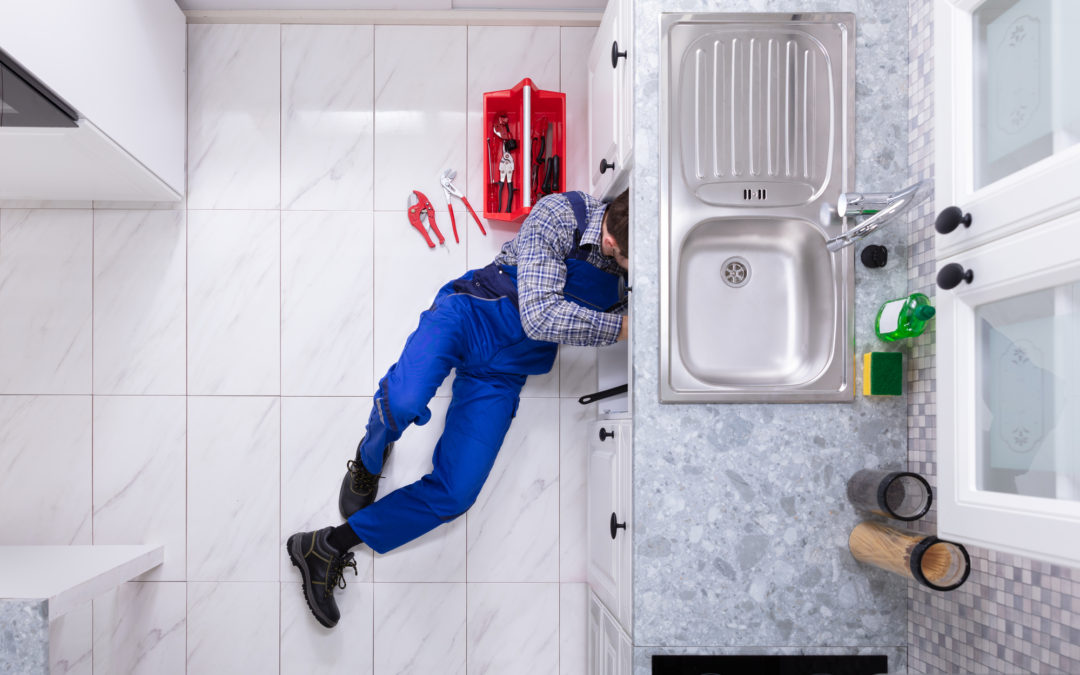
If you’re a homeowner in Penticton, you understand the importance of keeping your home in good condition. One of the most crucial aspects of maintaining your home is ensuring that your plumbing system is in excellent shape. A faulty plumbing system can cause significant problems, including water damage and costly repair bills. However, by following these essential plumbing maintenance tips, you can keep your plumbing system in top-notch condition.
1. Check for leaks
One of the most common plumbing issues is leaks. Leaks can result in water damage, which can lead to mold and mildew growth. To prevent leaks, you should check your home’s pipes regularly. Look for signs of water stains, drips, or puddles. If you notice any of these signs, you should call a licensed plumber to inspect the issue.
2. Test your water pressure
Low water pressure is a common plumbing issue in Penticton homes. Low water pressure can be caused by several factors, including clogged pipes, mineral buildup, or faulty valves. To test your water pressure, attach a pressure gauge to your home’s external water spigot. The ideal water pressure should be between 45 and 55 pounds per square inch (PSI). If your water pressure is lower than this range, you should contact a professional plumber.
3. Inspect your water heater
Your water heater is a crucial component of your plumbing system. Over time, sediment can build up in your water heater, reducing its efficiency. To maintain your water heater, you should flush it annually. Flushing the water heater can remove any sediment buildup, ensuring that your unit runs efficiently.
4. Check your toilet for leaks
Toilet leaks are a common plumbing issue that can result in high water bills. To check your toilet for leaks, add a few drops of food coloring to your toilet tank. Wait 30 minutes, and if the water in your toilet bowl changes color, you have a leak. Toilet leaks can usually be fixed by replacing the flapper valve or adjusting the tank’s water level.
5. Clean your drains
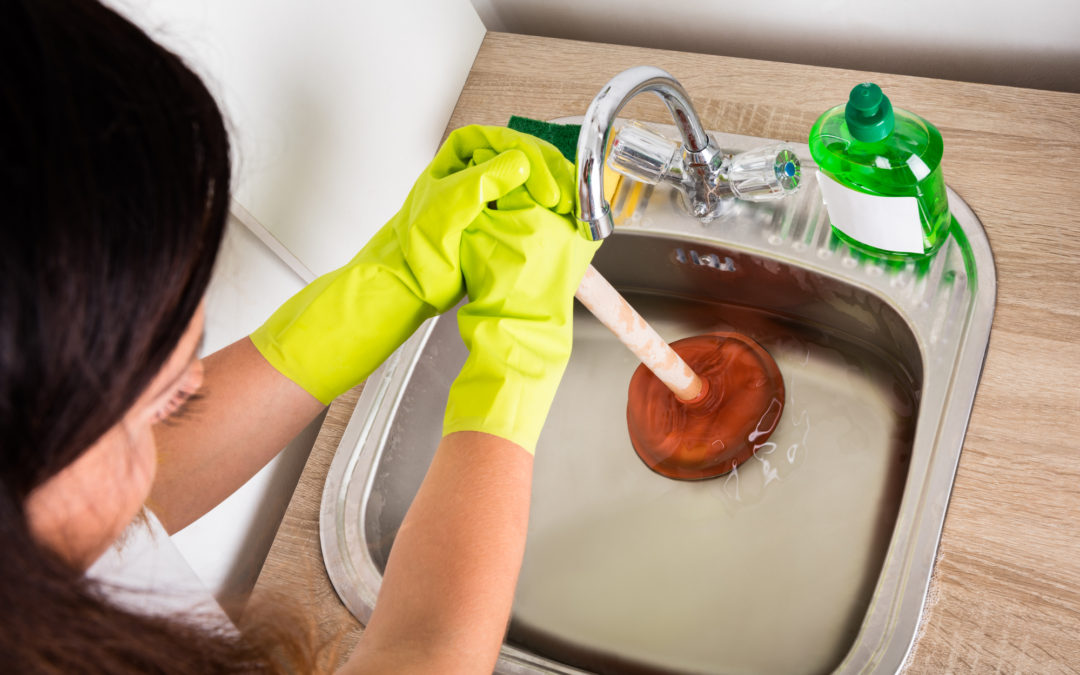
Clogged drains can cause water to back up, resulting in unpleasant odors and potential water damage. To prevent clogged drains, you should avoid pouring grease or oil down your drains. Additionally, you should periodically clean your drains using a plunger or drain snake. If you’re dealing with a particularly stubborn clog, you may need to call in a professional plumber.
In conclusion
Maintaining your plumbing system is essential for keeping your Penticton home in excellent condition. If you’re dealing with a plumbing issue or need routine maintenance, contact Ace Plumbing Repair. Our team of licensed plumbers can handle any plumbing issue you may be facing, from leaky pipes to full-scale installations. Contact us today to schedule an appointment.
by Brandon | Aug 2, 2023 | Tips
Water is one of the essential commodities that every human being requires for survival. However, it can also be one of the most destructive forces, especially if not contained or handled correctly. Water damage can cause significant losses in property and lead to severe health issues if not addressed promptly and effectively. In this comprehensive guide, we will discuss what water damage is, its causes, signs, preventive measures, and how to deal with water damage effectively.
What is Water Damage?
Water damage refers to the destruction caused by water to any material or substance when it comes into contact with it. It is a common problem in plumbing systems and can result in significant losses in buildings and homes if not fixed promptly.
Some of the signs that indicate you have water damage include:
– Wet or damp carpets
– Discoloration of walls, floors, and ceilings
– Foul odor or presence of mold
– Buckled or warped floors
– Peeling or bubbled paint
– Visible mold growth on walls or ceilings
– Damaged or wet woodwork
– Cracked or stained walls and ceilings
Causes of Water Damage
Water damage can result from various sources, including natural disasters like floods and storms. However, plumbing issues are the most common causes of water damage in homes and commercial buildings.
Some of the leading causes of plumbing-related water damages include:
1. Burst or Leaky Pipes
Pipes are an essential component of any plumbing system, and they can develop cracks or burst due to various reasons. Some of the leading causes of pipe bursting or leaks include age, wear and tear, internal corrosion, high water pressure, and frozen pipes.
2. Clogged Drains
Clogged drains can cause stagnant water to accumulate in sinks, bathtubs, and other plumbing fixtures, leading to water damage and mold growth in areas surrounding the clog. The buildup of debris, grease, and other materials in pipes can cause clogs and blockages.
3. Faulty Appliances
Appliances like washing machines, refrigerators, and dishwashers use water to function effectively. However, they can cause water damage if they malfunction or have faulty components like hoses and gaskets.
4. Cracked Plumbing Fixtures
Cracks in plumbing fixtures like sinks, toilets, and bathtubs can cause water to leak and damage surrounding surfaces, leading to costly repairs.
Preventive Measures for Water Damage
Preventing water damage should be a priority for every homeowner or building manager. Here are some of the measures that can help prevent water damage:
1. Regular inspections
Regular inspections of plumbing systems and fixtures can help detect potential leaks or malfunctions and fix them before they cause significant damage.
2. Proper maintenance
Proper maintenance of appliances and plumbing fixtures can prevent wear and tear and improve their longevity, reducing the likelihood of leaks and malfunctions.
3. Install water alarms
Installing water alarms can help detect leaks and excess moisture in areas that are likely to suffer water damage, like basements and crawl spaces.
4. Keep gutters clean
Clogged gutters can cause water damage to roofs and walls by diverting water into areas where it shouldn’t be.
5. Upgrade plumbing systems
Upgrading your plumbing system with modern technology and materials like polyethylene piping can prevent leaks and improve the lifespan of your plumbing system.
Dealing with Water Damage
Dealing with water damage can be a daunting task, especially if the damage is extensive. Here’s a step-by-step guide on how to deal with water damage effectively:
1. Shut off the water source
The first step in dealing with water damage is turning off the water source leading to the affected area. This will prevent water from continuing to flow to the damaged area, reducing the overall damage.
2. Assess the damage
Assess the damage caused by water to determine the extent of the damage and the areas that require repair or replacement.
3. Remove excess water
Using a wet-dry vacuum or mop, remove the excess water from the affected area.
4. Dry the area
Dry the affected area using fans, dehumidifiers, and other drying equipment to prevent mold growth and further damage.
5. Repair or replace damaged surfaces
Repair or replace any surfaces that have been damaged beyond repair, like drywall, carpets, and insulation.
6. Disinfect the area
After repairing or replacing the damaged surfaces, thoroughly disinfect the affected area to prevent the growth of mold and to ensure it’s safe for habitation.
Conclusion
Water damage can be disastrous, but preventing it and addressing it promptly can help minimize the overall damage and prevent costly repairs. Regular inspections, maintenance, and upgrading of plumbing systems can prevent water damage caused by plumbing-related issues. In case of water damage, shut off the water source, assess the damage, and remove excess water and dry the area. Remember to disinfect the area after repairs to prevent mold growth and ensure the area is safe.
For all your plumbing issues and questions, visit Ace Plumbing Repair’s website aceplumbingrepair.com, or give their experts a call at (844) 711-1590.

 Call Now