by Brandon | Aug 16, 2023 | Tips
As our society continues to grow and industrialize, one of the most significant issues that we face today is the overwhelming amount of wastewater that we produce. Wastewater is any water that has been affected by human activities, such as domestic or commercial usage, which contains pollutants that could potentially harm the environment if not treated and disposed of correctly.
Wastewater treatment plants are essential to ensure the safety and cleanliness of water resources in the environment. To achieve this, they must first have well-designed wastewater systems that can handle the quantity and quality of the wastewater being discharged.
In this blog post, we will discuss the five steps to consider when designing a wastewater system that could effectively handle the inflow of wastewater.
Step 1: Understanding Your Wastewater Flow Rate
The first step in designing a wastewater system is to determine the average daily flow rate of the wastewater. This is important because it determines the size of the pipes and other components required in the design.
To calculate the average daily flow rate, collect samples of the wastewater throughout a 24-hour period and measure the flow rates. This will help provide an accurate measurement of the average gallons per day (GPD) of wastewater that the system will have to handle.
Step 2: Consider the composition of the wastewater
Wastewater contains various pollutants, including organic and inorganic materials, nutrients, and pathogens. Before designing a wastewater system, it is important to know the composition of the wastewater being treated.
After analyzing the composition of the wastewater, the designer can determine the necessary treatment processes and the equipment required. For example, some wastewater may require specific chemicals or filtration processes to remove pollutants that may not be present in other types of wastewater.
Step 3: Choosing the right Treatment Processes
Wastewater treatment systems can employ numerous treatment processes, including chemical, physical, and biological treatments. The ideal treatment option for wastewater will depend on the composition and volume of the wastewater being treated and the desired level of treatment.
Primary treatment processes typically include the removal of solids and organic matter. The main objective of secondary treatment is to remove dissolved and suspended organic matter using biological treatment processes. Tertiary treatment is often the final phase, which removes all remaining contaminants from the wastewater.
Step 4: Selecting the Appropriate Equipment and Components
After the wastewater treatment process has been agreed upon, the next step is to select the appropriate equipment and components needed for the system to function effectively. Key components of a wastewater system will include pipes, pumps, valves, and other mechanical equipment. The type of equipment chosen will depend on the volume, composition, and treatment methods of the wastewater.
It is important to note that quality is a critical factor in all equipment selection. Choosing high-quality, reliable equipment that meets the required regulations can significantly extend the lifespan of the system.
Step 5: Monitoring the System
Once the wastewater system has been designed and installed, it is essential to monitor the system regularly to ensure that it is functioning correctly. This monitoring process should include measuring the inflow and outflow of the system, checking the quality of the wastewater, and checking the conditions of the mechanical components.
Regular monitoring can identify early signs of potential issues before they could cause more significant problems. Additionally, this process can help determine if the system is meeting the necessary regulatory requirements.
In conclusion, designing a wastewater system involves a comprehensive process that includes understanding the wastewater flow rate, its composition, selecting the appropriate treatment processes, choosing the appropriate components and equipment and monitoring the system regularly. With proper planning and implementation, a wastewater system is an effective and sustainable solution, ensuring proper treatment of wastewater and protecting the environment. To design the best wastewater system for your facility or business, contact Ace Plumbing today at (844) 711-1590 or visit aceplumbingrepair.com.
by Brandon | Aug 16, 2023 | Tips
In the world of plumbing services, reputation and trust are everything. That’s why it’s always great to hear about companies that strive to provide the highest level of service, while adhering to ethical standards. Forrest Anderson Plumbing & A/C is one such company, and recently, they were named as a finalist in the 2023 BBB Torch Awards for Ethics. In this article, we’ll take a closer look at this company and what they’re doing to stand out in their industry.
Forrest Anderson Plumbing & A/C has been in business for over 70 years, serving the Phoenix metropolitan area. They specialize in providing plumbing, heating, and air conditioning services to both residential and commercial customers. The company has built up a reputation for being dependable, trustworthy, and providing quality service.
Being a finalist in the BBB Torch Awards for Ethics is a big deal. The awards recognize “companies that demonstrate a high level of character and ensure their business practices meet the highest standards of ethics.” In other words, it’s all about recognizing companies that are doing things the right way.
To become a finalist, the judges evaluated Forrest Anderson Plumbing & A/C on various criteria, including leadership practices, advertising practices, customer service, and their commitment to ethical standards. This rigorous evaluation process ensures that only the best companies are recognized for their ethics and business practices.
Forrest Anderson Plumbing & A/C has always been committed to providing the highest level of service to their customers, while also maintaining the highest standards of ethics. Part of this commitment involves providing transparent pricing, so customers know exactly what they’re paying for. The company also provides free estimates, so customers can get an idea of what their plumbing or HVAC needs will cost.
Another key aspect of the company’s commitment to ethical standards is their focus on safety. For example, all of Forrest Anderson Plumbing & A/C’s technicians undergo a thorough background check before being hired. They also receive ongoing training to stay up-to-date on the latest safety practices and techniques.
Perhaps what truly sets Forrest Anderson Plumbing & A/C apart is their commitment to giving back to the community. The company is involved in a variety of charitable organizations and events, including the Muscular Dystrophy Association, H.E.L.P. Foundation, and the Desert Archaeology Museum. They also sponsor local youth sports teams, and are involved in various environmental initiatives.
With all of these initiatives and practices in place, it’s no surprise that Forrest Anderson Plumbing & A/C was named a finalist in the 2023 BBB Torch Awards for Ethics. The company is truly dedicated to providing the best possible service to their customers, while also being socially responsible and committed to ethical practices.
Conclusion:
It’s always great to hear about companies that are committed to providing the best service possible to their customers, while also maintaining the highest standards of ethics. Forrest Anderson Plumbing & A/C is one such company, and their recent recognition as a finalist in the 2023 BBB Torch Awards for Ethics is a testament to their commitment to doing things the right way. If you’re in the Phoenix metropolitan area and need plumbing, heating, or air conditioning services, be sure to check out Forrest Anderson Plumbing & A/C.
by Brandon | Aug 16, 2023 | Tips
Plumbing problems can be a nightmare for homeowners as they can lead to costly and time-consuming repairs. With a little knowledge and preparation, you can avoid common plumbing issues and keep your home’s plumbing system in top condition. In this article, we will share five essential plumbing tips that every homeowner should know in 2022.
1. Don’t Ignore Dripping Faucets and Leaky Pipes.
Dripping faucets and leaky pipes may seem like minor issues, but they can waste a significant amount of water and increase your water bill. Moreover, they can cause serious damage to your home’s infrastructure if left untreated. It’s essential to call a professional plumber as soon as you notice any signs of a leaky faucet or pipe. They can fix the problem before it causes further damage and saves you from costly repairs down the line.
2. Keep an Eye on Your Water Pressure.
Water pressure problems are a common plumbing issue in many homes. Low water pressure can cause problems with showerheads, faucets, and appliances that require water. On the other hand, high water pressure can cause burst pipes and other plumbing nightmares. Installing a pressure regulator can help you maintain the optimum pressure level for your home’s plumbing system.
3. Use Water-Friendly Products.
Toilet clogs are another common plumbing issue in many households. The best way to avoid toilet clogs is to use water-friendly products like low-flow toilets and restricted showerheads. Low-flow toilets use less water than traditional ones. These toilets are designed to flush effectively without using excessive water. Additionally, restricted showerheads limit the flow of water, which helps you save money on your water bill and reduces water wastage.
4. Mind What Goes Down Your Drains.
Clogged drains are a common plumbing problem in many homes, and they can cause serious damage if left untreated. Avoid flushing non-degradable items like paper towels, feminine hygiene products, and baby wipes down the toilet. Keep your kitchen’s garbage disposal free from grease, small bones, and fibrous vegetables that can damage your disposal system. If you’re unsure what goes down your drain, consult your local plumber for a comprehensive list of drain-cleaning best practices.
5. Schedule Annual Plumbing Inspections.
Finally, it’s essential to have your home’s plumbing system inspected annually by a qualified plumber. Plumbing inspections can help detect potential issues before they become major problems. A plumber can identify leaks, cracks, and other issues that may affect your home’s plumbing system. Regular inspections can help prevent costly repairs, keep your plumbing system in excellent condition, and extend its lifespan.
Conclusion:
By following these essential plumbing tips, you can maintain your home’s plumbing system in top condition and avoid costly repairs down the line. A little guidance from a qualified plumber can go a long way in preventing plumbing problems. Keep these tips in mind, and you’ll be able to keep your home’s plumbing system running smoothly in 2022 and beyond. Don’t hesitate to contact Ace Plumbing Repair if you need a professional plumbing service. Visit our website aceplumbingrepair.com or give us a call at (844) 711-1590 to schedule an appointment today.
by Brandon | Aug 15, 2023 | Tips
Plumbing issues are one of the most common problems homeowners face year-round. From minor drips to major leaks, any plumbing issue can disrupt your daily routine and cause damage to your home. However, fixing these issues doesn’t have to be complicated or expensive. In this article, we’ll discuss some common plumbing problems and how to fix them, so you can take care of your plumbing system and avoid costly repairs.
1. Dripping Faucets
One of the most common plumbing issues you may face is a dripping faucet. While it may seem minor, a dripping faucet can increase your water bill and waste gallons of water every day. The most common reason for a dripping faucet is a worn-out washer. To fix this problem, turn off the water supply to the faucet, remove the handle, and use pliers to remove the stem. Replace the worn-out washer and reassemble the faucet.
2. Clogged Drains
Clogged drains can be frustrating and can cause water to back up into your sink or bathtub. The most common cause of clogged drains is the buildup of debris, such as food particles, hair, or soap scum. To fix this issue, try using a plunger or a drain snake to clear the debris. You can also use a mixture of baking soda and vinegar to dissolve the clog.
3. Leaky Pipes
Leaky pipes can cause significant damage to your home and can lead to mold growth and water damage. The most common cause of leaky pipes is aging pipes or loose fittings. To fix this problem, locate the source of the leak and turn off the water supply to the affected area. If the leak is caused by a loose fitting, tighten it with a wrench. If the leak is caused by a damaged pipe, you may need to replace the pipe.
4. Running Toilets
A running toilet can waste gallons of water every day and increase your water bill. The most common cause of a running toilet is a faulty flapper valve. To fix this issue, turn off the water supply to the toilet, remove the toilet tank lid, and inspect the flapper valve. Replace the flapper valve if it’s worn out or damaged.
5. Low Water Pressure
Low water pressure can make it hard to shower or wash dishes. The most common cause of low water pressure is a clogged aerator or showerhead. To fix this problem, remove the aerator or showerhead and clean it with a mixture of vinegar and water. If the low water pressure persists, you may need to replace the fixture.
Conclusion
Plumbing issues can be frustrating to deal with, but they don’t have to be a source of stress. By knowing how to fix common plumbing problems, you can take care of your plumbing system and avoid costly repairs. If you’re unable to fix a plumbing issue on your own, don’t hesitate to call a licensed plumber. At Ace Plumbing Repair, our experts are available 24 hours a day, 7 days a week, to take care of your plumbing needs. Give us a call at (844) 711-1590 or visit our website, aceplumbingrepair.com, for more information.
by Brandon | Aug 15, 2023 | Tips
When it comes to fixing things around the home, we all want to save money and time. In most cases, calling in professionals is the best option. But, sometimes, making DIY home repairs is possible and can save you money.
However, plumbing problems require specialized knowledge and tools. DIY plumbing can lead to further damage, flooding, and even hazardous situations. In this article, we will cover some of the most common plumbing issues, and when to call in a professional plumber.
1. Clogged Drains
Clogged drains are a common plumbing problem in households. They are often the result of grease, food scraps, hair, and other debris getting trapped in the pipes. While there are many DIY methods to unclog drains, such as plungers or drain cleaners, these temporary fixes might not solve the root of the problem.
A professional plumber can diagnose the underlying problem and use specialized tools, such as a drain snake or hydro jetting, to clear the blockage and prevent further clogs. They might also recommend preventive measures, such as regular drain cleaning.
2. Leaking Faucets
A dripping faucet can waste a lot of water and increase your utility bill. It is also annoying and can keep you up at night. While you might be tempted to fix a leaky faucet yourself, keep in mind that there might be an underlying problem that needs to be addressed.
For example, a worn-out washer, a corroded valve seat, or a damaged o-ring can be the cause of the leak. A professional plumber can determine the source of the leak and recommend the best course of action. They might need to replace parts or install a new faucet altogether.
3. Running Toilets
A toilet that runs continuously can waste a lot of water and increase your water bill. It can also be a sign of a more significant plumbing problem, such as a faulty flapper, a damaged fill valve, or an issue with the tank’s water level.
While there are DIY solutions to fix a running toilet, such as adjusting the float or replacing the flapper, these fixes might only be temporary. A professional plumber can diagnose the problem and ensure a long-term fix.
4. Low Water Pressure
Low water pressure can be frustrating and make simple tasks like showering or washing dishes challenging. It can be caused by several factors, such as a mineral buildup in pipes, leaks, or issues with the water line.
A professional plumber can diagnose the problem and recommend the best solution. They might need to clean the pipes to remove mineral buildup or replace them altogether. They might also need to locate and fix leaks or address issues with the water line.
5. Burst Pipes
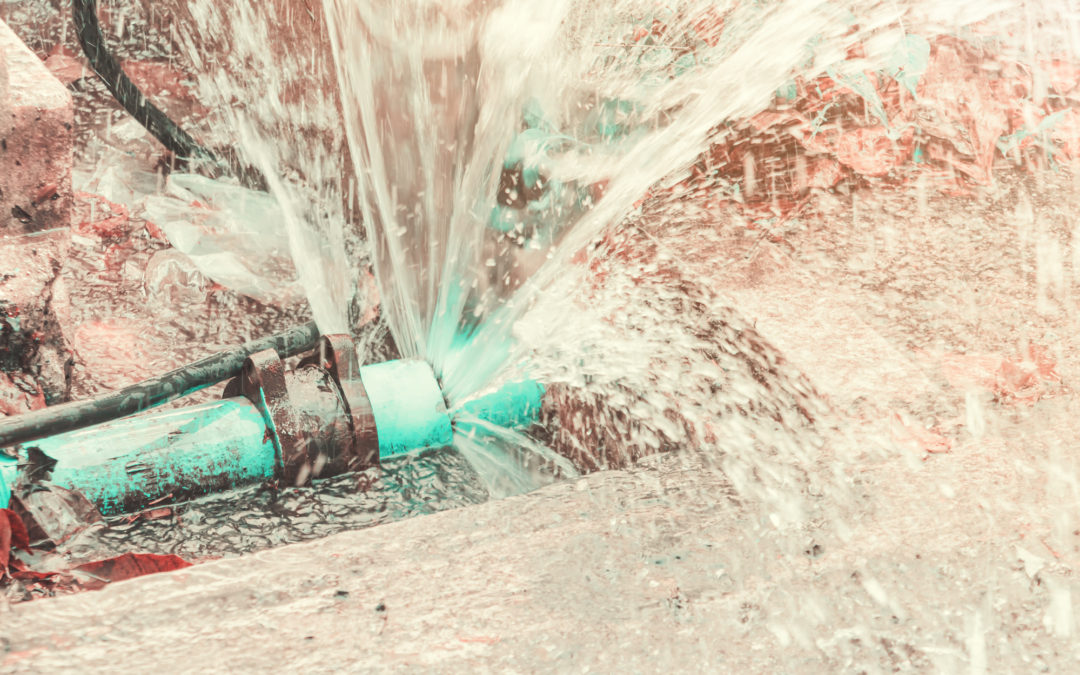
Burst pipes are a serious plumbing emergency that requires immediate attention. They can be caused by freezing temperatures, water pressure, or aging pipes. If left unattended, burst pipes can cause significant water damage to your home and lead to costly repairs.
In case of a burst pipe, it is essential to call in a professional plumber right away. They can locate the source of the leak and repair or replace the damaged pipes.
Conclusion
While some home repairs can be done on your own, plumbing problems require professional expertise. DIY plumbing can lead to further damage, flooding, and even hazardous situations. In case of plumbing emergencies or persistent issues, calling in a professional plumber is the best course of action. They have the knowledge, experience, and equipment necessary to diagnose and fix plumbing problems efficiently and safely.
If you’re experiencing a plumbing issue or need maintenance, give us a call at Ace Plumbing Repair. Our team of experts is available 24/7, with emergency services and same-day appointments. Visit our website for more information.
by Brandon | Aug 15, 2023 | Tips
In recent years, there has been a significant increase in the number of young entrepreneurs starting their own heating and plumbing businesses. This trend is particularly prevalent in smaller towns and rural areas where traditional industries have been in decline, leaving behind communities in need of basic services.
One of the reasons behind this trend is the accessibility of information and resources online. Young entrepreneurs can easily access advice and information about plumbing and heating services, as well as the latest technology and business ideas. This has made it easier for aspiring business owners to start their own businesses and provide much-needed services in their communities.
Another reason for the rise in young entrepreneurs starting heating and plumbing businesses is the growing need for these services. With an aging infrastructure and a growing population, there is a high demand for skilled professionals who can provide quality heating and plumbing services. Young entrepreneurs with a passion for the trade are stepping up to meet this demand and provide a higher level of service to their customers.
Moreover, young entrepreneurs are more innovative and technology-savvy than ever before. They are quick to adapt to new technology and adopt new business models, making them more efficient and effective than more traditional businesses. They are also more customer-centric and are more likely to use social media and other online platforms to engage with their customers and build strong relationships.
The Benefits of Starting a Heating and Plumbing Business
Starting a heating and plumbing business can be a great way to become your boss and take control of your career. Below are some of the benefits of starting a heating and plumbing business:
1. Flexibility – As your own boss, you can set your own hours and work at your own pace.
2. Profitability – A heating and plumbing business can be highly profitable, with high demand for skilled professionals and a potential for significant growth.
3. Independence – Running your own business gives you greater independence and autonomy, allowing you to make decisions and chart your own course.
4. Personal satisfaction – Providing a critical service to your community can be personally satisfying.
5. Opportunities for innovation – As a young entrepreneur, you have the opportunity to innovate and create new business models and ideas.
Steps to Starting a Heating and Plumbing Business
If you’re interested in starting your own heating and plumbing business, below are some steps to help you get started:
1. Research the industry – Conduct research on the plumbing and heating industry to understand the market, competition, and opportunities.
2. Write a business plan – Develop a business plan that outlines your vision, goals, marketing strategy, and financial projections.
3. Get licensed and certified – Obtain any required licenses and certifications to operate your business legally.
4. Build a team – Hire skilled professionals and build a team of employees or contractors to help grow your business.
5. Market your business – Develop a marketing strategy that will help you reach your target audience and build a strong brand identity.
6. Invest in technology – Invest in the latest technology to stay ahead of the competition and provide the best possible service to your customers.
Conclusion
The rise in young entrepreneurs starting heating and plumbing businesses is a positive trend that will benefit communities and the industry as a whole. With their passion, drive, and innovative ideas, these young entrepreneurs are well-equipped to meet the growing demand for skilled heating and plumbing professionals and provide quality services to their customers.
If you’re interested in starting your own heating and plumbing business, the steps outlined above can help you get started. With hard work, dedication, and a commitment to excellence, you can build a successful business and make a positive impact in your community.

 Call Now