by Brandon | Sep 1, 2023 | Tips
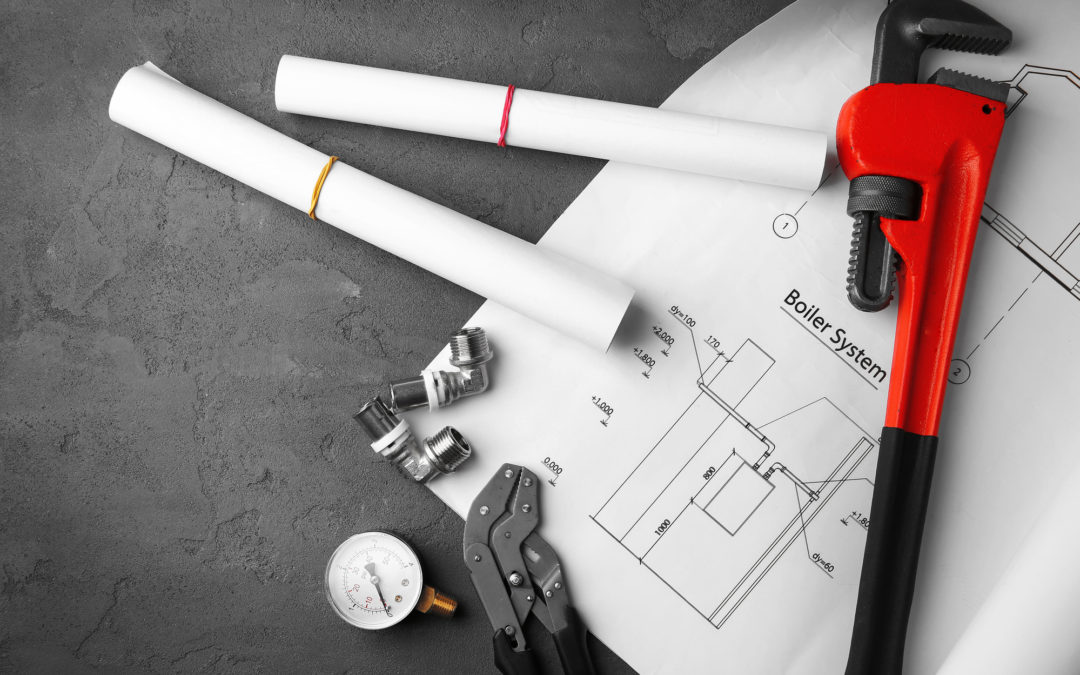
As a plumbing company, we understand the importance of providing quality service to our clients. However, this can prove to be a physically demanding job, and our plumbers often find themselves carrying heavy tools and equipment around job sites. In order to make their work more comfortable and efficient, we have implemented the use of dollies, carts, and wagons in our commercial plumbing work. In this article, we will discuss the benefits of using these tools and equipment.
Dollies: Dollies are a simple solution for carrying heavy items. They are essentially an L-shaped frame with wheels, which makes it easy to transport equipment or materials. Dollies come in a variety of sizes and shapes, such as hand-truck dollies, furniture dollies, and appliance dollies. The benefits of using dollies for plumbing work are numerous. First, they prevent physical strain and injuries, such as back pain or joint pain, which can occur from lifting heavy loads. Second, they increase efficiency and productivity, as they reduce the number of trips a plumber needs to make to move equipment or materials. Finally, they improve the safety of the work site, as they reduce the risk of accidents or injuries caused by heavy lifting.
Carts: Carts are a step up from dollies, as they have a larger carrying capacity and offer better maneuverability. Carts come in many different designs and can be used for a variety of purposes. For plumbing work, we use flatbed utility carts, which are ideal for transporting heavy pipes and other bulky items. The benefits of using carts include reducing the time it takes to complete a job, as plumbing equipment and materials can be organized on the cart for easy access. Additionally, carts can be used to transport multiple items at once, which again improves efficiency and productivity. Finally, carts can save money on labor costs, as they may reduce the number of team members needed to complete a job.
Wagons: Wagons are another option for plumbing work, especially when transporting long or awkwardly shaped items. They come in various sizes, but for plumbing work, we use a heavy-duty wagon with four pneumatic wheels, which can carry up to 1500 pounds of weight. The benefits of using wagons for plumbing work include improved efficiency and reduced fatigue for the plumber, as they reduce the need for repetitive lifting and carrying of heavy loads. Additionally, the large capacity of a wagon can cut down on the number of trips needed to move plumbing equipment and materials, thus helping to save time and increase productivity.
In conclusion, using dollies, carts, and wagons in our commercial plumbing work has provided many benefits to our plumbers and clients. These tools and equipment have reduced physical strain and injuries, increased efficiency and productivity, and improved safety on the job site. We encourage other plumbing companies to consider implementing the use of these tools and equipment to provide better service to their clients and to ensure the well-being of their team members. Don’t hesitate to contact us for commercial plumbing services at “aceplumbingrepair.com” or give us a call at “(844) 711-1590“.
by Brandon | Sep 1, 2023 | Tips
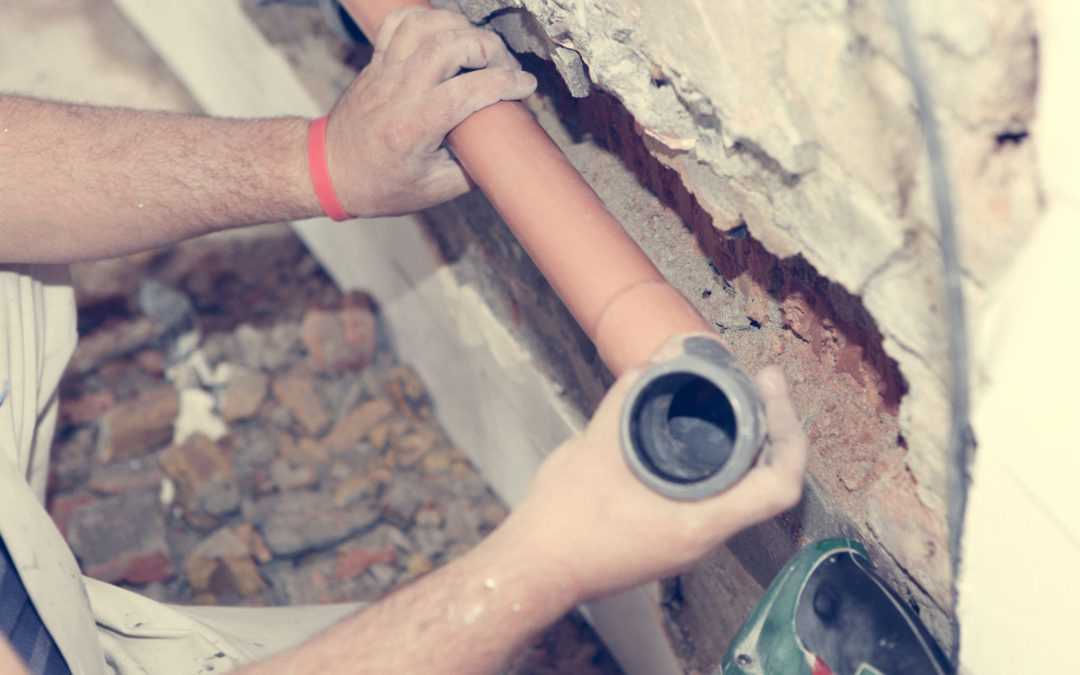
As a plumbing company, clogs and blockages are all too familiar. But what happens when it isn’t just a typical build-up in a small section of a pipe, but a large diameter pipe full of water and debris? How can you clean such a thing? Fear not; we’ve got some tips and tricks to help you out.
What Causes Obstructions in Large Pipes?
Before we dive into the steps to clean large diameter pipes, it’s essential to understand what causes obstructions in your pipes in the first place. Large pipes are used in many different ways. They are used by municipalities to transport sewage or people’s homes to transport wastewater. In either case, the pipes are continually moving large amounts of water. Over time, organic and inorganic solids begin to build up and stick together, forming blockages that impede water flow.
These blockages could be formed from mineral scales, sewage, or debris. In some instances, these blockages can cause catastrophic bursts that can lead to property damage, environmental contamination, costly repairs, and health hazards.
Fortunately, there are several ways to clean large diameter pipes without having to dig them up.
How to Clean Large Diameter Pipes Full of Water and Debris
1. Hydro Jetting
Hydro jetting is a great way to clear blockages from large diameter pipes. It is a process that involves using high-pressure water to clear pipes. Hydro jetting uses specialized equipment that blasts water at a pressure of up to 4000 psi. The water pressure is so high that it blasts away even the toughest obstructions, crusts, and deposits, and breaks up even crudest roots. Hydro Jetting is safe, environment-friendly, and can handle large diameter pipes and long distances. Hydro Jetting is best for cleaning very large diameter pipes that require high pressure to blast away obstructions in a short timeframe.
2. Chemical Cleaning
Another way to clean large diameter pipes is through the use of chemicals. Chemical cleaning involves the use of industrial strength chemicals to dissolve obstructions in pipes. The chemicals are designed to break down blockages and wash them away. Chemical cleaning is recommended for small, less severe obstructions that don’t necessarily require the use of high-pressure water or are not at a great distance.
It is always important to be cautious when using chemical cleaning. Chemicals are not only toxic but can cause severe environmental damage if they are not disposed of properly. Additionally, some chemicals can be corrosive to pipes, leading to further damage. Always talk to a professional before you attempt to use chemical cleaning on large diameter pipes.
3. Manual Cleaning
Manual cleaning involves the use of a plumber’s snake to clear obstructions in large diameter pipes. It is a labor-intensive process that requires a lot of manpower and time. The advantage of manual cleaning over other alternatives is that it is straightforward. It does not require any specialist equipment or complex processes. Nevertheless, manual cleaning can be a physically demanding task and can be difficult as the blockages might be several yards down the pipe.
4. Pipe Bursting
Pipe bursting is a method for replacing underground pipelines without the need for excavation. It involves installing a new pipe and replacing the old one by using a powerful hydraulic machine. The machine pulls the new pipe through the old pipe, breaking the old pipe as it goes. This process is effective because it not only eliminates blockages in the old pipe but also replaces it with a new one.
Conclusion
Large diameter pipes are presumably the veins of our plumbing systems, and it is essential to keep them clean and free from blockages. When it comes to cleaning large diameter pipes, the methods you choose will ultimately depend on the nature and severity of the obstruction. Hydro jetting and pipe bursting techniques provide effective and efficient cleaning for larger and extremely blocked pipes. Chemical cleaning is perfect for smaller-sized pipes and obstructions, while manual cleaning can be effective in some instances. Whatever the method, it is always important to consult a licensed, experienced plumber to ensure the pipes are appropriately cleaned and maintained for safety and environmental compliance.
For more information on professional plumbing services and plumbing repair, please visit our website, Ace Plumbing Repair, and contact us at (844) 711-1590.
by Brandon | Sep 1, 2023 | Tips
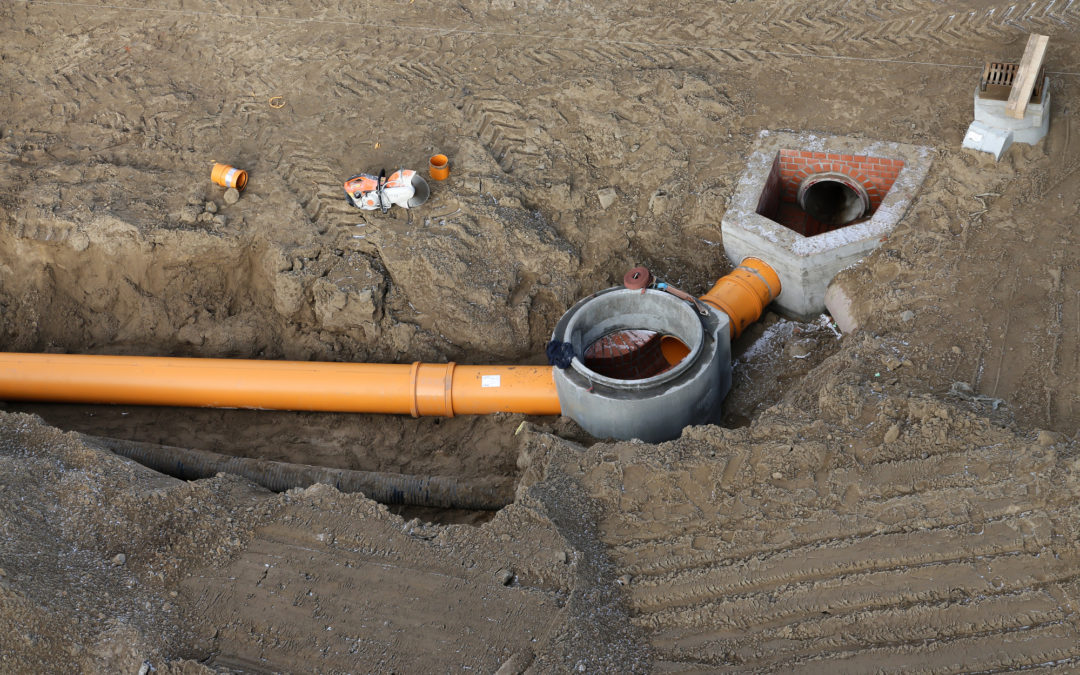
As a homeowner, one of the most significant concerns you might have is how to avoid damage to your plumbing system. Home plumbing systems are an integral part of modern living, and when you experience a malfunction, it can cause a lot of inconvenience, not to mention damage to your property. This is why it is crucial to enlist the services of a plumbing professional who can handle any plumbing issue. One such plumbing company is Ace Plumbing Repair, and in this article, we discuss how one New Jersey plumber prevented corrosive runoff from damaging a home’s plumbing system.
The client in question contacted Ace Plumbing Repair because of damaged pipes caused by corrosive runoff. He had just moved into his new home in New Jersey, excited to start a new chapter in his life. However, he noticed that the plumbing fixtures were corroded, and the water had a strange odor. Upon inspection, the plumber from Ace Plumbing Repair discovered that there was beneath the home a biochemical reaction leading to corrosive runoff.
The plumber from Ace Plumbing Repair identified the root cause of the problem and quickly jumped into action to protect the client’s home. He first shut off the water supply to the client’s home, which helped slow down the corrosion process. Next, he fixed the damaged plumbing fixtures and recommended the installation of a water treatment system to prevent any future issues with corrosive runoff.
Causes and Effects of Corrosive Runoff
Corrosive runoff is caused by a complex chemical reaction involving contact between water, air, and soil. When the pH of water is low, metals in pipes such as copper, lead, and zinc react with the water to form salts. These metal salts can then corrode pipes, leading to a buildup of mineral deposits and the eventual failure of the pipe.
Corrosive runoff can also have a significant environmental impact, contaminating groundwater and surface water and damaging aquatic life. Additionally, corrosive water can affect water quality and impact the taste of drinking water.
Effects of Corrosive Runoff on Home Plumbing Systems
Corrosive runoff has a damaging effect on home plumbing systems. The corrosion can break down the pipes’ walls, causing leaks, discolored water, and bad odors. Corrosion can also corrode metal connectors, causing leaks that can lead to water damage and mold growth. Over time, the buildup of sediment can obstruct water flow, causing low water pressure.
Preventing Corrosive Runoff
Fortunately, you can prevent corrosive runoff from damaging your home’s plumbing system. One of the best ways to prevent corrosive water from damaging your plumbing is to install a water treatment system. A water treatment system can adjust the pH of your water, eliminating the potential for corrosion. Additionally, a water treatment system can remove sediments and pollutants from your water, ensuring it is clean, safe, and free from impurities.
Another effective way of preventing corrosive water from damaging your home’s plumbing system is by Regular maintenance. Regular maintenance, such as cleaning your gutters and replacing your fixtures and pipes, can go a long way in ensuring your plumbing system operates optimally.
The plumber from Ace Plumbing Repair advised the client to implement these preventative measures and to schedule regular inspections to ensure the plumbing system was functioning optimally.
Conclusion
Corrosive runoff can be a threat to your home’s plumbing system and impact your health and the environment. It is advisable to enlist the services of a plumbing professional to handle any plumbing issue you experience. As DIY plumbing repairs may only worsen the situation, a professional plumber can diagnose and fix the problem, preventing extensive damage to your plumbing system.
Ace Plumbing Repair is a trusted plumbing company that provides exemplary services. They have a team of professional plumbers who can diagnose and fix any plumbing issue. If you need a plumbing inspection or repair, you can contact Ace Plumbing Repair. Don’t wait until it’s too late; contact the professionals today!
by Brandon | Aug 31, 2023 | Tips
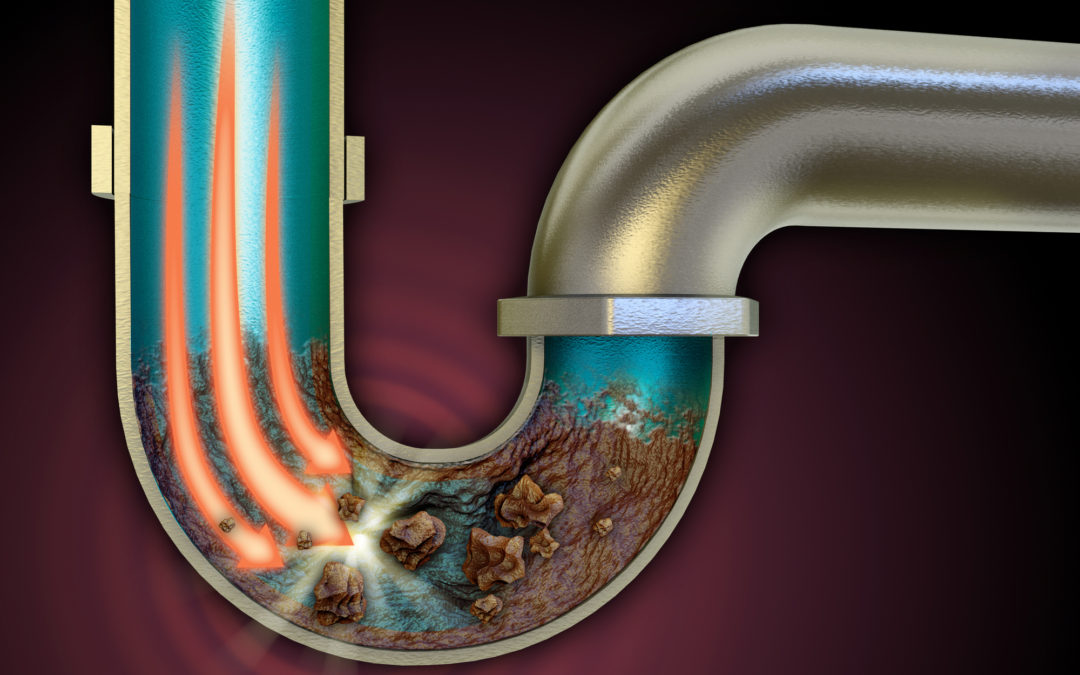
Pipe plugs are one of the essential tools in a plumber’s toolbox. They serve as temporary seals in pipes and fittings to prevent leaks or block the flow of water, gas, or other fluids. If you’re a plumber, it’s essential to know how to use pipe plugs properly to ensure their efficacy and efficiency. In this article, we’ll discuss some pipe plug best practices that plumbers need to know.
Choose the right size and type of pipe plug
The first thing to consider when using a pipe plug is choosing the right size and type for the job. Pipe plugs come in different sizes, materials, and designs to suit different pipe sizes, fluids, and pressures. Using the wrong size or type of pipe plug can result in leaks or damage to the pipe.
When selecting a pipe plug, make sure it fits snugly into the pipe or fitting without overstretching or deforming the plug. Also, consider the material of the plug, especially if you’re dealing with corrosive or high-temperature fluids. For instance, a rubber plug may not withstand the heat or chemicals present in a gas line, while a metal plug may cause galvanic corrosion when used in a copper pipe.
Prepare the pipe or fitting before using the plug
Now that you’ve chosen the right pipe plug, it’s time to prepare the pipe or fitting before inserting the plug. This step involves cleaning and drying the pipe and removing any debris or obstacles that may interfere with the plug’s sealing ability.
For example, if you’re plugging a drain line, you may need to use a drain snake to remove any clogs or buildup before inserting the plug. If you’re working on a threaded fitting, you may need to run a tap or die to clean and restore the threads’ integrity.
Install the plug according to the manufacturer’s instructions
Once you’ve prepared the pipe or fitting, it’s time to install the pipe plug according to the manufacturer’s instructions. Pipe plugs come in different designs, including mechanical, inflatable, and expandable, and require different installation procedures.
For instance, a mechanical pipe plug may require tightening a central bolt to expand the plug’s wings and create a seal around the pipe. An inflatable plug may require inflating the plug using air or water pressure to fill the space against the pipe walls and create a tight seal. An expandable plug may require inserting the plug into a special tool and expanding it to fit the pipe’s bore.
Regardless of the type of pipe plug, make sure you follow the manufacturer’s instructions carefully to avoid damaging the plug or the pipe and ensure proper sealing.
Test the plug for leaks and stability
After installing the pipe plug, you need to test it for leaks and stability before leaving the job site. Testing involves applying pressure to the pipe system, either with air or water, and checking for any signs of leakage or movement.
If the plug fails the test, you may need to tighten it, inflate it more, or replace it altogether with a better fit or type. Avoid leaving a job site without ensuring that the pipe plug is working correctly, as this can lead to costly repairs and potential hazards.
Dispose of the plug responsibly
Finally, after completing the job, you need to dispose of the pipe plug responsibly. Pipe plugs, like any plumbing product, can pose environmental and safety risks if not disposed of properly.
Check your local regulations regarding the disposal of plumbing products and follow them accordingly. For instance, some plugs may need to be recycled, while others may require special handling to prevent pollution.
Conclusion
Pipe plugs are valuable tools for plumbers to temporarily stop flows or prevent leaks, but they require proper installation and care to achieve their full benefits. When using a pipe plug, choose the correct size and type for the job, prepare the pipe or fitting, install it according to the manufacturer’s instructions, test it for leaks and stability, and dispose of it responsibly. By following these pipe plug best practices, plumbers can ensure their clients’ safety and satisfaction. If you’re looking for reliable and professional plumbing services, visit aceplumbingrepair.com or call us at (844) 711-1590.
by Brandon | Aug 31, 2023 | Tips
Winter season brings cold temperatures, snow, and ice, which can have a significant impact on your home’s plumbing system. Among the most common plumbing problems that homeowners face during winter include frozen pipes, burst pipes, and leaks, causing discomfort, inconvenience, and costly repairs. In this article, we provide essential tips to help you prevent plumbing problems and keep your home comfortable throughout the winter season.
Insulate your Pipes
One of the biggest risks during winter is frozen pipes, which can lead to burst pipes and water damage. One way to prevent your pipes from freezing is by insulating them. Use pipe insulation sleeves to cover pipes located in unheated areas such as the attic, garage, or basement. Check the insulation on your hot water heater and ensure it is adequate and in perfect condition.
Keep your Home Warm
Keeping your home warm is another way to prevent freezing pipes. Ensure you maintain your homes’ temperature above 55 degrees Fahrenheit even when you are away to prevent pipes from freezing. If you are going away for an extended period, consider turning off the main water supply and draining your home’s pipes completely.
Seal Leaks
Leaks around windows and doors can let in cold air, making your home colder and causing your plumbing to freeze. Check for any drafts and seal them off. You can use weather stripping or caulking around windows and doors to prevent cold air from leaking in.
Allow Faucets to Drip
Allowing your faucets to drip slowly when the weather is frigid can prevent pipes from freezing. This is an effective technique, especially for pipes that are located on the perimeter of your home, such as an outdoor hose bib. If pipes freeze, the constant dripping can prevent the pipes from bursting and causing water damage.
Clean Your Gutters
Clean gutters may not seem like a plumbing tip, but it is just as important as any other plumbing advice. Clogged gutters can cause water to back up and freeze, leading to ice dams. Ice dams can damage your roof and cause water to seep into your home’s walls. Ensure that your gutters are clean and free from debris before the winter season kicks in.
Check Your Sump Pump
A sump pump is an essential tool for keeping your basement dry during winter. Ensure that your sump pump is working correctly by doing a simple test before winter arrives. Pour water into the pit, and the pump should turn on and drain the water successfully. Check the discharge hose and ensure it is away from the foundation of your home and drains away from the house.
Do not Ignore Leaks
Ignoring leaks during winter can cause severe damage to your home’s plumbing system. Check for leaks around your home, including faucets in the kitchen, bathroom, and laundry room. You might also install moisture sensors to alert you when a leak is detected, giving you the opportunity to address the issue before it gets worse.
In conclusion, prevention is the key to avoiding plumbing problems during the winter season. Taking proper precautions and having regular maintenance can prevent costly repairs and ensure that your heating and plumbing systems operate as they should throughout the season. If you experience any plumbing-related issues this winter, call the experts at Ace Plumbing Repair at (844) 711-1590 or visit them at the website’s homepage “aceplumbingrepair.com” for immediate assistance.

by Brandon | Aug 30, 2023 | Tips
As the season changes, it’s time to start thinking about your fireplace and how it can be transformed into a cozy fall ambiance. With a few simple and effective fireplace revamping techniques, you can bring warmth and comfort to your home during the chilly autumn months. In this article, we’ll discuss some effective ways to upgrade your fireplace and create a comfortable, cozy environment for your family and guests.
1. Clean the Chimney
The first thing to do before revamping your fireplace is to make sure that it is clean. If your chimney is clogged with debris, it can create a hazardous situation with smoke and fumes entering your home and potentially causing health and safety problems. Therefore, it’s advisable to hire a professional chimney sweep to clean the chimney. They’ll check the chimney liner, firebox, and damper, making sure everything is in good working condition.
2. Add a Mantelpiece
Adding a mantelpiece to your fireplace is an excellent way to give a fresh look to an otherwise outdated hearth. A well-designed mantelpiece adds a classic touch to a fireplace while providing you with a pedestal to showcase your favorite items, such as family photos or decorative items that you’ve collected over the years. There are various styles of mantle pieces that you can choose, from traditional to modern styles, so go for the one that most complements the existing decor of your home.
3. Switch the Grate
Another way to enhance the appearance of your fireplace is to change the grate. Traditional grates can make your fireplace look drab, but by considering a new wrought iron or brass grate style that fits the aesthetics and carries a decorative flair can give it an updated look.
4. Switch Out the Old Screens
Swapping out your fireplace’s old screens is an easy way to give your hearth a brand-new look. Many modern fireplace screens are available in various designs, colors, and styles, ranging from sleek and contemporary to classic and traditional. Screens can also offer a more innovative solution for safety, preventing sparks and fire from spreading by acting as a barrier.
5. Repaint Your Fireplace
A simple yet effective way to revamp your fireplace is to repaint the surrounding brick or tile. You can transform your outdated, dark hearth with a fresh coat of paint by painting either by using white or light gray color, or you can choose other modern color options such as navy blue and deep red that suit your interior decor. This can be a cost-effective solution if you’re looking to freshen up your fireplace without spending much.
6. Line the Firebox with Tile
Lining the firebox with tile can be another way to make your fireplace stand out and give it more character. There are many options to consider when choosing tile, from plain classics to mosaic patterns, so feel free to choose the one that will make a unique statement about your style and preferences.
7. Upgrade the Fire Surround
Your home’s overall decor style inspires the most significant aspects of upgrading your fireplace. If you want to make your fireplace into a modern and chic focal point, or highlight when entertaining, then upgrade your fire Surround. A fire surround can be lined with tiles, wrapped in stone, or built so that it blends into the wall, creating a new, customized look you’re sure to enjoy for years to come.
8. Switch to a Gas Fireplace
If you no longer want to use your wood-burning fireplace or are looking for a more convenient option, consider upgrading to a gas fireplace. Gas fireplaces are easy to use, cost-effective, and offer a real-like flame ambiance. They come in many styles, so you’re sure to find one that suits your home’s aesthetics.
Conclusion
Transforming your fireplace into a cozy fall ambiance is a great way to add warmth and charm to your home during the cold months. From repainting to adding a mantelpiece, there are many ways to revamp your fireplace to make it the focal point of your living room. So, try out our guidelines, which aim to breathe new life into your hearth and enhance the living experience by bringing warmth and comfort into your home. Don’t forget to visit our website’s home page at aceplumbingrepair.com or give the plumbing experts a call on this number (844) 711-1590 if you need to consult any plumbing needs while making these changes.

 Call Now