As a homeowner, you want to maintain the integrity of your house by taking care of its plumbing and ensuring it is in good condition. Plumbing is one of the most critical systems in your house, and it is essential to keep it in perfect condition. In this article, you will learn how to ameliorate your house by taking care of its plumbing. We have compiled the top six tips and tricks that you can use to keep your plumbing in top condition.
1. Regularly check for leaks and drips
It is vital to check for leaks and drips regularly in your house, including faucets, pipes, and valves. A small leak or drip can cause significant damage if left unattended, leading to high water bills. Therefore, you need to check your plumbing system monthly for any leaks or drips and repair them promptly.
2. Avoid pouring grease and oil down the drain
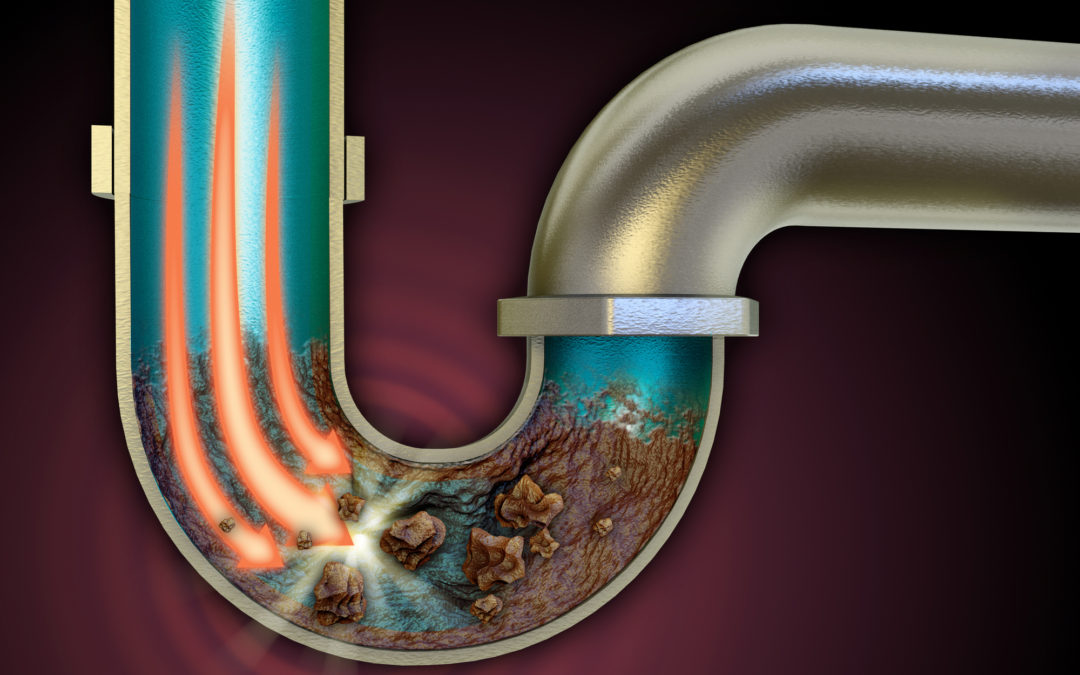
Pouring grease and oil down the drain is a significant plumbing problem that many homeowners face. Grease and oil can harden and cause blockages in your pipes, leading to backups and clogs. To mitigate this, ensure that you dispose of grease and oil in a separate container and discard it in the trash.
3. Have your water heater serviced regularly
Your water heater is an essential part of your plumbing system and requires regular maintenance to function optimally. Having your water heater serviced regularly, at least once a year, ensures that it runs efficiently, saves energy, and reduces the risk of breakdowns and leaks.
4. Install a water softener
Hard water is a common plumbing problem that can cause significant damage to your plumbing system and reduce the lifespan of your appliances. Installing a water softener helps to prevent mineral buildup and extends the life of your pipes and appliances.
5. Use drain screens
Using drain screens in your sinks and shower helps to prevent hair, soap, and other debris from getting into your pipes and causing blockages. Ensure that you clean the drain screens regularly to keep them clear and functioning correctly.
6. Hire a professional plumber
Finally, hiring a professional plumber is one of the most important steps you can take to keep your plumbing in top condition. A professional plumber has the experience, knowledge, and equipment to identify and repair any plumbing problems efficiently. Regular maintenance and check-ups from a professional plumber also help to prevent costly plumbing repairs in the future.
In conclusion, taking care of your plumbing is vital in keeping your house in good condition. Regularly checking for leaks, avoiding pouring grease and oil down the drain, having your water heater serviced regularly, installing a water softener, using drain screens, and hiring a professional plumber are vital steps in maintaining your plumbing system. By following these tips and tricks, you can take care of your plumbing effectively and efficiently. If you require any plumbing services, call the plumbing experts at aceplumbingrepair.com or (844) 711-1590.
When it comes to DIY plumbing tasks, it’s important to always practice safety first. One common practice that can lead to accidents is the improper use of ladders. That’s why in this article, we’ll be discussing the proper technique for ladder leaning and safety tips to prevent accidents.
First, always choose the right ladder for the job. Consider the weight capacity, height, and type of ladder you need. For example, if you need to reach a roof, an extension ladder is necessary. A step ladder is great for smaller tasks such as replacing light bulbs.
The next important step is to inspect the ladder before use. Check for any cracks, loose screws, or bent parts. Make sure that all parts are secure and stable.
Now, let’s talk about the proper technique for ladder leaning. Always ensure that the ladder is placed on a level surface and that the base of the ladder is secure. Use the “four-to-one” rule to determine the correct leaning angle for your ladder. This means that for every four feet of ladder height, the bottom of the ladder should be one foot away from the surface it’s leaning on.
For example, if you’re using a 16-foot ladder to reach the roof, the base of the ladder should be 4 feet away from the structure or wall it’s leaning on. This will provide stability and prevent the ladder from tipping over.
When climbing the ladder, always face the ladder and use both hands to grip the rungs. Avoid leaning or overstretching to reach your desired destination. It’s important to stay centered on the ladder and keep your weight balanced as you climb.
Now, let’s talk about ladder safety tips to prevent accidents. First, always wear slip-resistant shoes to prevent falls. Avoid using the top rungs of the ladder and never stand on the top platform or cap. This can cause the ladder to become unstable and increase the risk of falls.
Never leave a ladder unattended, especially around children or pets who may play on or around it. Lastly, if you feel uncomfortable or unsafe on the ladder, do not continue. Ask for assistance or call a professional plumber who has the proper equipment and safety training.
In conclusion, ladder safety is crucial for any DIY plumbing task. Always choose the right ladder for the job, inspect it before use, and follow the proper technique for ladder leaning. Remember to take the necessary safety precautions to prevent accidents and never hesitate to call a professional if needed. If you’re in need of plumbing services, visit aceplumbingrepair.com or call us at (844) 711-1590 for expert assistance.
Drains are an essential part of any plumbing system. They work together with pipes to ensure that water and other liquids are transported efficiently and safely. If your drains are not functioning correctly, it can result in clogs, leaks, and flooding. Therefore, understanding the different types of drains and their maintenance needs is critical to keeping your plumbing system in top shape. This article will cover seven common drain types and maintenance tips to help you keep them in good working condition.
1. Sink Drain
Sink drains are the most common type of drains in homes and commercial buildings. They are usually located in the kitchen and bathroom and are designed to carry away dirty water from sinks, dishwashers, and washing machines. Sink drains work by draining water into a trap, which keeps sewer gases from escaping into the room. The trap then leads to the sewer system. The best way to maintain sink drains is by avoiding putting food scraps and grease down your sink. This can cause blockages and lead to clogs.
2. Shower Drain
Shower drains are found in bathrooms and are designed to remove the water that comes out of showers and baths. The water goes through a drain and is transported into a pipe that leads to the sewer system. To maintain shower drains, ensure that you remove hair and soap scum regularly. A buildup of these can lead to blockages, which can cause water to back up and flood the bathroom.
3. Bathtub Drain
Bathtub drains are similar to shower drains and are designed to remove the water that comes out of bathtubs. They work the same way as shower drains and go through a drain and then a pipe that leads to the sewer system. To maintain bathtub drains, ensure that you remove hair and soap scum regularly.
4. Toilet Drain
Toilet drains are designed to transport waste from the toilet to the sewer or septic tank. They are usually larger than sink and shower drains and can become clogged with toilet paper, waste, or foreign objects. The best way to maintain toilet drains is by avoiding flushing anything other than toilet paper and human waste.
5. Floor Drain
Floor drains are commonly found in basements, garages, and other areas where water can accumulate. They are designed to remove water that has spilled or accumulated on the floor. To maintain floor drains, ensure that you clean them regularly to remove debris, dirt, and other materials that can lead to blockages.
6. Backflow Prevention Drain
Backflow prevention drains are designed to prevent contaminated water from flowing back into the potable water supply. They are commonly used in commercial buildings, especially those with chemical or industrial processes. To maintain backflow prevention drains, regular inspections and testing are required to ensure that they are working correctly.
7. Storm Drain
Storm drains are designed to remove rainwater and other surface water runoff from roads, rooftops, and other paved surfaces. They are commonly found in urban areas and are essential for preventing street flooding. To maintain storm drains, ensure that they are clear of debris and other materials that can lead to blockages.
Conclusion,
Maintaining your plumbing system can seem daunting, but it doesn’t have to be. Regularly checking and cleaning your drains can go a long way to ensuring that your plumbing system works efficiently and safely. Understanding the different types of drains in your home or commercial building and their maintenance needs can help you avoid costly repairs and keep your plumbing system in excellent working condition.
If you need help maintaining or repairing your drains, contact Ace Plumbing Repair at (844) 711-1590 or visit our website at aceplumbingrepair.com. Our experts can help you with any plumbing issue you may have, from clogged drains to water heater repair.
As the winter season spreads its icy grip across the country, households around the United States are ensuring their homes are prepared for the harsh weather conditions. From installing weatherstripping to cleaning gutters, homeowners are ticking off items on their winter preparation checklists. However, one issue that can often be overlooked is the potential damage caused by snowfall accumulation around plumbing systems in the house.
When the snow begins to pile up, plumbing fixtures and piping susceptible to freezing temperatures can cause a myriad of concerns that every homeowner should be aware of. Your home’s plumbing system is crucial to its functionality, and leaving it exposed to freezing winter weather is not a risk one should take. That’s why, in this article, we will share some tips on how to prevent damage to your plumbing system during winter.
Firstly, it’s important to note that water pipes are most likely to freeze when the outside temperature drops below 32 degrees Fahrenheit. When the temperature falls below this level, water inside pipes can freeze. This is concerning because water expands when it freezes, and if the pressure of the expanding water exceeds the pipes’ strength, the pipes may burst, causing significant damage to your home.
To avoid this, ensure that all exposed pipes, including those in basements, crawl spaces, attics, and outside walls, are wrapped with installation. Foam insulation is perhaps the most readily available and effective option for homeowners to keep exposed pipes from freezing. A good insulation blanket will help trap heat in the pipes, keeping them from freezing.
Another common winter plumbing issue is when snow and ice accumulate around outside drains, leading to clogged pipes. This buildup causes water to back up and potentially leak causing extensive water damage to your home. The easiest solution to avoid this is snow removal, ensure that snow piles are not blocking away drainage points. This may seem like a simple task, but it’s much easier to prevent snow buildup instead of having to deal with damaging water leaks later on.
It’s important to note that even if you wrap your pipes, and snow and ice are removed, other impacts of extreme cold can have serious implications for your plumbing system. For example, if power outages occur during an intense winter storm, heating systems can malfunction, and they’re left even just for a few hours; it could cause the indoor temperature to drop, which is dangerous for your plumbing system.
To mitigate this, ensure that your home is fitted with a backup generator and it is serviced regularly to avoid potential breakdowns in the middle of extreme winter conditions. Alongside your generator, it’s important that you have heat running within your home even if you aren’t home to avoid your indoor pipes from freezing.
In conclusion, winter is a season of treacherous elements of cold, snow, and ice, which can have devastating impacts on your home’s plumbing system. As a homeowner, it is crucial to take measures towards keeping your pipes and fixtures safe from freezing weather conditions. Simple steps like ensuring your pipes are insulated, removing snow around drains, and having a generator on standby can prevent potential damages to your home and your plumbing system. By taking proactive steps like these, homeowners can assure the uninterrupted functioning of their plumbing system during even the most extreme winter climates.
Remember, snow removal and maintenance of your plumbing system before the frosty cold hits can save you both financially and in energy costs. If you would like a professional plumber to help you with your winter preparation or if you already have a plumbing issue, call our experts at Ace Plumbing Repair today at (844) 711-1590, and we’ll be happy to assist you.
Landscaping is an essential aspect of any home or commercial building. It adds value to the property and makes it more beautiful. However, homeowners and business owners need to be aware that landscaping done incorrectly can lead to plumbing problems. Before beginning any landscaping upgrades or improvements, it is best to keep in mind the following reminders:
1. Check for leaks
One of the primary reasons that plumbing problems arise is because of leaks. Broken pipes, cracks in the foundation, or water infiltration in the surrounding soil can cause significant damage if left unchecked. A sprinkler system or hose connected to an outdoor faucet may seem like a minor inconvenience, but it can lead to costly repairs and water waste.
Before you start landscaping, make sure to check for leaks in your plumbing system. Then, check for leaks in your sprinkler system. You may need to hire a plumber or sprinkler technician to help with these inspections.
2. Plan the irrigation system
Landscaping requires irrigation to ensure that greenery thrives. The right amount of water is essential to maintaining plant health, but too much water can compromise the soil and the integrity of your plumbing system.
It is crucial to plan the irrigation system ahead of time. Start by mapping out your underground pipes, then determine which areas will need irrigation. Will you be using drip irrigation or a sprinkler system? What kind of soil is in the area you want to plant? Is there adequate drainage in the landscaping? These questions need to be answered to keep the plumbing system function well.
3. Be mindful of planting
When planning landscaping, it is worth considering the types of plants that you want to use. Trees, shrubs, and other plants have extensive root systems that can damage pipes, causing leaks or even complete blockages.
When planting trees or large bushes, you should keep them well away from your home or commercial building’s foundation. You might also need to consult experts regarding the distance between these roots and plumbing lines. Certain tree species can grow aggressively and send roots much farther away than expected.
4. Use the right mulch
Mulch is an excellent way to improve soil health and grow healthy plants. However, not all types of mulch are created equal. Some types of mulch, like cypress mulch or cedar mulch, can attract termites. Termites can wreak havoc on plumbing systems and cause extensive damage.
When choosing mulch, opt for a non-wood-based and non-termitic type of mulch. Organic mulches like shredded leaves, grass clippings, compost, or wood chips without the tree bark are great alternatives. These types of mulch can serve the same purpose, enriching the soil but without putting your plumbing system at risk.
5. Practise Proper Waste Disposal
It is necessary to dispose of garden waste properly. Incorrect disposal of yard waste can cause significant damage to the plumbing system, not to mention the environment. Recycling, composting, or disposing of leaves, yard clippings, and tree trimmings for free disposal services are recommended. These practices should be followed to preserve the health of the lawn and the local ecosystem.
Final Thoughts,
Landscaping upgrades and improvements are a great idea that benefits the aesthetics and value of your property. It can be a wise investment to hire professionals to consult on this matter. However, the plumbing system should be a significant concern before beginning any landscaping work. It is best to keep in mind the reminders mentioned above to avoid any plumbing-related problems. A well-planned landscaping upgrade would make for a beautiful final product that’s both healthy and functional. Your plumbing system should complement your landscaping, not compromise it.
E.ON, the multinational energy company based in Germany, is leading a consortium to pilot “heat and energy as a service” (HEaaS) in the UK. The initial trial will take place in a large residential development in Nottingham. This innovative service model will revolutionize the way we consume energy. It is aimed at providing customers with a more convenient and cost-effective solution for heating and electricity consumption.
Under this new service model, customers will no longer need to purchase and maintain heating systems or generation equipment. Instead, they will pay a regular fee for the energy they require, with the option of increasing or decreasing their consumption based on their needs. E.ON will be responsible for the installation, maintenance, and overall management of the heating and energy systems.
What does this mean for the plumbing industry?
Now, you may be thinking, what does this have to do with the plumbing industry? Well, residential heating and energy systems typically rely on a combination of heating, ventilation, and air conditioning (HVAC) systems, boilers, and plumbing infrastructure. E.ON’s new model will undoubtedly disrupt the industry, requiring a new approach to installation, repair, and maintenance of the plumbing and HVAC systems.
The HEaaS model will prioritize energy efficiency, leading to a reduction in carbon emissions and cost savings for customers. This shift in focus will require new plumbing technologies and energy-efficient products to match the energy-efficient building designs of residential projects. As a result, the plumbing industry will need to invest in new training, tools, and technologies to integrate and maintain the latest technologies in energy-efficient plumbing systems.
The HEaaS model also reinforces the idea of technical experts handling residential plumbing systems and HVAC components. As previously mentioned, under this new model, E.ON will be responsible for the installation and maintenance of heating systems. It highlights the importance of hiring certified and licensed plumbers and HVAC technicians to ensure plumbing systems and HVAC components’ appropriate installation and service.
Finally, the HEaaS model will require a shift in the plumbing industry’s approach to providing services. Providers will need to prioritize preventative maintenance—for example, regularly checking for leaks and other issues that could lead to an increase in energy consumption. Providers must maintain a proactive approach to ensure systems are well-maintained and fulfill the customers’ requirements.
The Future of Plumbing and HEaaS
E.ON’s HEaaS pilot is an exciting development for the plumbing and HVAC industry. It provides an opportunity for energy savings, carbon-neutral living, and a streamlined solution for heating and energy consumption. The HEaaS system is still in its early stages; however, it’s clear that it is set to revolutionize the way we consume energy. The plumbing and HVAC industry must adapt to the new technology and provide a reliable service standard to ensure that customers can access the latest technology without compromising the quality of their plumbing systems.
In conclusion, E.ON’s pilot project for HEaaS is a significant step towards a sustainable and affordable supply of energy for residential properties. Although it seems like a futuristic concept, it’s not far off. This new model of service provision will require the plumbing industry to adapt its services and techniques, ensuring they can provide a reliable and efficient plumbing solution to complement the new heating and energy systems.
Therefore, it’s essential that plumbing companies and technicians alike invest in energy-efficient technologies and training, and develop new approaches to maintenance. The HEaaS model is an opportunity for the plumbing industry to be at the forefront of energy efficiency, providing their customers with the best possible heating and energy solutions.


 Call Now