The old 4” cast iron sewer drain hub is an essential component of many plumbing systems today. This hub helps to connect the main sewer line with other pipes in the system, allowing waste and other materials to flow freely through the system. However, these hubs can become damaged or corroded over time, which can lead to serious problems.
If you are experiencing problems with your old 4” cast iron sewer drain hub, it is important to address the issue quickly before it leads to more serious problems. Here are some tips and tricks for dealing with this issue.
First, it is important to understand what the old 4” cast iron sewer drain hub is and how it works. This hub is typically located on the main sewer line, which is the pipe that carries waste and water out of your home or building and into the municipal sewer system. The hub connects the main sewer line to other pipes in the system, such as those leading to sinks, toilets, and other plumbing fixtures.
Over time, the old 4” cast iron sewer drain hub can become damaged or corroded, leading to leaks, clogs, and other problems. This can happen due to a variety of reasons, including heavy usage, exposure to harsh chemicals or materials, and simply due to age and wear and tear.
One of the most common problems associated with old 4” cast iron sewer drain hubs is leaks. These leaks can occur due to a variety of reasons, including cracks in the hub or the pipe, or due to the corrosion of the metal. When these leaks occur, they can cause water damage to your home or building, and can even lead to the growth of mold and other harmful substances.
Another common problem associated with old 4” cast iron sewer drain hubs is clogs. These clogs can occur due to a variety of reasons, including the buildup of grease and other materials in the pipe, or due to foreign objects getting lodged in the pipe. These clogs can cause serious problems, including backups and flooding, which can cause significant damage to your home or building.
If you are experiencing problems with your old 4” cast iron sewer drain hub, it is important to address the issue quickly. Here are some tips and tricks for dealing with this issue.
First, if you suspect that you have a leak in your old 4” cast iron sewer drain hub, it is important to locate the leak quickly. This can be done by inspecting the pipe and the hub for cracks or other signs of damage.
Once you have identified the location of the leak, you will need to repair the problem. This can be done by using a variety of techniques, including soldering, clamping, or using an epoxy sealant. It is important to ensure that the repair is done correctly to prevent future leaks from occurring.
If you suspect that you have a clog in your old 4” cast iron sewer drain hub, it is important to address the issue quickly. One of the most effective ways to clear a clog is by using a plumbing snake or a hydro-jetting machine. These tools can help to break up the clog and clear the pipe, allowing water and waste to flow freely through the system.
In some cases, it may be necessary to replace your old 4” cast iron sewer drain hub entirely. This is typically done if the pipe has become severely damaged or corroded. When replacing the hub, it is important to choose a high-quality replacement that is designed to last for many years.
Ultimately, dealing with an old 4” cast iron sewer drain hub can be a complex and challenging process. However, by understanding the issue and taking the appropriate steps, you can ensure that your plumbing system is operating smoothly and efficiently. If you are experiencing problems with your old 4” cast iron sewer drain hub, it is important to contact a professional plumber for assistance. They can help you identify the issue, and provide you with the tools and expertise necessary to repair or replace the hub as needed.
In conclusion, if you are experiencing problems with your old 4” cast iron sewer drain hub, it is important to address the issue quickly to prevent further damage. By understanding the issue and taking the appropriate steps, you can ensure that your plumbing system is operating smoothly and efficiently. Remember to always consult with a professional plumber when dealing with these types of issues to ensure that the repair or replacement is done correctly. And if you are in the need of plumbing services, don’t hesitate to contact Ace Plumbing Repair at (844) 711-1590 or visit our website at aceplumbingrepair.com for more information.
As we age and grow older, our needs and abilities change, and our homes need to accommodate these changes. One of the most important areas where modifications may be necessary is the plumbing. Aging-in-place means living in your own home in comfort, safety, and independence, and ensuring that your plumbing is working properly is essential. There are several plumbing upgrades that can be made to help seniors live in their homes as they age. Here are five plumbing upgrades that are especially beneficial for aging-in-place.
1. Walk-in Bathtubs
Bathtubs can be dangerous for seniors with mobility issues, and stepping over the side of a traditional tub can be a challenge. This can lead to falls and other accidents. Walk-in bathtubs provide a safer option by allowing seniors to enter through a door and sit comfortably in the tub. The door is also water-sealed and includes a safety latch. These bathtubs can be designed with a variety of features, such as grab bars and non-slip surfaces, to increase safety.
2. Comfort-Height Toilets
Toilets pose another challenge for seniors due to their low height, which can make it difficult to sit down and stand up. Comfort-height toilets provide a solution by being higher, making it easier for seniors to use them without straining their knees. This type of toilet can also include features such as grab bars for added safety and stability.
3. Handheld Showerheads
Bathing can be difficult for seniors with limited mobility, but a handheld showerhead can provide additional flexibility and ease of use. With a handheld showerhead, seniors can direct the flow of water without having to move around as much or put themselves in potentially dangerous positions. Handheld showerheads can also be adjusted to different heights for added convenience.
4. Motion-Sensor Faucets
Turning faucets on and off can be a challenge for seniors with arthritis or other mobility issues. Motion-sensor faucets provide a solution by automatically turning on and off when someone puts their hands under the faucet. This type of faucet not only provides added convenience, but it can also help conserve water and reduce the spread of germs.
5. Water Filtration Systems
As we age, our immune systems weaken, and we become more susceptible to infections and illnesses. A water filtration system can help seniors remove impurities and contaminants from their tap water, ensuring that they are consuming clean and safe water. This type of system can also help improve the taste and smell of the water, making it easier to drink.
Conclusion
Aging-in-place is a goal for many seniors, and it’s important to ensure that their plumbing is up to date and accommodating to their needs. These are just a few of the many plumbing upgrades that can be made to help seniors live in their homes safely, independently, and comfortably. If you or a loved one is in need of plumbing upgrades for aging-in-place, please contact Ace Plumbing Repair at (844) 711-1590 or visit our website at aceplumbingrepair.com for more information.
When it comes to plumbing fixtures, faucets play an important role in functionality and aesthetics. Not only do they control the flow of water, but they can also add a touch of style to any sink. However, with so many different types of faucets available, it can be hard to decide which one is right for your needs.
In this article, we will explore the different types of faucets and discuss their unique features and benefits. By the end, you should be able to name your faucet with confidence and maybe even score yourself a cookie!
1. Ball Faucets
Ball faucets are one of the most common types of faucets and are recognizable by the single lever on top of the spout. These faucets use a ball bearing to control the flow and temperature of the water. They are simple to operate and allow for precise temperature control, making them a popular choice for kitchens and bathrooms.
2. Cartridge Faucets
Similar to ball faucets, cartridge faucets use a lever to control the flow of water. However, instead of a ball bearing, they use a cartridge to regulate the water flow. These faucets are known for their durability and longevity and come in both single-handle and double-handle varieties.
3. Compression Faucets
Compression faucets are one of the oldest types of faucets and are recognizable by the two handles on either side of the spout. These faucets work by compressing a rubber washer against a valve seat to control the flow of water. While they are reliable and easy to repair, they can be prone to leaks and require more maintenance than other types of faucets.
4. Disc Faucets
Disc faucets are a newer type of faucet and are known for their sleek design and durability. These faucets use a pair of ceramic discs to control the flow and temperature of the water. They are easy to operate and are low-maintenance, making them a popular choice for modern bathrooms and kitchens.
5. Sensor-Activated Faucets
Sensor-activated faucets are a high-tech option that eliminates the need for handles altogether. These faucets use a motion sensor to detect when you place your hands underneath the spout, and they automatically turn on and off. They are a popular choice for commercial bathrooms because they are hygienic and conserve water, but they can also add a modern touch to residential bathrooms.
6. Touchless Faucets
Touchless faucets are similar to sensor-activated faucets but require a brief touch on the handle to turn on the water. These faucets are another popular choice for commercial bathrooms and are becoming more common in residential bathrooms as well. They are hygienic, easy to use, and offer water-saving benefits.
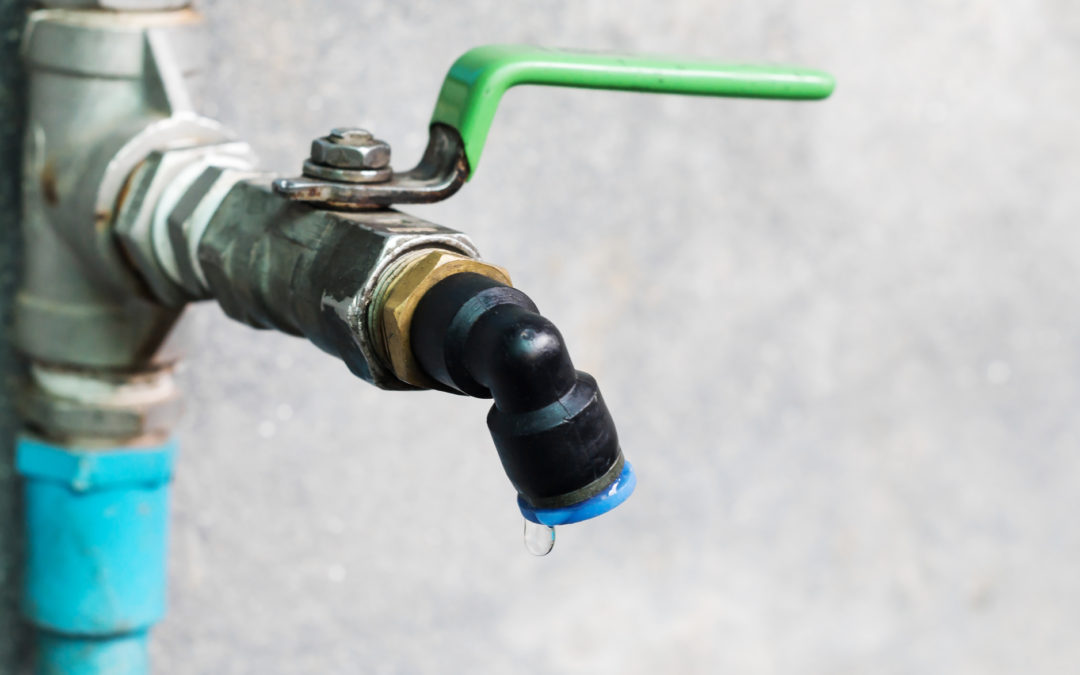
Regardless of which type of faucet you choose, it’s important to hire a licensed plumbing professional for installation and maintenance. Ace Plumbing Repair offers a wide range of plumbing services and can help you choose the right faucet for your needs. Give us a call at (844) 711-1590 or visit our website at aceplumbingrepair.com to learn more about our services. And, if you can name the type of faucet in the picture below, we’ll even throw in a cookie!
Everyone wants to save on energy bills these days. With rising energy costs, it’s important to find ways to reduce your energy use and costs. One way that homeowners can reduce their energy bills is through electrical upgrades. Upgrading your electrical system can help you save money on your energy bills by reducing your energy use. Here are five ways to reduce your energy bill with electrical upgrades.
1. Upgrade Your Lighting
Upgrading your lighting is a great way to reduce your energy use and costs. Replacing your incandescent bulbs with LED bulbs can reduce your lighting energy use by up to 75%. LED bulbs use around 80-90% less energy than incandescent bulbs and last much longer. They also produce less heat, which can help reduce your cooling costs in the summer.
Another way to upgrade your lighting is to install dimmer switches. Dimmer switches allow you to adjust the light output in a room, which can help reduce your energy use and create a more comfortable atmosphere in your home.
2. Install Smart Thermostats
Smart thermostats are another great way to reduce your energy bills. They allow you to control your heating and cooling systems from your smartphone, tablet or computer. This means you can adjust the temperature in your home even when you’re not there. Smart thermostats are also great for scheduling your heating and cooling, so you can avoid heating or cooling an empty home. This can save you up to 10% on your energy bills.
3. Upgrade Your Electrical Panel
Upgrading your electrical panel can also help reduce your energy bills. Older electrical panels are not as efficient as newer ones, which can lead to wasted energy. Upgrading to a new electrical panel can improve the efficiency of your electrical system, which can help reduce your energy bills.
4. Install Energy-Efficient Appliances
Replacing your old appliances with newer, energy-efficient ones is another great way to save on energy bills. Energy-efficient appliances use less energy than older, non-efficient models. Look for appliances with the ENERGY STAR label, as these are the most energy-efficient ones on the market.
5. Install Solar Panels
Solar panels are becoming more and more popular for homeowners who want to reduce their energy bills. They convert sunlight into energy, which you can use to power your home. Solar panels are a great way to reduce your energy bills, as you can use the energy they produce to power your home instead of relying on the grid. They also help reduce your carbon footprint, which is great for the environment.
Conclusion
There you have it, five ways to reduce your energy bill with electrical upgrades. Upgrading your lighting, installing smart thermostats, upgrading your electrical panel, installing energy-efficient appliances, and installing solar panels are all great ways to reduce your energy use and costs. If you’re interested in reducing your energy bills, contact your local plumbing services company to learn more about how you can upgrade your electrical system today. Remember to visit aceplumbingrepair.com or give the plumbing experts a call at (844) 711-1590 to learn more.
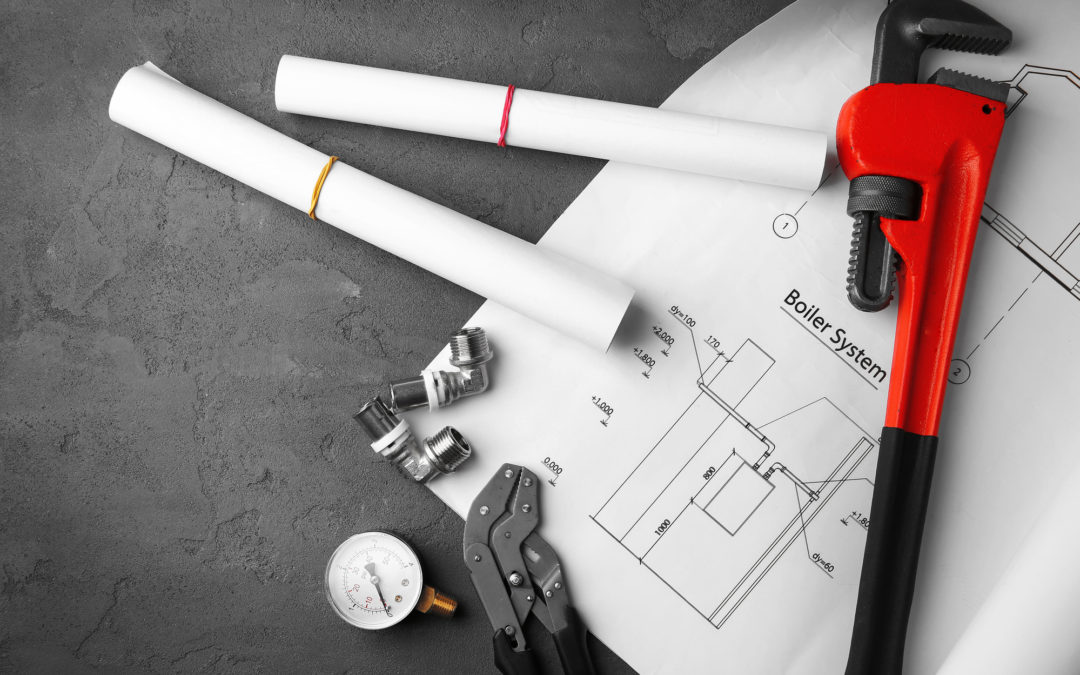
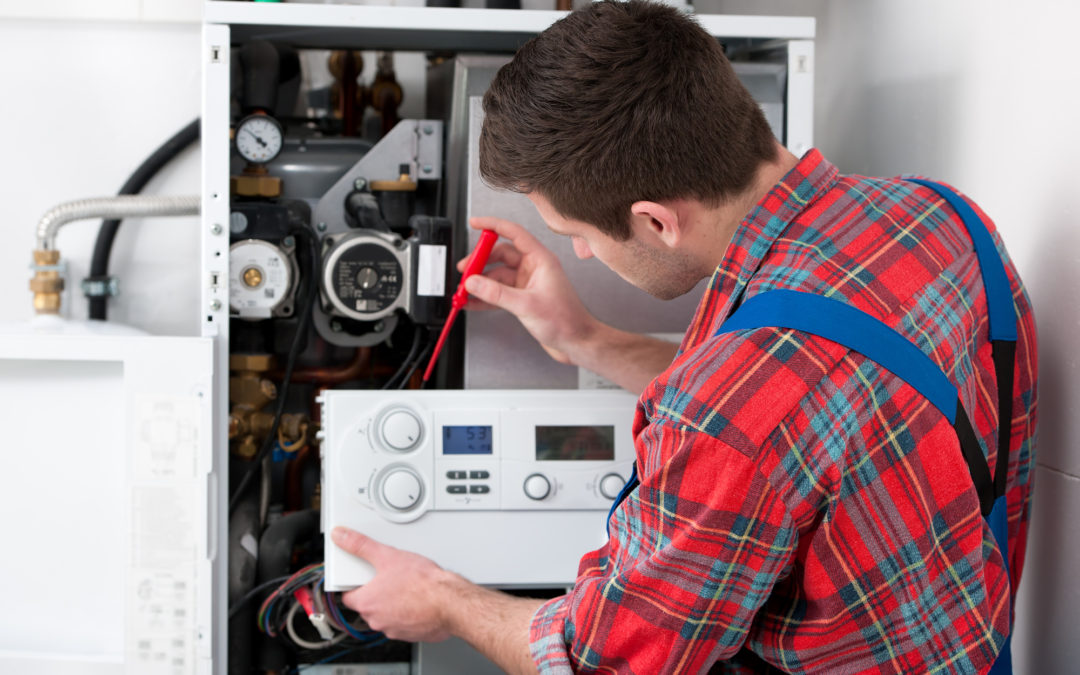
Boilers are an essential component of any home’s heating system, and they play a crucial role in keeping us warm and comfortable, especially during the winter months. However, despite their importance, many homeowners don’t fully understand how boilers work or how they are maintained. In this article, we will explore the basics of boiler plumbing theory and provide you with everything you need to know about this important plumbing system.
The Basics of Boilers
Boilers are closed containers that are designed to heat water to produce steam or hot water for various residential or commercial uses. They work by burning fuel – such as oil, natural gas, or propane – to generate heat, which is then used to heat water in the boiler. The hot water or steam produced by the boiler then circulates through your home’s radiators, radiant floor systems, or other heating devices to provide heat.
Types of Boilers
There are several types of boilers available on the market today, each with its unique features and advantages. The most common types of boilers include:
1. Conventional Boilers: These are traditional boilers that are designed to heat water in a storage tank. They are available in gas, oil, or electric models.
2. System Boilers: These are similar to conventional boilers but do not have a storage tank. They work by heating the water directly, making them more efficient than conventional boilers.
3. Combi Boilers:These are compact and easy-to-install boilers that combine both your home’s heating and hot water supply. They are ideal for homes with limited space for a separate hot water tank.
Boiler Plumbing Components
Boilers are comprised of several essential components, including:
1. Burners: These are responsible for igniting and burning the fuel to produce heat.
2. Heat Exchanger: This is where the heat generated by the burners is transferred to the water.
3. Water Pump: This circulates the hot water or steam throughout the heating system.
4. Expansion Tank: This is designed to handle the expansion of water as it heats up, preventing damage to the system.
5. Pressure Relief Valve: This valve releases excess pressure in the system to prevent damage and ensure safe operation.
Common Boiler Plumbing Problems
Like any other plumbing system, boilers may experience problems from time to time, which may reduce their efficiency or lead to complete failure. Some common boiler plumbing problems include:
1. Leaks: This is one of the most common boiler plumbing problems. Leaks may occur due to worn-out seals, ruptured pipes, or corroded fittings.
2. Pressure Problems: Boilers need to operate at a certain pressure to work optimally. If the pressure is too high or too low, it may lead to system failure.
3. Blockages: Blockages may occur in the heat exchanger, water pumps, or pipes, leading to reduced efficiency or complete failure.
4. Ignition Failure: Boilers need fuel to ignite and operate. Issues with ignition systems or fuel delivery may cause the boiler to fail to operate.
Maintaining Your Boiler Plumbing System
Regular boiler maintenance is essential for the optimal performance and longevity of your heating system. Some maintenance tips to keep your boiler plumbing system running efficiently include:
1. Cleaning: Regularly clean the heat exchanger, pipes, and other components to remove dirt, debris, or mineral buildup that may reduce the efficiency of the system.
2. Flushing: Flushing the system helps remove sediment buildup, ensuring optimal heat transfer.
3. Inspections: Regular inspections help identify problems early and prevent costly repairs or replacements.
4. Tune-ups: Regular tune-ups help ensure that your boiler’s burner and ignition systems are working as efficiently as possible.
Conclusion
Boiler plumbing is a crucial component of any home or business’s heating system. Understanding how boilers work, maintaining them properly, and taking care of any issues can improve efficiency, reduce costs, and prolong the lifespan of your system. If you’re experiencing any issues with your boiler plumbing system, reach out to the plumbing experts at AcePlumbingRepair.com or call us at (844) 711-1590 for reliable, efficient, and affordable boiler repair and maintenance services in your area.
Due to the increasing demand for rental properties in Los Angeles, property management has become a competitive field. Maximizing rental income is crucial for landlords, and one way to do this is by ensuring that the plumbing systems in their properties are functioning well. Issues like leaking pipes, clogged drains, faulty water heaters, and broken toilets can not only lead to frustration for tenants but also result in high repair costs for landlords. Here are some effective plumbing strategies that landlords can employ to maximize their rental income.
1. Preventative Maintenance
Preventative maintenance is an effective way to minimize plumbing problems and ensure that the plumbing systems in the rental property are functioning at optimal levels. Regular checkups and inspections help to identify, prevent, and resolve any plumbing issues before they become big problems. This includes checking water pressure, looking for leaks, examining pipes for corrosion, checking for visible signs of wear and tear, and ensuring that all fixtures are working correctly.
2. Efficient Water Heaters Water heaters are an essential component of any plumbing system. For landlords, investing in energy-efficient water heaters can help reduce energy usage and lower costs for both tenants and the landlord. Installing tankless water heaters or hybrid water heaters can go a long way in improving efficiency without compromising on comfort.
3. Water-Saving Fixtures
Installing water-saving fixtures such as low-flow showerheads, faucet aerators, and dual-flush toilets can help reduce water consumption. Using water-saving fixtures is an eco-friendly and cost-effective way to lower water bills without compromising on water pressure or performance. These fixtures not only help save tenants’ money but also improve the overall efficiency of the plumbing system.
4. Professional Plumbing Services
Landlords should have access to a reliable plumbing service provider that offers 24-hour emergency services. Professional plumbing services can help landlords quickly respond to any plumbing issues, preventing small problems from turning into major repairs that are more expensive to fix. Regular inspections and maintenance can help detect potential plumbing issues before they escalate, saving landlords both time and money in the long run.
5. Education for Tenants
Not all plumbing issues require professional intervention. Minor plumbing issues such as clogged toilets and slow drains can be quickly fixed by tenants themselves. However, tenants may not know how to handle these types of issues correctly. Landlords can provide educational materials like brochures and posters to tenants to help them recognize and solve minor plumbing problems.
6. Regular Cleaning
Regular cleaning of the plumbing system can help prevent major clogs and blockages. Tenants should be encouraged to clean shower drains and sinks regularly to prevent hair and debris from accumulating. Property managers should also consider scheduling regular plumbing cleaning services to remove mineral build-up and other debris.
7. Insulated Pipes
Insulated pipes help prevent pipes from freezing during cold winter months. Frozen pipes can cause significant damage to the plumbing system and lead to expensive repairs. Insulated pipes also help prevent heat loss, improving the efficiency of the plumbing system.
In Conclusion
Effective property management strategies for landlords in Los Angeles must include a focus on plumbing systems. Preventative maintenance, efficient water heaters, water-saving fixtures, professional plumbing services, tenant education, regular cleaning, and insulated pipes are all critical to ensuring the maximum rental income. By investing in these plumbing strategies, landlords will make their properties more appealing to tenants, reduce repair costs, and ultimately maximize their rental income. For all plumbing needs, Ace Plumbing Repair is the go-to team of experts to help guarantee you run a successful rental property business. Call us today to schedule your preventative maintenance checkup!


 Call Now