As a homeowner, it’s essential to ensure that your plumbing systems work efficiently to avoid any potential problems. One of the most critical components of your plumbing system is the drainage system. A clogged or slow-draining pipe can cause significant inconveniences, water damage, and even health hazards. That’s where drain cleaning services come in handy.
But how do you know if you need drain cleaning services? Below are the five signs to help you spot these problems.
1. Slow Draining Sinks And Tubs
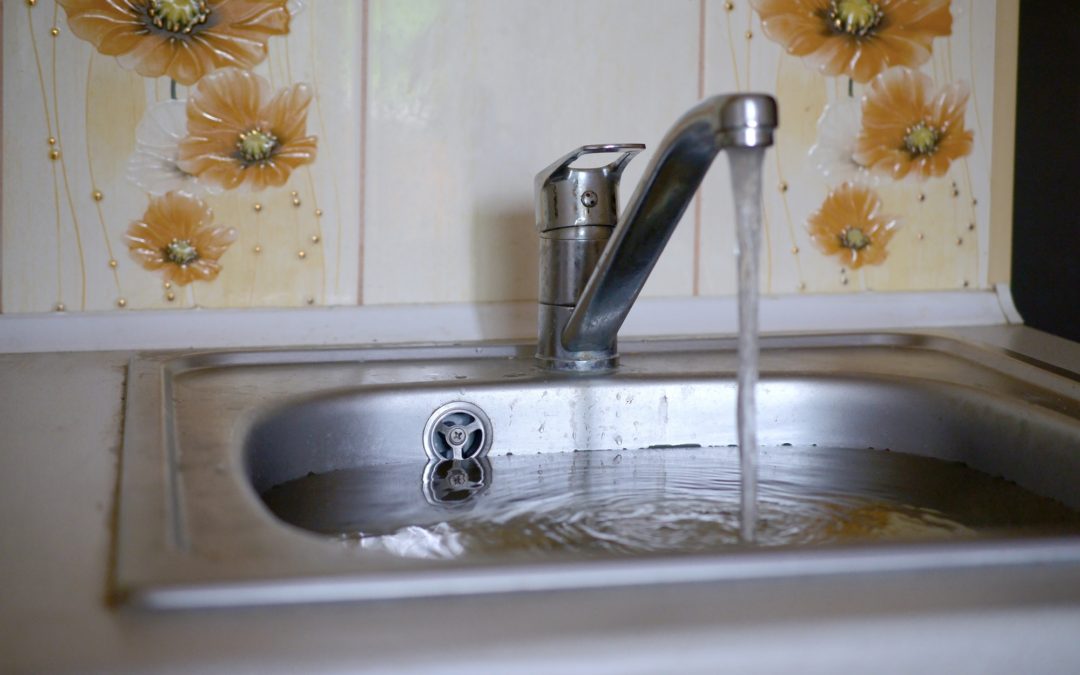
A slow-draining sink or tub is one of the most apparent signs that your pipeline system requires cleaning. If you notice that your sink or tub is taking longer than usual to drain, it could indicate a clogged pipe that requires professional cleaning.
2. Foul Smelling Drains
Another sign that you need drain cleaning services is the presence of unpleasant odors emanating from your drains. The smell could be coming from food debris, soap scum, or other particles trapped inside the pipes.
3. Multiple Clogs In Different Fixtures
If you’re experiencing clogs in multiple fixtures, including your showerhead, toilet, sink, or tub, it’s likely an indicator that you have a significant blockage in your plumbing system. In such instances, it’s crucial to get drain cleaning services as soon as possible before the problem escalates.
4. Noisy Drains
Gurgling and bubbling sounds coming from your toilet, sink, or bathtub could indicate a clog in the drain. These sounds usually occur when water tries to pass through the congested pipe.
5. Water Backing Up
Finally, if you notice water backing up into your sink or tub after the water runs, it could be an indication of a severe clog in the pipeline. Such clogs can be challenging to remove, and you should contact a professional plumber to get drain cleaning services.
Conclusion
Your home’s drainage system plays a crucial role in ensuring that plumbing systems work efficiently and effectively. When you notice any of the above signs, you should act quickly to avoid potential health hazards, water damage, and other inconveniences. Contact a professional plumbing company such as Ace Plumbing Repair to get the necessary drain cleaning services.
If you need any plumbing services in the USA, feel free to contact Ace Plumbing Repair at (844) 711-1590 or visit our website aceplumbingrepair.com for more information. Our experienced plumbers are always ready to help you with any plumbing repair, installation, or maintenance needs.
Drain stoppers are a common plumbing fixture used to control the flow of water in a sink or bathtub. Although they are small and simple devices, drain stoppers can sometimes get stuck, causing frustration and inconvenience for homeowners. One common problem with drain stoppers is when they get stuck in a brass fitting.
If your drain stopper is stuck in a brass fitting, don’t panic. There are several steps you can take to remove it safely and quickly without causing any damage to your plumbing system. In this article, we will discuss some tips and tricks for removing a drain stopper that is stuck in a brass fitting.
1. Turn off the Water
The first step in removing a stuck drain stopper is to turn off the water supply. Locate the shut-off valves under the sink and turn them clockwise to close them. Then, turn on the faucet to release any remaining water in the sink or bathtub.
2. Remove the Drain Stopper Knob
The next step is to remove the knob on the top of the drain stopper. Most drain stoppers have a screw in the middle that holds the knob in place. Use a screwdriver to loosen and remove the screw, then lift off the knob.
3. Loosen the Brass Fitting
Once you have removed the knob, you can begin to loosen the brass fitting. Use a pair of pliers to grip the fitting and turn it counterclockwise. If the fitting is stuck, you may need to use a lubricant such as WD-40 to help loosen it.
4. Remove the Drain Stopper
Once the brass fitting is loose, you can remove the drain stopper. Carefully pull the stopper up and out of the drain. If it is still stuck, you may need to apply more lubricant and use a pair of pliers to gently wiggle it free.
5. Clean the Drain
After removing the drain stopper, take the opportunity to clean any debris or buildup from the drain. You can use a plumbing snake or a wire hanger to remove any clogs or blockages.
6. Reassemble the Drain Stopper
Once you have cleaned the drain, it’s time to reassemble the drain stopper. Make sure the rubber gasket is in place and then insert the stopper back into the drain. Reattach the brass fitting and turn it clockwise to tighten it in place. Replace the knob and screw, and turn on the water supply.
Conclusion
Removing a drain stopper stuck in a brass fitting can be tricky, but it’s not impossible. By following these simple steps, you can safely and effectively remove the stopper without causing any damage to your plumbing system. Remember to always turn off the water supply and use caution when working on plumbing fixtures. If you are unsure about any step in the process, don’t hesitate to contact a plumbing professional for assistance. For all your plumbing needs, visit our website at aceplumbingrepair.com or give us a call at (844) 711-1590. Our experienced plumbers are available 24/7 to assist you with all your plumbing needs.
It can be a frustrating experience to discover that your hot water is lukewarm when you turn on the tap. This can be especially problematic during the winter months when you need hot water to shower and wash your hands, dishes, and clothes. If you’re experiencing this issue, there are several possible reasons why your hot water isn’t as hot as it should be. Here are six reasons why your hot water is lukewarm and what you can do about it.
1. Your Water Heater Is Set Too Low
The temperature of the hot water coming from your tap is directly related to the temperature setting on your water heater. If your water heater is set too low, it can result in water that is lukewarm instead of hot. The ideal temperature setting for most water heaters is between 120 and 140 degrees Fahrenheit. To increase the temperature of your water, you can adjust the thermostat on your water heater or consult the user manual for your specific model.
2. Sediment Buildup in Your Water Heater
Over time, mineral deposits and sediment can accumulate in your water heater’s tank. This buildup can reduce the efficiency of your water heater and cause lukewarm water. Flushing your water heater once a year can help prevent sediment buildup and ensure that your water heater is functioning correctly. If you’ve never had your water heater serviced professionally, it might be time to schedule a maintenance visit.
3. Faulty Heating Element
If you have an electric water heater, two heating elements are responsible for heating the water. If one of the heating elements is faulty, it can cause lukewarm water. A professional plumber can diagnose and replace any faulty heating elements in your water heater.
4. Broken or Malfunctioning Thermostat
Your water heater’s thermostat is responsible for regulating water temperature. If your thermostat is broken or malfunctioning, it can prevent your water heater from heating water to the desired temperature. A professional plumber can diagnose and replace any faulty thermostats in your water heater.
5. Leaking Water Heater
A leaking water heater can result in not only lukewarm water but also an increased risk of property damage. A leaking water heater can cause flooding, wall damage, and other costly repairs. If you suspect that your water heater is leaking, it’s essential to schedule a repair or replacement as soon as possible to prevent further damage.
6. Increased Hot Water Usage
If your family has recently grown or you’ve had guests staying at your home, you may be experiencing lukewarm water due to increased hot water usage. When multiple people are using hot water at once, it can cause the hot water to run out faster than usual. Installing a larger water heater or a tankless water heater can help prevent this problem in the future.
Conclusion
If you’re experiencing issues with lukewarm water, it’s essential to diagnose the problem as soon as possible to prevent further damage. A professional plumber can help diagnose and repair any problems with your water heater and ensure that you have hot water when you need it. Call Ace Plumbing Repair at (844) 711-1590 for fast, reliable plumbing services and hot water solutions.
As the old saying goes, “out of sight, out of mind.” This adage rings especially true when it comes to your roof. In most instances, we tend to overlook our roof until something goes wrong, such as a leak or a breach that compromises your shelter from the elements. At such times, we’re forced to turn to professional roofers.
If you’re in the process of searching for a roofer, it can be difficult to know which contractor to choose. In this article, we provide five essential questions to ask when choosing a roofer to ensure that you work with the right contractor for your needs.
1. Are you licensed and insured?
The first question you should ask any roofer is whether they’re licensed and insured. A reputable roofing contractor will be happy to provide you with their license and insurance information. If the contractor is unable to provide proof of insurance and license, this should serve as a red flag and you should consider looking for another roofing contractor.
2. What do your past clients say about your work?
In today’s age of technology, it’s never been easier to get feedback on a roofing contractor you’re considering hiring. Before signing on the dotted line, take the time to read online reviews left by past clients. Reading reviews on websites such as Google, HomeAdvisor, and Angie’s List will provide you with an accurate image of the roofer’s work and whether they’re a trustworthy contractor.
3. How long will the job take to complete?
It’s important to have a clear understanding of how long the roofing job will take to complete. This includes both the estimated timeline for completion as well as the potential delays you may encounter. A well-established roofing contractor will be able to provide you with a clear timeline and also has the experience to navigate unexpected surprises efficiently to ensure that your roofing job is completed on time.
4. What materials do you use?
It’s essential to know the type of materials a roofing contractor uses on their jobs. A good roofing contractor sources high-quality materials as they understand that built-to-last materials play a vital role in the long-term success of your roofing job. They should also be able to explain to you why they prefer the materials they use in their projects.
5. What is the total price and payment schedule for the roof installation?
When choosing a roofing contractor, it’s crucial to consider the cost of the entire project. Your chosen contractor should provide you with a detailed breakdown of all costs, including labor charges, any materials used, and whether it’s on an hourly or fixed rate. Moreover, a trustworthy roofer will have a clear payment schedule, and you shouldn’t pay for the entire project upfront.
So, there you have it; five essential questions to ask when choosing a roofer. By asking these questions upfront, you can help ensure that you’re working with a reputable contractor capable of providing high-quality service. Good luck, and remember, a good roofer will always be happy to answer all of your questions.
Have you ever been in your house and heard a strange, rattling noise coming from your plumbing? This could be caused by a phenomenon known as “waterpipe vibration.” Waterpipe vibration occurs when water flows through a pipe and creates vibrations that cause the whole system to shake and rattle. While this may seem like a minor annoyance, the vibration can cause damage to your pipes and fittings, leading to leaks and more significant plumbing issues. In this article, we will discuss the causes of waterpipe vibration and the solutions to fix it.
The Causes of Waterpipe Vibration Waterpipe vibration can be caused by a variety of factors, but the most common cause is water hammer. Water hammer occurs when water flows rapidly through a pipe and then suddenly stops, causing a shockwave that travels through the system. The shockwave can cause the pipe to vibrate, leading to the rattling noise.
Another cause of waterpipe vibration is loose fittings or pipes. Over time, pipes can become loose due to changes in temperature and movement caused by water flow. This movement can cause the pipes to vibrate and rattle against other objects, such as walls or floors.
Finally, the water supply pressure can also cause waterpipe vibration. If the water pressure is too high, it can cause the pipes to vibrate and shake, leading to the rattling noise.
Now that we have talked about the causes of waterpipe vibration, let’s discuss the solutions to fix it.
Solutions to Waterpipe Vibration
The best solution for waterpipe vibration is to install a water hammer arrester. A water hammer arrester is a device that is installed on the water supply line and absorbs the shockwave created by water hammer. By absorbing the shockwave, the device prevents the pipes from vibrating and rattling.
Another solution for waterpipe vibration is to secure loose pipes and fittings. This can be done by adding additional supports or hangers to the system. By securing the pipes and fittings, the vibrations and rattling noise will be reduced.
Finally, if the water supply pressure is too high, a pressure-reducing valve can be installed on the water supply line. The valve will reduce the pressure of the water entering the system, preventing the pipes from vibrating and rattling.
Conclusion
Waterpipe vibration can be a frustrating and damaging problem for your home’s plumbing system. By understanding the causes of waterpipe vibration and the solutions to fix it, you can prevent the vibrations and rattling noise from occurring. Remember to call a licensed plumber to install any devices or make any necessary repairs. If you have any questions or concerns about waterpipe vibration or any other plumbing issue, please visit our website at aceplumbingrepair.com or give us a call at (844) 711-1590. We are here to help you with all of your plumbing needs.
Dan Holohan is a well-respected name in the plumbing industry. He is renowned for his vast knowledge and expertise in the field. One of the things that Holohan emphasizes the most is the importance of training and educating oneself on the equipment one works on. In this article, we will discuss why Holohan’s emphasis on training and education is so crucial for plumbing professionals.
Training and education lead to better performance
One of the primary reasons why training and education are essential for plumbing professionals is that it helps them perform better. When a plumber has a thorough understanding of the systems they work on, they’re less likely to make mistakes. They’ll know how to diagnose and fix problems more efficiently, which saves time and money, both for themselves and their clients. It also ensures that the work is done correctly, which can lead to a better reputation for the plumber and their company.
Keeping up with new technology
As technology constantly evolves, so do the systems and equipment used in plumbing. It’s crucial that plumbers stay up-to-date on the latest developments to ensure they’re working with the most efficient and reliable equipment. This is especially important when it comes to green plumbing solutions, as they require specific knowledge and expertise. By making the effort to learn about new technology, plumbers can provide more comprehensive services to their clients and stay at the top of their game.
Complying with regulations
Another reason why training and education are essential for plumbing professionals is to comply with regulations. Plumbers must adhere to strict guidelines and codes to ensure their work is safe and legal. Staying up-to-date with changes to these regulations can be challenging, but it’s necessary to avoid penalties, fines, and legal trouble. Having a thorough understanding of the requirements also ensures that plumbers can provide their clients with the most compliant and top-quality services possible.
Improving customer relations
When it comes to retaining clients, excellent customer service is crucial. Plumbing professionals who take the time to educate themselves about the systems they’re working on often have a better rapport with their clients. Clients appreciate plumbers who take the time to explain their work, answer questions, and offer tips for preventative maintenance. Providing this type of service builds trust and can lead to repeat business and referrals.
Increasing job opportunities
Finally, training and education can lead to more job opportunities. Plumbers who invest in themselves by learning new skills and techniques have a better chance of standing out in a crowded market. They’re more likely to be chosen for bigger jobs and can even become top consultants in their field. In addition, clients are more likely to refer plumbers who demonstrate exceptional knowledge and expertise.
In conclusion, Dan Holohan’s emphasis on training and educating oneself on the equipment one works on is crucial in the plumbing profession. Staying up-to-date on the latest developments, complying with regulations, providing excellent customer service, and increasing job opportunities are just a few of the benefits that come with investing in oneself. Plumbers who make the effort to learn and grow in their field are setting themselves up for long-term success and ensuring that they provide clients with the best possible services.


 Call Now