by Brandon | Jun 15, 2023 | News
Winter season is usually beautiful and magical, but it can also cause damage and inconvenience to our homes. One of the most common problems during winter is frozen pipes. Frozen pipes can burst and cause water damage, so it should be dealt with immediately. Here are some expert tips on how to deal with frozen pipes in winter.
1. Turn off the Main Water Supply
The first thing you should do when you realize that your pipes are frozen is to turn off the main water supply valve. This will prevent the water from flowing and causing more damage when the pipes break. The valve is usually located in the basement or the utility room. Make sure that everyone in the house knows where the valve is located.
2. Open the Faucets
Next, you should open the faucets connected to the frozen pipes both hot and cold. This will relieve the pressure in the pipes and give the water somewhere to flow when it begins to thaw. Leave the faucets open so that the flowing water can help to melt the ice inside the pipes.
3. Apply Heat to the Pipes
You can apply heat to the frozen pipes using a variety of methods. If you have a hairdryer, you can use it on the high setting to blow hot air directly on the frozen section of the pipe. A heating pad or a hot towel wrapped around the pipe can also work. In extreme cases, you may need to use a propane torch to melt the ice.
4. Use Hot Water to Thaw Pipes
Try to pour hot water on the affected area. This is a less risky option than using a torch and can help thaw the ice clogging the pipe. You can start with warm water and gradually increase the temperature.
5. Turn up the Heat
Turning up the heat in your home can help to warm up the pipes and melt the ice. If you have a space heater, place it near the frozen pipe, and direct the heat towards the area.
6. Make Sure the Pipes Are Running Again
Once the ice has thawed, make sure that the pipes are running as usual. Turn off all the faucets and turn the main water supply back on. Check the pipes to make sure there are no leaks and that they are functioning correctly.
7. Call a Professional Plumber
If you’re unsure about dealing with frozen pipes, it’s best to call a licensed and experienced plumber. A plumber will have the proper tools and equipment to diagnose and repair any damage. They can also give you advice on how to prevent frozen pipes from happening in the future.
Prevention is key when it comes to frozen pipes, so here are some tips to prevent them from happening in the first place:
1. Insulate Pipes
Pipes that are located in unheated areas such as the attic, garage, and crawl space, should be insulated to protect them from the cold weather. You can use heat tape or foam insulation to do this. It’s important to seal any gaps where cold air could enter.
2. Keep Your Home Warm
Keeping your home warm during the winter months can prevent pipes from freezing. You can do this by setting the thermostat to at least 55°F, even when no one is in your home. Open the cabinet doors under sinks to allow warm air into the space where pipes are located.
3. Let the Faucet Drip
Allowing the faucet to drip slightly can relieve pressure in the pipes and prevent them from freezing. Moving water is less likely to freeze than still water.
In conclusion, frozen pipes in winter can cause severe damage to your home. The moment you notice frozen pipes, turn off the main water supply, open the faucets, apply heat to the pipes, use hot water to thaw the pipe, turn up the heat, and make sure the pipes are running again. Remember to prevent frozen pipes by insulating your pipes, keeping your home warm, and letting the faucet drip. When in doubt, call a professional plumber to help you deal with the problem. If you need plumbing services, visit our website aceplumbingrepair.com or call us at (844) 711-1590.
by Brandon | Jun 15, 2023 | News
The plumbing industry has gone through significant changes in recent years. Plumbing companies are applying innovative and advanced techniques in their services. NuFlow’s CCUV Push/Pull-In-Place pipe lining is one such technique that can improve plumbing service productivity, efficiency, and customer satisfaction.
During a plumbing inspection, plumbers come across multiple issues that require prompt attention. Clogs, leaks, and cracks can be challenging to repair if the plumber cannot access the damage area. This is where the CCUV Push/Pull-In-Place pipe lining comes in handy. NuFlow’s patented system allows certified plumbers to repair damaged pipes without the need for excavation or demolition.
Although this technique is not new, there have been significant improvements over the last few years. The installation process is more straightforward, cost-effective, and faster than traditional pipe repair methods. Here’s a closer look at this innovative solution.
What is Push/Pull-In-Place Pipe Lining?
Push/Pull-In-Place pipe lining is a revolutionary solution for repairing damaged pipes without excavation or demolition. The Push/Pull-In-Place method involves inserting a liner with a flexible inner layer into the damaged pipe, then inflating it to fix any cracks, clogs, or leaks in the pipe.
NuFlow’s CCUV (Cured-In-Place-Piping Under Continuous Video) comes with an additional patented step. After the liner has been placed into the pipe, a camera is inserted to ensure a correct alignment. The pipe liner is then cured with heat, steam, or UV light to harden in place, offering a new, long-lasting pipe within the old pipe.
Advantages of NuFlow’s CCUV Push/Pull-In-Place Pipe Lining:
1. Cost-Effective
The CCUV Push/Pull-In-Place pipe lining is less expensive than traditional pipe repair methods. The liner used is flexible, durable, and resistant to punctures, abrasions, and chemicals. It can withstand environmental factors, including temperature and pressure, making it a cost-effective and durable solution.
2. Non-Invasive
Traditional plumbing repairs often involve digging and excavation, demolishing walls, and breaking down floors. The CCUV Push/Pull-In-Place technique eliminates the need for such invasive procedures. This makes the solution ideal for commercial and residential plumbing repairs, as it ensures no disruptions to businesses or homes, offering the option to keep things running as usual.
3. Fast Turnaround
Traditional pipe repair methods can take days to complete, resulting in property damage, interrupted business operations, or discomfort for residents. With NuFlow’s CCUV Push/Pull-In-Place pipe lining, repairs can be completed quickly and efficiently, often in a day.
4. Environmentally Friendly
Traditional pipe repair methods involve excessive excavation, demolition, and use of heavy equipment, leading to environmental degradation and damage. The CCUV Push/Pull-In-Place technique requires minimal excavation, making it an environmentally friendly alternative.
5. Durable and Long-Lasting
The CCUV Push/Pull-In-Place pipe lining is made of high-quality materials that are durable and long-lasting, ensuring that new pipes won’t crack, leak, or corrode. The liner is also resistant to chemicals and environmental factors, reducing the chance of future repairs.
Conclusion
NuFlow’s CCUV Push/Pull-In-Place pipe lining is an innovative and advanced technique that can improve productivity, efficiency, and customer satisfaction. The solution eliminates the need for invasive demolition and excavation processes, reducing property damage, or disruptions to business and homes. With high-quality and cost-effective materials, repairs can be completed quickly, efficiently, and with minimal impact on the environment. Plumbing companies looking to increase their productivity, customer satisfaction, and revenue streams should highly consider using NuFlow’s CCUV Push/Pull-In-Place pipe lining.
If you’re looking for a reliable plumbing company that values productivity and efficiency, Ace Plumbing Repair is an excellent choice. Visit our website at aceplumbingrepair.com or give us a call at (844) 711-1590 to learn more about our services, including NuFlow’s CCUV Push/Pull-In-Place pipe lining.
by Brandon | Jun 15, 2023 | News
As a plumbing services company, it is important to have a great team leader that can effectively manage and motivate the team to provide exceptional services to customers. The right team leader can help improve customer satisfaction, increase employee morale and productivity, reduce turnover rates, and ultimately help the business grow.
But how do you pick a great team leader for your plumbing services company? Here are some tips to help you in the process.
1. Look for someone with experience
Experience is an important factor when it comes to choosing a team leader. Look for someone who has experience managing a team or leading a project. They should also have knowledge and experience in the plumbing industry.
2. Assess their leadership skills
Leadership skills are a must-have for a team leader. Look for someone who has strong communication skills, is approachable, and able to motivate and inspire the team. They should also be able to handle conflicts and make tough decisions when necessary.
3. Evaluate their technical skills
While leadership skills are important, technical skills are also essential in the plumbing industry. Look for someone who has knowledge and experience in plumbing techniques and equipment. This will help them understand the team’s work and provide guidance and support when needed.
4. Consider their personality and work style
Team leaders should be able to work well with others and be a good fit for your company’s culture. Look for someone who is positive, adaptable, and able to handle stress well. They should also be able to lead by example and set a high standard of quality and professionalism.
5. Check their references
Before making a final decision, be sure to check the candidate’s references. Speak with former colleagues or supervisors and ask about their leadership skills, work ethic, and ability to work well with others.
Once you have selected a team leader, it is important to provide them with the support and resources they need to be successful. This includes training, coaching, and regular feedback. Encourage them to communicate regularly with the team and be available to answer questions and provide guidance.
By incorporating these popular plumbing topics into your services, you can provide exceptional services to your customers and differentiate your business from competitors. Remember, having a great team leader is just the beginning of building a successful plumbing services company. It takes hard work, dedication, and a commitment to providing exceptional customer service.

by Brandon | Jun 15, 2023 | News
As the United States’ plumbing industry faces a significant labor shortage, various states are considering measures to expand their licensed plumber pool. Some of these measures include easing the restrictions and requirements for licensure and opening the doors to ex-felons. While some may see these initiatives as a viable solution to the workforce crisis, others raise questions about safety and consumer protection.
One of the main aspirations of legalizing ex-felons in the plumbing trade pertains to equal opportunity. In 2018, President Donald Trump signed the First Step Act, which allows non-violent ex-offenders an opportunity to gain employment in various trades, including plumbing. Conversely, critics of the program argue that legalizing ex-felons increases the risk of fraud and subpar quality of work.
So, is it safe for consumers to hire ex-felons as plumbers? The answer is multifaceted. Here are some factors to consider.
Background Checks
The majority of states that have introduced measures to expand the licensed plumber pool to ex-felons still require license applicants to undergo background checks. In Texas, for instance, ex-felons must meet the same application requirements as others, including passing exams and preliminary background checks. However, the Texas plumbers’ licensing board reviews each application on a case-by-case basis. Therefore, despite easing the restrictions, the state still maintains some licensing standards.
Elsewhere, Nevada allows individuals convicted of non-violent or non-sexual offenses to apply for contracting licenses. However, the state’s board of examiners must approve their applications and conduct criminal background checks. Additionally, the state trains licensees on ethics and business practice, emphasizing honesty, transparency, and integrity.
Thus, if states offer licenses to ex-felons, they must ensure that they do not pose a risk to the public. This means that the licensing agency should have stringent standards for applicants and both initial and ongoing background checks.
Trade Training
Ex-felons who want to join the licensed plumbing trade must complete specific training programs and fulfill on-the-job experience requirements. In most states, licensed plumbing contractors undergo apprenticeship programs that last at least four years. During the apprenticeship, the trainees receive both formal coursework and practical training, learning about plumbing codes, blueprint reading, and pipe fittings, among other fundamental plumbing concepts.
Most states also mandate that apprentice plumbing contractors work under a licensed master plumber to gain supervised on-the-job experience. This practical experience ensures that the trainee understand state codes and safety regulations and can independently identify plumbing problems and devise safe and effective solutions.
Therefore, if ex-felons receive the same training and apprenticeship, they’ll benefit from rigorous education that emphasizes quality work and safety. This would build trust and mitigate the risk of fraudulent activities.
Licenses and Insurance
All states require licensed plumbing contractors to carry liability insurance and maintain their licenses. This insurance provides financial protection for homeowners when unusual accidents caused by plumbing contractors occur. Hence, if an ex-felon receives plumbing contracts and obtains a license, the licensing board must ensure they also have adequate liability insurance.
However, the challenge is that some ex-felons may find it difficult to get liability insurance because of their criminal history, which may limit their ability to operate as licensed plumbing contractors. It’s vital to examine the relevant laws governing licensing and insurance in different states to know how restrictions or ease of acquiring insurance plays a role.
Consumer Protection
Ex-felons getting licensed as plumbers has created controversy regarding consumer safety and protection. Some argue that these measures put homeowners’ safety at risk because ex-convicts are more likely to conduct fraudulent plumbing work.
Proponents of the program, on the other hand, assert that the initiative offers ex-felons opportunities to earn an honest livelihood without the need to revert to past life. Additionally, these people may not have other means to earn a living, which may lead to recidivism, thereby increasing the likelihood of harm to society.
Therefore, as a homeowner, it is essential to exercise caution when evaluating plumbing contractors, regardless of their criminal histories. Ensure that you check their license and liability insurance and ask for references. Likewise, check with local consumer protection agencies and the Better Business Bureau for any complaints or feedback.
Conclusion:
In conclusion, as states consider expanding licensed plumber opportunity to ex-felons, it raises questions regarding consumer protection and public safety. While the proposition is commendable, the licensing agencies must create mechanisms to ensure that ex-felons have adequate training, meet the same licensure requirements as non-criminal counterparts, and provide adequate liability insurance.
Moreover, homeowners must exercise caution when choosing licensed plumbing contractors, regardless of their criminal histories. Check their licensing validity, experience, insurance coverage, and feedback from previous customers. This way, homeowners can actively contribute to maintaining public safety and ensuring quality work standards in the plumbing industry. For plumbing services that deliver quality, professional services you can count on 24/7, give Ace Plumbing a call today at (844) 711-1590.
by Brandon | Jun 15, 2023 | News
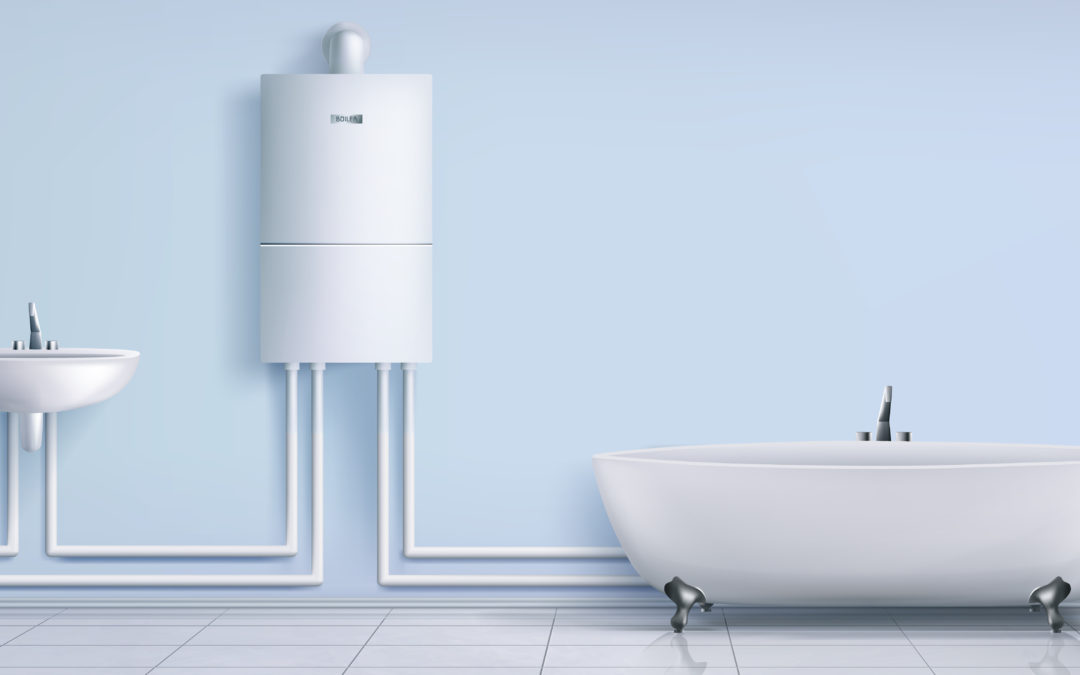
According to industry experts and market trends, there has been a significant increase in demand for residential tankless water heaters over the past few years, as homeowners look for ways to reduce energy consumption and save money on their monthly utility bills. Tankless water heaters operate differently than traditional storage water heaters, which can store and heat large amounts of water, resulting in costly standby heat losses.
Tankless water heaters, on the other hand, only heat water when necessary, providing an efficient and cost-effective solution for heating water in the home. In this blog post, we will explore the benefits of tankless water heaters and why they are becoming increasingly popular among homeowners.
The benefits of tankless water heaters
1. Energy efficiency – Tankless water heaters are highly energy-efficient, as they only heat water when it is needed, avoiding standby heat loss associated with traditional storage water heaters. This can result in significant cost savings on energy bills over the long term.
2. Space-saving – Tankless water heaters are much smaller and more compact than traditional storage water heaters, making them ideal for installation in tight spaces, such as small closets or utility rooms.
3. Longer lifespan – Tankless water heaters have a longer lifespan than traditional storage water heaters, which can last for 10-15 years. Tankless water heaters, on the other hand, can last for up to 20 years or more with proper maintenance.
4. Unlimited hot water supply – With a tankless water heater, homeowners can enjoy an unlimited and continuous supply of hot water, without having to wait for a storage tank to refill after use.
Why 2022 is a great year to upgrade to a tankless water heater
As we move into 2022, there are several reasons why now is a great time to consider upgrading to a tankless water heater in your home. Firstly, tax credits are available to homeowners who install energy-efficient appliances in their homes, including tankless water heaters. This can result in significant cost savings for homeowners who make the switch.
Furthermore, there has been an increase in innovation and technology in the tankless water heater market, resulting in improved efficiency and performance. New features such as Wi-Fi connectivity and smartphone apps now allow homeowners to monitor and control their tankless water heaters from anywhere, making it easier than ever to manage and optimize energy usage.
Lastly, the global pandemic has resulted in many homeowners spending more time at home, resulting in increased demand for on-demand hot water for cooking, cleaning, and bathing. Tankless water heaters provide an effective and efficient solution to this increased demand, ensuring that homeowners never run out of hot water when needed.
In conclusion, tankless water heaters are becoming increasingly popular among homeowners for their energy efficiency, space-saving capabilities, longer lifespan, and unlimited hot water supply. With tax credits available to homeowners for installing energy-efficient appliances, increased technology and innovation in the tankless water heater market, and increased demand for on-demand hot water due to the global pandemic, 2022 is a great year to consider upgrading to a tankless water heater in your home. For more information or to schedule a consultation, contact our plumbing experts at Ace Plumbing Repair at (844) 711-1590 or visit our website at aceplumbingrepair.com.
by Brandon | Jun 15, 2023 | News
The winter months can be tough on a water heater. It has to work harder to produce the same amount of hot water as it does during the warmer months. The constant cycle of heating and cooling can take its toll on even the best water heaters in the market. One of the most common issues that homeowners experience with their water heaters during the winter is sputtering on startup. This can be a frustrating issue to deal with, but it is usually easy to fix with a little bit of know-how.
In this article, we will look at Lochinvar Armor sputters on startup and what you can do about it. We will explore the reasons why this happens and what preventive measures you can take to avoid this problem in the first place. We will also look at some troubleshooting methods that you can use if your Lochinvar Armor water heater is sputtering on startup.
What causes sputtering on startup?
There are several reasons why your Lochinvar Armor water heater may sputter on startup. One of the most common reasons is air in the lines. When the water heater sits idle for a period of time, air can become trapped in the lines. This air can prevent water from flowing smoothly through the system, resulting in a sputtering sound when you turn on the hot water tap.
Another reason why your water heater may sputter on startup is a clogged pilot or gas valve. If the pilot or gas valve is dirty or clogged, it can prevent the water heater from starting up properly. This can cause it to sputter or even fail to start altogether.
Finally, the most common reason for a sputtering water heater is sediment buildup inside the tank. Sediment is a natural byproduct of heated water and can accumulate in the tank over time. This sediment can cause problems with the heating elements and gas valve, resulting in sputtering on startup.
Preventive measures to avoid sputtering on startup
The best way to avoid sputtering on startup is to take preventive measures. Regular maintenance of your Lochinvar Armor water heater can prevent many common problems from developing. Some of the preventive measures you can take include:
1. Flushing the tank regularly
One of the most effective ways to prevent sediment buildup is to flush the tank regularly. This involves draining the tank to remove any sediment that has accumulated inside. This will help to keep the heating elements and gas valve clean, preventing them from malfunctioning.
2. Regular inspection
Schedule regular inspections with a plumbing expert to ensure that your water heater is in good working order. During these inspections, the plumbers can look for any signs of wear and tear, leaks, or other issues that could lead to sputtering on startup.
3. Regular cleaning of the pilot and gas valve
Cleaning the pilot and gas valve regularly can prevent them from becoming clogged or dirty, which can cause sputtering on startup. This involves removing the pilot and gas valve and cleaning them with a soft brush or cloth.
Troubleshooting sputtering on startup
If your Lochinvar Armor water heater is sputtering on startup, there are several troubleshooting methods that you can use to fix the problem. Some of the most effective methods include:
1. Bleeding air from the lines
If air is trapped in the lines, you can bleed it out by opening the hot water tap and letting the air escape. This will allow the water to flow smoothly through the system, eliminating the sputtering sound.
2. Cleaning the pilot and gas valve
If the pilot or gas valve is dirty or clogged, cleaning them can help to fix the problem. This involves removing the pilot and gas valve and cleaning them with a soft brush or cloth.
3. Flushing the tank
If sediment buildup is the cause of the sputtering on startup, flushing the tank can help to fix the problem. This involves draining the tank to remove any sediment that has accumulated inside.
Conclusion
Sputtering on startup is a common issue that Lochinvar Armor water heaters can experience during the winter months. The most common reasons for this problem include air in the lines, clogged pilot or gas valve, and sediment buildup inside the tank. Preventive measures, such as regular maintenance and inspections, can help to avoid this problem. However, if your water heater is already sputtering on startup, you can use troubleshooting methods such as bleeding air from the lines, cleaning the pilot and gas valve, and flushing the tank to fix the problem. By taking proper care of your Lochinvar Armor water heater, you can ensure that it performs optimally and provides you with hot water whenever you need it. For professional plumbing services, contact aceplumbingrepair.com at (844) 711-1590.

 Call Now