
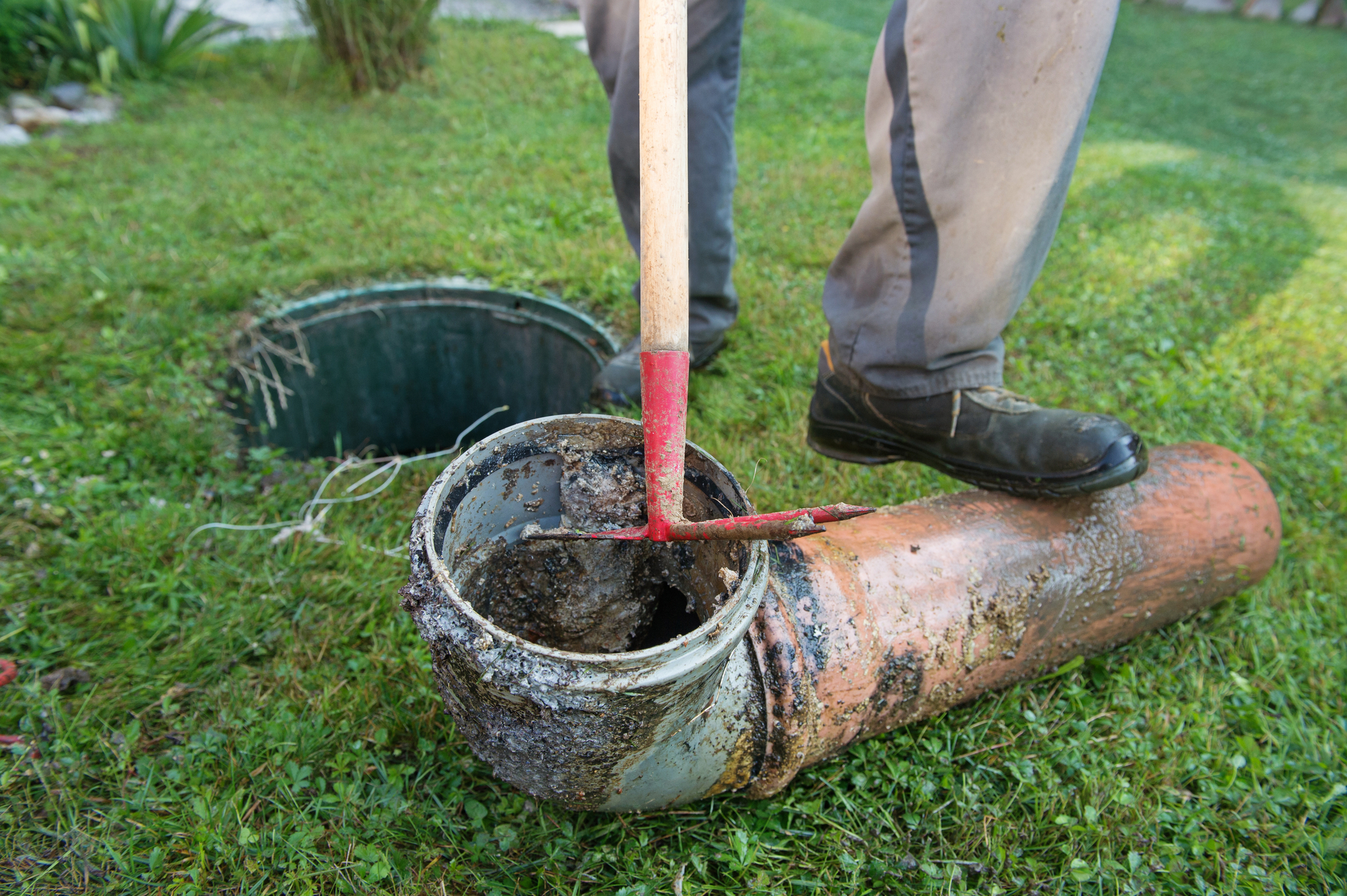
Dealing with clogged drains is one of the most frustrating experiences for homeowners and businesses alike. Whether it’s a kitchen sink, toilet, or shower, a blocked drain can bring your daily routines and business operations to a halt. While DIY unclogging techniques like using a plunger can help, they may not be sufficient for stubborn clogs. This is where a cable drain machine comes in.
What Is a Cable Drain Machine?
A cable drain machine, also known as a drain snake or auger, is a plumbing tool used to remove blockages from drains. It consists of a long, flexible cable with a sharp, corkscrew-like end that is inserted into the drain. The cable rotates, allowing it to break up and clear the clog. Cable drain machines come in different sizes, with some models powered by electricity, air pressure, or hand-crank.
Using a cable drain machine requires skill and finesse to avoid damaging the drain or the plumbing system and to ensure the clog is removed effectively. Here are some tips for operating a cable drain machine like a pro:
1. Wear Protective Gear
Before you begin operating the cable drain machine, make sure you’re wearing the appropriate protective gear to prevent injury. This includes safety goggles, gloves, and a face mask, especially if you’re dealing with a foul odor. Also, avoid wearing loose clothing that could get caught in the machine.
2. Choose the Right Cable and Attachments
The cable and attachments you choose should be appropriate for the type of blockage you’re dealing with and the size of the drain. Using the wrong size or type of cable can damage the drain or fail to clear the blockage effectively.
3. Insert the Cable Carefully
Insert the cable slowly and carefully to avoid damaging the drain or getting the cable stuck. Make sure the cable is straight and doesn’t coil inside the drain, which can cause the cable to break or damage the plumbing.
4. Rotate the Cable Smoothly
Once the cable is inserted, rotate it smoothly and steadily, avoiding sudden movements or jerks, which can damage the cable or drain. Use both hands to control the rotation, keeping one hand on the crank and the other on the cable.
5. Use the Right Amount of Pressure
The amount of pressure you apply to the cable depends on the type of blockage and the drain’s condition. Too much pressure can damage the plumbing or push the blockage further down the drain. Too little pressure may not be sufficient to clear the blockage effectively.
6. Determine When the Clog Is Cleared
As you operate the cable drain machine, pay attention to signs that indicate the clog has been cleared. These include increased flow rate, the sound of gurgling, or decreased resistance on the cable. Be patient and persistent, but avoid overdoing it, as this can cause more harm than good.
In Conclusion
A cable drain machine is an essential tool in a plumber’s arsenal. However, operating it requires skill, experience, and caution to ensure that clogs are cleared effectively, and plumbing systems are not damaged. Remember to wear protective gear, choose the right cable and attachments, insert the cable carefully, rotate it smoothly, use the right amount of pressure, and determine when the clog is cleared. If you’re not comfortable or experienced working with a cable drain machine, it’s best to call a professional plumber to handle the job.
At Ace Plumbing Repair, we have a team of experienced and certified plumbers ready to tackle all your drainage problems with state-of-the-art equipment and techniques. Contact us today on (844) 711-1590 or visit our website at aceplumbingrepair.com to learn more about our services and schedule an appointment.
 Call Now