
Hydronic heating systems have become increasingly popular in recent times due to their superior performance, energy efficiency, and cost-savings. As a plumbing professional, it is important that your hydronic heating system installation, repair or maintenance job is executed with precision, and this is where logic, technique, and proven components comes into play. In this article, we will discuss in detail how these three elements are crucial in ensuring hydronic heating system performance and longevity.
Logic
Hydronic heating systems are complex, and it is important to have a clear understanding of the system’s components, installation requirements, and its purpose before taking on a project. A clear understanding of these factors is critical in selecting the right equipment and components for your project, as well as ensuring the system operates efficiently. A basic understanding of the power and space requirements of the hydronic system is necessary to ensure that it is functioning correctly.
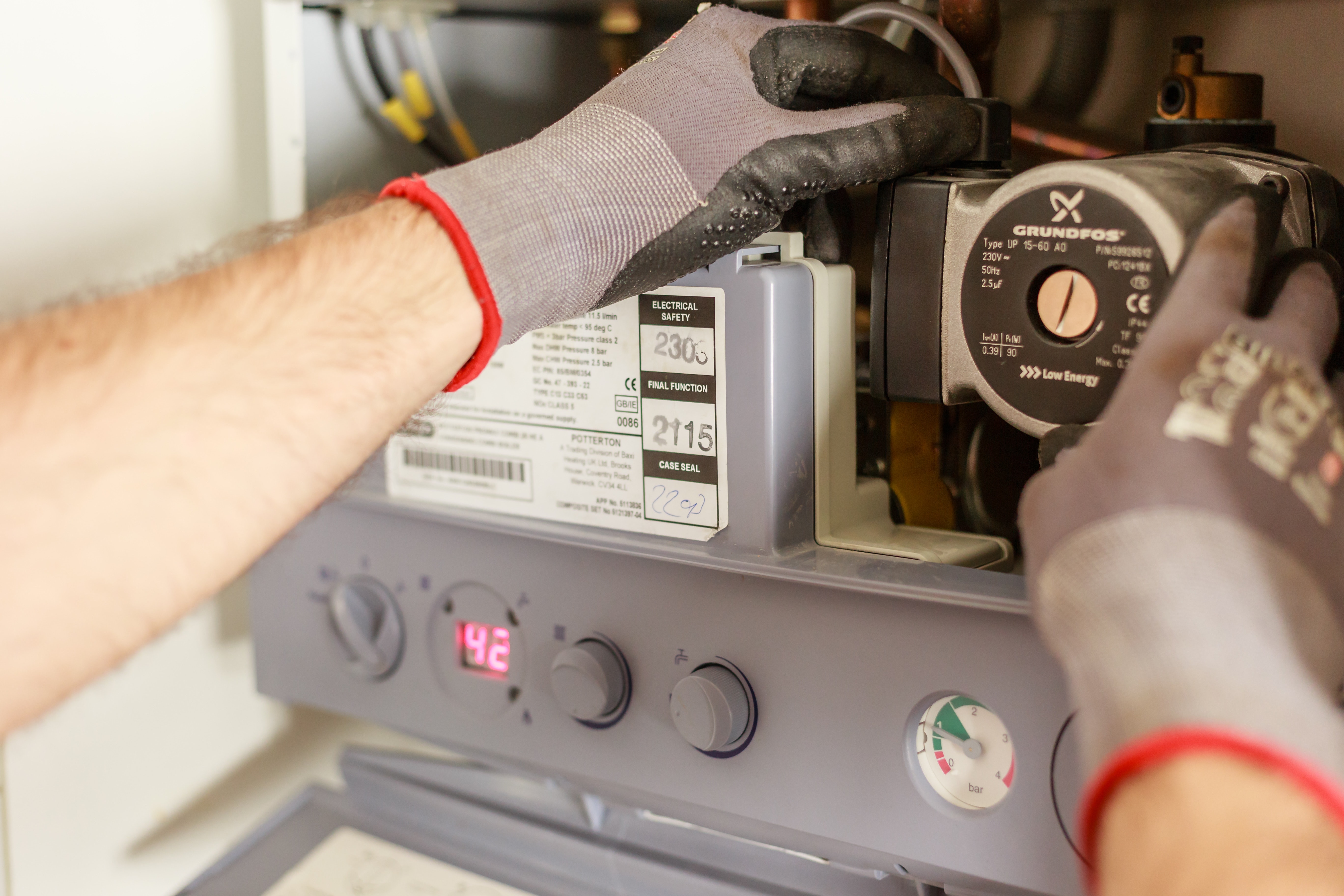
When you take up a hydronic heating system installation or repair job, you will need to consider the insulation and the piping system among the many other details that go into making hydronic heating system into a well-functioning and reliable one.
Technique
As with any other plumbing system, hydronic heating systems require skilled craftsmanship and careful attention to detail during installation, maintenance, and repair. A professional plumber must be competent in the installation of specialized equipment, such as boilers, radiant floor heating, and pumps. Careful attention to detail during installation is necessary to avoid any leaks or other failures that could cause damage to the system.
Another important consideration when it comes to hydronic heating systems is getting the right PEX or copper pipes. The right pipes can ensure that your heating system works perfectly well. It is essential to pay attention to details like the pipe thickness and connections to ensure that the system runs smoothly without leaks.
It is important to note that when it comes to technique or craftsmanship, skills, and experience play crucial roles. Most people may think that plumbing is a straightforward job, but every task requires a certain level of expertise. Therefore, plumbers must have proper training and experience to execute hydronic heating system installation, repair or maintenance effectively.
Proven Components
The performance of a hydronic heating system is largely dependent on the components used in its installation and maintenance. Choosing high-quality equipment and components that are tested and approved for use is critical to the system’s overall performance and longevity. For instance, poor-quality pumps or boilers can be expensive in the long term, as they are prone to break down more frequently or consume more energy than their high-quality counterparts. In addition, installing high-quality air handlers like duct or coil systems can also have a profound impact on the overall functioning of the hydronic heating system.
Additionally, the heating system’s insulation material must be chosen carefully to ensure that the heat is retained, and energy is not wasted. Choosing the right components will ensure the system’s reliability, energy efficiency, and longevity, ultimately resulting in cost savings for the homeowner.
In conclusion, hydronic heating systems have become a popular choice for homeowners looking for an energy-efficient heating option that is both cost-effective and eco-friendly. However, to ensure these systems function optimally, it is important to engage a qualified and experienced plumber and pay attention to the three critical elements of logic, technique, and proven components. This approach will help to ensure that your hydronic heating system performs optimally and saves you money in the long run.
If you need any help with the installation or repair of a hydronic heating system in your home or business, please do not hesitate to contact aceplumbingrepair.com or by giving us a call at (844) 711-1590 for quick assistance.
 Call Now