
As we enter a new year, it’s important to take a look at the current trends in the plumbing industry.Today, we will be discussing the EPA’s proposed first-ever national drinking water standard and its potential impact on homeowners.
The United States Environmental Protection Agency (EPA) recently proposed a new regulation called the National Primary Drinking Water Regulation. It is the first-ever national drinking water standard and aims to protect public health by reducing the levels of 10 different contaminants in drinking water.
These contaminants include arsenic, uranium, radium, and lead that can be found in private wells and public water systems. Private wells account for 15% of Americans’ drinking water sources, and these wells are not regulated by the federal Safe Drinking Water Act.
Although the new EPA proposal may seem shocking to some, it is important to note that different states already have their own guidelines regarding drinking water. For example, California recently updated its Lead and Copper standard to 15 parts per billion, which is the strictest in the United States.
The new drinking water standard will have significant implications for both private well owners and public water systems. homeowners should be aware of how this proposal will affect them and take necessary precautions to ensure the safety of their drinking water.
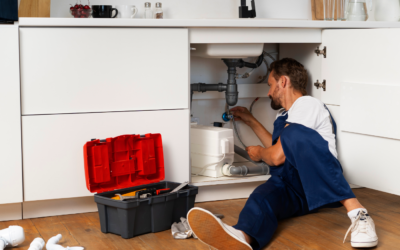
One way to ensure clean drinking water is to call a local licensed plumber to install a water filtration system. There are different types of water filtration systems available on the market, including reverse osmosis, activated carbon, and ultraviolet disinfection. Each of these filtration systems has its own set of advantages and disadvantages, and a licensed plumber can help you choose the best option for your specific needs.
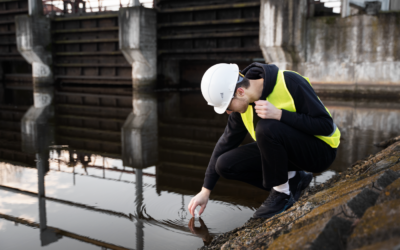
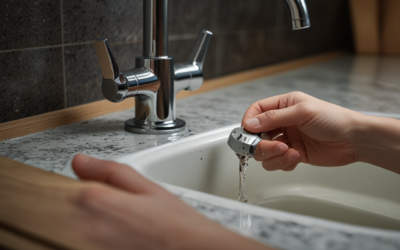
In addition to installing a filtration system, there are a few steps homeowners can take to improve the quality of their drinking water. First, test your water quality regularly. You can purchase an at-home water test kit or hire a professional to do it for you. Second, ensure your pipes and plumbing fixtures are in good condition. Corroded pipes can greatly affect the quality of your drinking water by introducing harmful minerals, bacteria, and heavy metals.
Another popular trend in the plumbing industry this year is eco-friendly plumbing. Green plumbing involves incorporating sustainable and energy-efficient practices into plumbing systems. This can include installing low-flow toilets and showerheads, rainwater harvesting systems, and tankless water heaters.
Low-flow toilets can save homeowners up to 20% on their water bills by reducing the amount of water used per flush. Rainwater harvesting systems collect rainwater and store it for later use in irrigation and other non-potable applications. Tankless water heaters heat water on demand, which can save up to 30% on energy costs compared to traditional tank-style water heaters.
Finally, it is important to note the impact of COVID-19 on plumbing systems. With more people staying at home, plumbing systems are under more strain than ever before. Homeowners need to be aware of how their daily habits can affect their plumbing system.
For example, flushing non-flushable wipes and paper towels can lead to clogs and blockages in pipes. Overuse of disposals can also lead to plumbing problems. It is important to dispose of food scraps and grease properly instead of relying on disposals. Making small changes to daily habits can greatly improve the longevity and performance of plumbing systems.
In conclusion, the EPA’s proposed first-ever national drinking water standard is a positive step in ensuring safe and clean drinking water for all Americans. Homeowners should be aware of how this proposal will affect them, and take necessary precautions to ensure the safety of their drinking water. In addition, eco-friendly plumbing and COVID-19 precautions are trends that homeowners should also be aware of this year. By taking small steps towards a more sustainable and safe plumbing system, homeowners can protect their health and the environment. Don’t forget to contact a licensed plumber for advice and installation of new plumbing fixtures.
 Call Now