
In today’s modern world, the need for hot water is paramount. From taking a shower to washing dishes, hot water is an essential part of our daily lives. As plumbing experts, we understand the need for a reliable and efficient water heating system. That is why we often get the question: Should I use a tank or tankless water heater? The answer is, both have their advantages and disadvantages, and that’s why in this article, we will discuss the benefits of using tankless and tank water heaters together.
The traditional tank water heaters are the most common hot water heating systems. They store and heat a specific amount of water in a cylindrical tank. Once the hot water in the tank is used up, you will have to wait for it to heat up again. On the other hand, tankless water heaters heat the water instantaneously as it flows through the system.
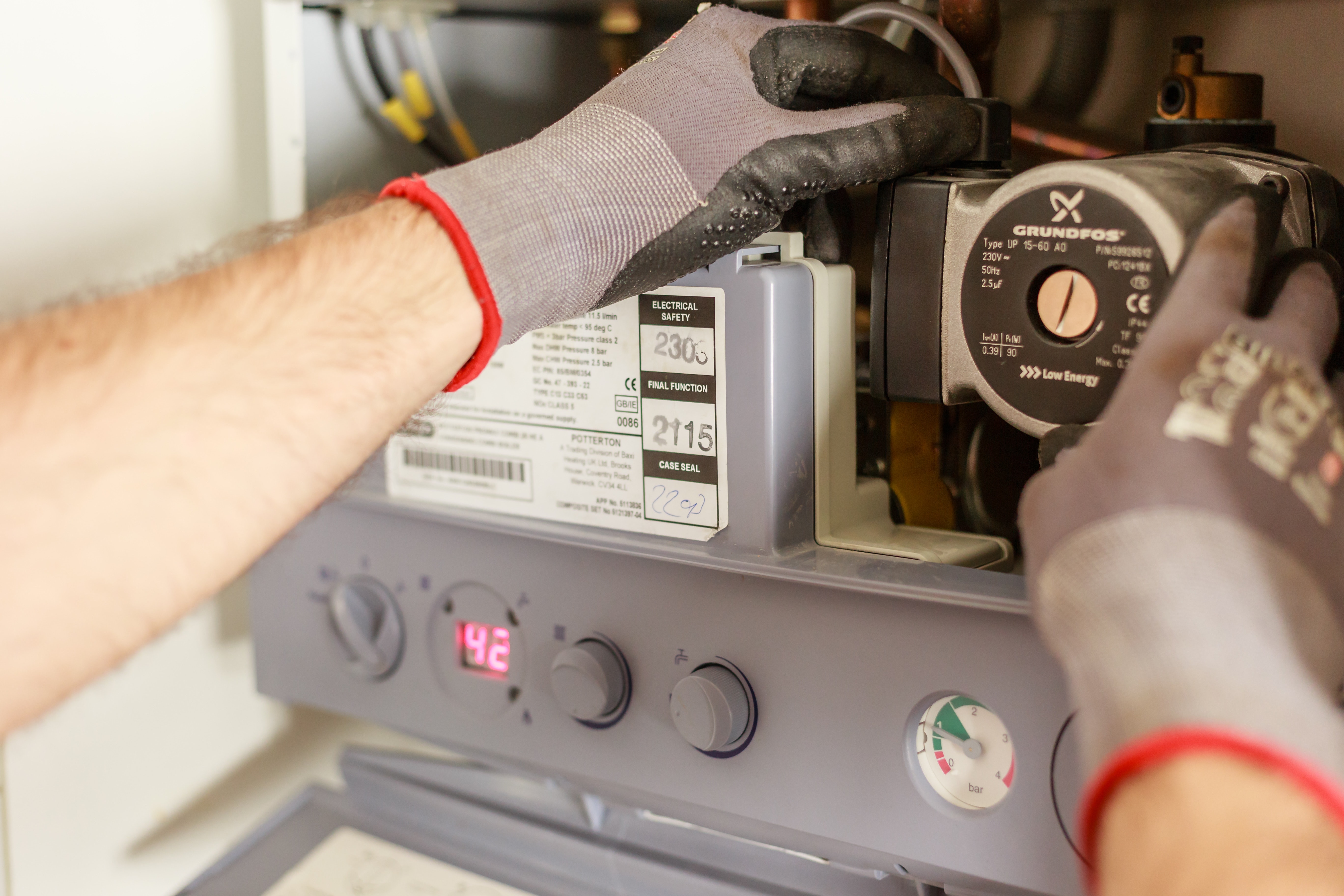
So, what are the benefits of using both?
A tankless system provides hot water instantaneously. However, suppose your hot water demand exceeds its heating capacity, such as running multiple hot water appliances simultaneously. In that case, it will cause the temperature of the water to drop significantly, which is not desirable. One way to avoid this issue is to install a tankless water heater and a traditional tank water heater in parallel.
The tanked water heater will act as a reservoir for stored hot water, and the tankless will supply the instant-on-demand hot water. The water from the tanked water heater will always be hot since it’s already been heated and stored. This way, you will always have hot water at your disposal, without worrying about a sudden drop in temperature.
Another significant advantage of this setup is the cost-saving benefit. A tankless system is efficient and can significantly reduce energy consumption. On the other hand, a tank water heater stores hot water, which means that it consumes energy even when you are not using hot water.
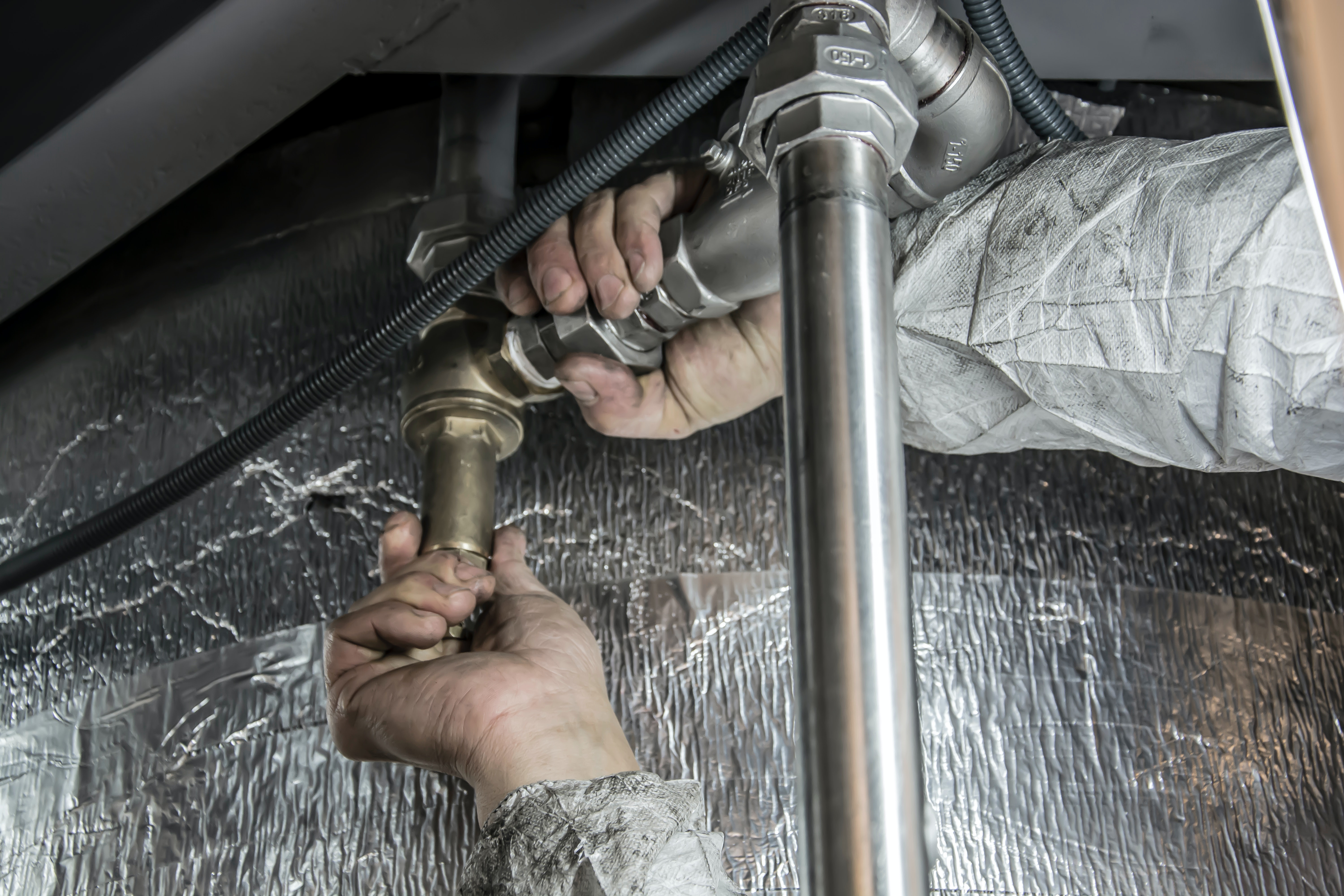
By using both systems in parallel, the tank water heater can take care of the everyday needs of hot water, while the tankless system will be activated when the demand for hot water is higher than anticipated. This way, energy consumption will be reduced, and you will save money on your monthly energy costs.
The combination of these two systems also provides redundancy in case of a system failure. With the tankless system, there is no hot water storage. If the system fails, you will not have any hot water. In contrast, with a tank water heater, there is always stored hot water you can utilize. Therefore, installing both systems together ensures that you will always have hot water in your home.
Finally, installing both systems will also increase the lifespan of your hot water heating system. Since both systems are working together, the workload for each is reduced, and it is less likely for either system to fail. With less workload, the components in each system will wear out less, increasing their lifespan.
In conclusion, using a combination of tankless and tank water heaters is a cost-efficient, energy-saving, and reliable way to have hot water in your home. The tankless system provides immediate hot water needs while the tank system favors everyday hot water needs, providing hot water storage and redundancy. If you’re ready to upgrade your hot water heating system, contact our plumbing experts for more information. Remember always to hire your local plumbing professionals for your plumbing needs. Contact us at Ace Plumbing Repair for all your plumbing needs, call us on (844) 711-1590, or check out our website aceplumbingrepair.com.
 Call Now